






05.03.2026.
11:48
China and Russia turn their backs on Iran?
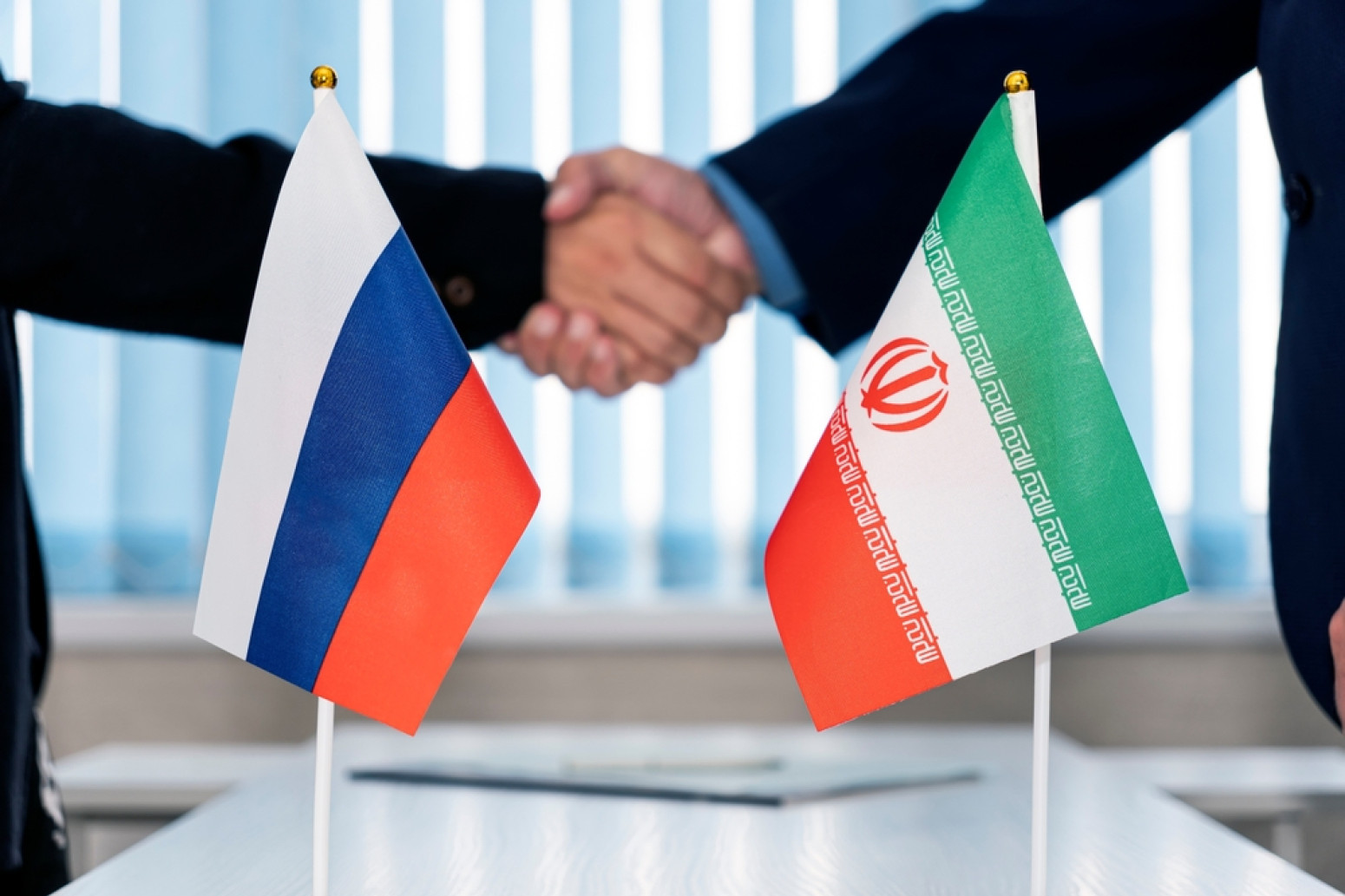
China and Russia, the two most powerful diplomatic partners of Tehran, condemned the U.S.–Israeli attack on Iran, but despite their strong rhetoric neither side has shown readiness to intervene militarily in support of Iran.



Russia and China, Tehran’s two most powerful diplomatic partners, have called the U.S.–Israeli war against Iran a clear violation of international law.
Russian President Vladimir Putin described the killing of Iran’s Supreme Leader Ali Khamenei as “a cynical violation of all norms of human morality,” while Chinese Foreign Minister Wang Yi told his Israeli counterpart Gideon Saar that “problems cannot truly be solved by force” and urged all parties to avoid further escalation.
Russia and China jointly requested an urgent meeting of the United Nations Security Council.
Moscow and Beijing have signed bilateral agreements and expanded cooperation through joint naval exercises, projecting a united front against what they describe as a U.S.-led international order that has long sought to isolate them.
Yet, despite the strong rhetoric, neither country has shown readiness to intervene militarily in support of Iran.
Russia and Iran – Strategic partners, not military allies
In January 2025, Russia and Iran signed a comprehensive strategic partnership agreement covering trade, military cooperation, science, culture, and education. The agreement deepened coordination in defense and intelligence services and supported projects such as transport corridors connecting Russia to the Gulf via Iran.
The two countries conducted joint military exercises in the Indian Ocean at the end of February, just one week before the U.S. and Israel attacked Iran.
However, when the war began, Moscow was not obligated to respond because the agreement contains no mutual defense clause, meaning no formal military alliance exists.
Andrei Kortunov, former Director General of the Russian International Affairs Council and member of the Valdai Discussion Club, told Al Jazeera via video link from Moscow that Russia’s 2024 mutual defense agreement with North Korea is an example of a “binding” military assistance pact.
Under that agreement, he explained, Russia would be obligated to join North Korea “in any conflict that country might engage in,” whereas the agreement with Iran “only states that both sides have agreed to refrain from any hostile actions if the other party becomes involved in a conflict.”
Kortunov said it is unlikely that Russia will take direct military action in support of Iran, as the risks would be too high.
He added that Moscow appears to be “prioritizing U.S. mediation in the conflict with Ukraine” and noted that Russia has previously taken a similar approach by criticizing U.S. actions in places like Venezuela following the American military strike and the arrest of its president Nicolás Maduro in January.
Although the agreement clearly states that Russia is not obligated to intervene, Kortunov said that some of his contacts in Tehran have expressed “a certain degree of frustration.” According to him, there was an “expectation that Russia should somehow do more than just take diplomatic steps at the United Nations Security Council or other multilateral forums.”
China-Iran relations and their limitations
China and Iran signed a 25-year cooperation agreement in 2021 aimed at expanding ties in areas such as energy, while also including Iran in China’s Belt and Road Initiative.
Jodie Wen, a postdoctoral researcher at the Center for International Security and Strategy (CISS) at Tsinghua University in China, who has frequently traveled to Iran, told Al Jazeera that the relationship in Beijing is considered pragmatic and stable.
“On the political side, we have regular exchanges,” she said by phone from Beijing, adding: “On the economic side, cooperation is very deep; many companies have investments in Iran.”
However, she emphasized that Beijing has long set clear limits on the partnership, particularly regarding military engagement.
“The Chinese government always adheres to the principle of non-interference in the internal affairs of other countries. I don’t think the Chinese government would send weapons to Iran,” she said.
0 Komentari
Možda vas zanima

Objavljeni rezultati izbora: Evo kako je Srbija glasala FOTO/VIDEO
Vanredni parlamentarni izbori održani su 25 oktobra u Srbiji. Lista "Aleksandar Vučić – Ujedinjena Srbija" izgubila je na izborima, dok je pobedu odnela "Studentska lista".
22:55
25.10.2026.
1 d

Vučić: "Pobedila je politika Nataše Kandić"; "Imaćemo oko 105 mandata, 'Studentska lista' 135 do 140" VIDEO
Nosilac liste "Aleksandar Vučić - Ujedinjena Srbija" Aleksandar Vučić izjavio je večeras da je ta lista izgubila na današnjim vanrednim parlamentarnim izborima i da je pobedila "Studentska lista", a da će u parlament ući još i Savez vojvođanskih Mađara.
21:40
25.10.2026.
1 d

Bez 35 evra nema ulaska u Crnu Goru: Od 1. novembra na snagu stupa nova uredba u komšiluku
Od 1. novembra ruskim građanima će biti potrebna viza za ulazak u Crnu Goru.
19:10
26.10.2026.
23 h

Najnoviji podaci o rezultatima izbora u Srbiji
Prema projekcijama IPSOS-a i Centra za slobodne izbore i demokratiju (Cesid), na osnovu 75 odsto obrađenog uzorka, na parlamentarnim izborima "Studentska lista" osvojila je 52,4 odsto glasova, a lista "Aleksandar Vučić - Ujedinjena Srbija" 39,2 odsto glasova.
23:34
25.10.2026.
1 d

Opet se oglasio RIK – najnoviji podaci o tome kako je Srbija glasala
Republička izborna komisija (RIK) objavila je rezultate parlamentarnih izbora na osnovu 8.077 obrađenih biračkih mesta po kojima je Studentska lista dobila 2.211.400 glasova, odnosno 52,54 odsto.
8:16
26.10.2026.
1 d












Komentari 0
Pogledaj komentare Pošalji komentar