






17.03.2026.
7:35
March Pogrom – Anniversary of the terror and persecution of Serbs in Kosovo and Metohija PHOTO
22 years ago, two days of violence by Albanians against Serbs began in Kosovo and Metohija. During the unrest, known as the March Pogrom, at least 19 people were killed and around a thousand were injured.



Around 4,000 Serbs were expelled, 800 Serbian homes were destroyed, and 35 religious sites were set on fire.
Just a few years after the NATO bombing and the 1999 pogrom, a new pogrom against Serbs in Kosovo and Metohija took place. The trigger for the two days of violence by Albanians was the drowning of three Albanian boys in the Ibar River, which Albanian media, citing incendiary statements from local politicians, blamed on Serbs.
According to the Albanian version of events, the boys drowned on March 16 while fleeing from people from the Serbian village of Zupče, who allegedly set dogs on them. This claim was made by Halit Barani, head of the local branch of the Kosovo Committee for the Protection of Human Rights and Freedoms, describing it as an “attack by Serbian bandits.”
The anger of Albanians could not be contained even by 19,000 KFOR troops.
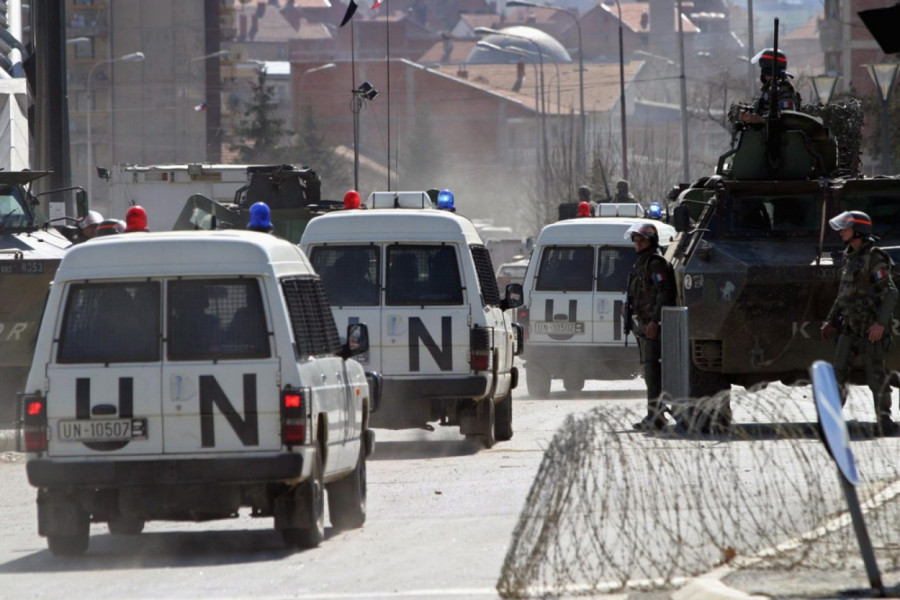
From early morning on March 17, attacks against Serbs began across Kosovo and Metohija – in Kosovska Mitrovica, Lipljan, Obilić, Zubin Potok, Laplje Selo, Čaglavica, and elsewhere. In addition to numerous Serbian homes, Serbian churches and monasteries were also destroyed and set on fire.
During violent attempts by Albanians from South Mitrovica to cross the main bridge over the Ibar River and confront Serbs, 36-year-old Jana Tučev was killed on the terrace of her home, and 63-year-old Borivoje Spasojević was killed near his apartment.
Later that same evening, UNMIK denied claims that the Albanian boys had died while fleeing from Serbs. According to the UN mission, the violence in Kosovo had been premeditated, and the commander of NATO’s Southern Wing characterized it as ethnic cleansing.
A total of 954 people were injured, including 61 KFOR troops and 65 UNMIK police officers. Around 150 Serbs were seriously injured in their homes. Additionally, 90 Ashkali houses and two Albanian houses were set on fire.
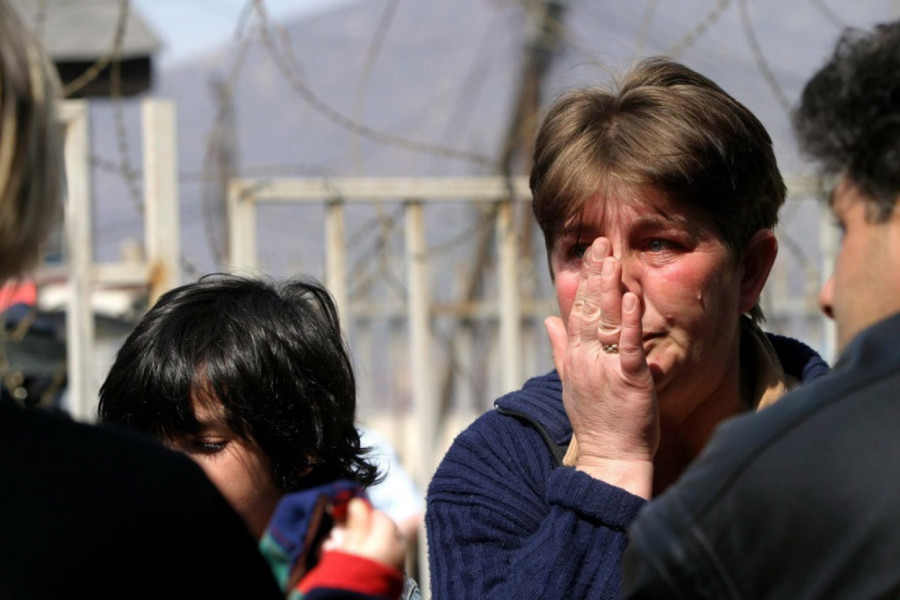
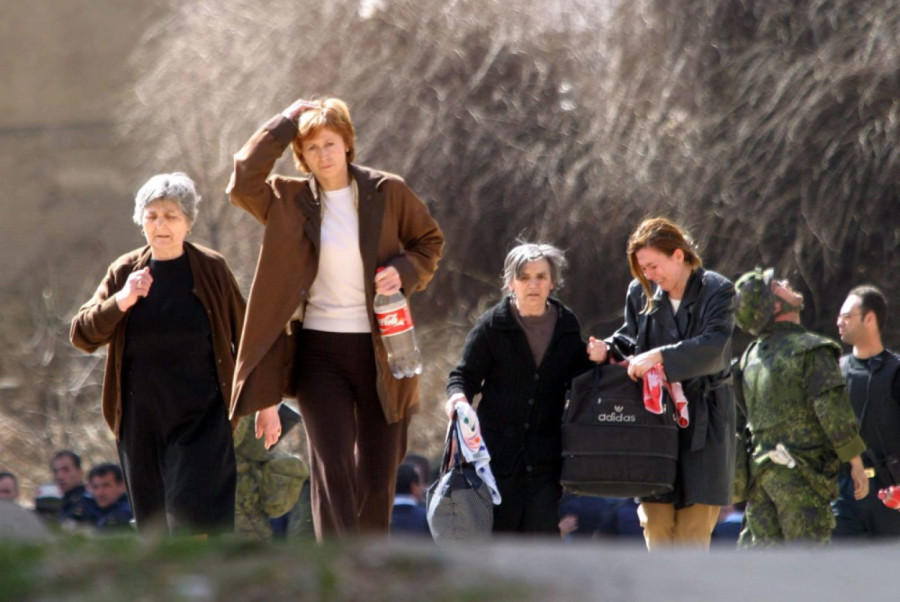
More than 4,000 Serbs were expelled. Most of them, as with those expelled in 1999, never returned to their homes. Six towns and nine villages were ethnically cleansed.
Over 800 properties, including 35 churches and monasteries, were severely damaged or completely destroyed.
According to UNMIK estimates, around 60,000 Albanians participated in the unrest across 33 locations. Seventy-two vehicles belonging to international forces were set on fire.
The roughly sixty hours of “high tension” in Kosovo and Metohija ended after NATO sent reinforcements, led by the commander of the alliance’s Southern Wing, Admiral Gregory Johnson.
According to UNMIK police reports, in clashes between international police officers and their Kosovo colleagues, several officers were injured, though the motives behind these confrontations—if not simply the result of general chaos—remain unclear.
At the same time, a series of political developments was set in motion, including reports by UN Secretary-General’s Special Envoy Kai Eide and observations by Western officials that Kosovo’s unresolved status was one of the key drivers of the unrest—an argument later used, four years afterward, to justify Kosovo’s unilateral declaration of independence.
The pogrom was condemned at the time by both the UN Security Council and the European Union. No new details of investigations have emerged, and the organizers have not been identified.
0 Komentari
Možda vas zanima

Rat – dan 1.867: Masakr u Kramatorsku – preko 30 mrtvih; Ukrajinci se osvetili Rusima FOTO/VIDEO
Rat u Ukrajini – 1.687. dan. U ruskom napadu na stajalište javnog prevoza i dva autobusa u Kramatorsku, u Donjeckoj oblasti, poginulo je 33 ljudi, dok je 18 povređeno, saopštilo je regionalno tužilaštvo Ukrajine. Ukrajinci su napali rafineriju nafte u Omsku.
23:55
8.10.2026.
1 d

Krah Đokovića na startu Šangaja
Novak Đoković poražen je od Huberta Hurkača sa 2-0 u setovima u 2. kolu Mastersa u Šangaju.
13:54
9.10.2026.
1 d

Nemačka odbila Kineze: "Ne damo"
Nemačka savezna vlada zabranila je prodaju 80 odsto udela u hamburškoj logističkoj kompaniji "Cipel" kineskoj državnoj brodarskoj kompaniji "Kosko", navodeći kao razlog rizike po nacionalnu bezbednost.
19:31
7.10.2026.
2 d

Rat – dan 1.686: Žestok ruski napad; Veliki broj mrtvih – među njima i deca; Vanredne mere u Kijevu FOTO/VIDEO
Rat u Ukrajini – 1.686. dan. U kombinovanim ruskim napadima na Ukrajinu danas je ubijeno 25 ljudi, a njih stotinu je ranjeno, izjavio je ukrajinski predsednik Volodimir Zelenski. 19 ljudi, od čega petoro dece, ubijeno je u raketnom napadu u Prilucima.
23:54
7.10.2026.
2 d

Fenomenalna Zvezda – Dubai nemoćan!; Navaro: "Dobra odbrana"; Paskval ljut
Košarkaši Crvene zvezde savladali su Dubai sa 77:58 u četvrtom kolu Evrolige.
21:07
8.10.2026.
1 d












Komentari 0
Pogledaj komentare Pošalji komentar