






10.02.2026.
10:08
An unprecedented plan marks a dramatic shift; Will Article 7 be activated?
The European Union is considering an unprecedented plan that would allow Ukraine partial membership in the bloc as early as next year, according to ten officials and diplomats cited by Politico.



As the Brussels-based outlet assesses, this idea—still in its early stages—represents a dramatic shift from the EU’s previous enlargement policy.
The plan would allow Ukraine to take a seat at the table in Brussels before implementing all the reforms required for full membership, as European officials say Kyiv’s candidacy is urgent.
“Multi-speed Europe”
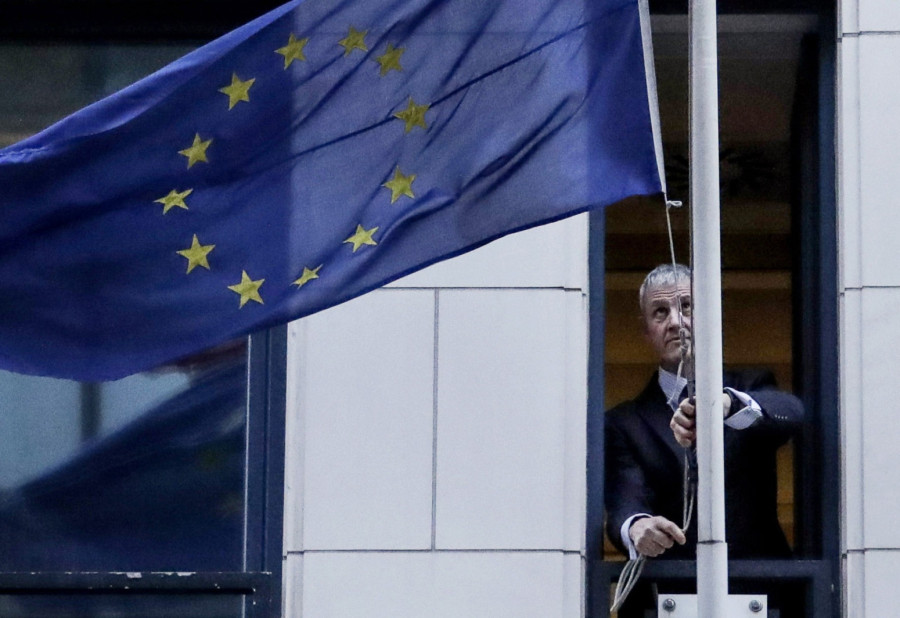
As Politico notes, and Index reports, this idea is reminiscent of French President Emmanuel Macron’s “multi-speed Europe” draft, which he has presented multiple times.
The latest version is informally called “reverse enlargement,” according to well-informed sources, because it actually brings countries into the bloc at the start of the process of meeting the criteria, rather than at the end.
EU officials say the idea is attractive because it would give Kyiv time to complete reforms of its democratic institutions, judiciary, and political system, while also reducing the likelihood that it would abandon hopes of joining the bloc and turn away from the West.
However, the path is not without obstacles, the biggest being Hungarian Prime Minister Viktor Orbán, who opposes Ukraine’s membership.
Based on conversations with five diplomats from different countries, three EU officials, and two Ukrainian officials—who were granted anonymity to speak about confidential negotiations—Politico identified five steps in this plan:
-
Preparing Ukraine
The EU has already provided Ukraine with details on three of the six negotiation clusters, and at an informal meeting of European affairs ministers in Cyprus in March, the EU intends to give the Ukrainian delegation details on the additional clusters so they can begin working on those as well.
-
Creating “light” membership
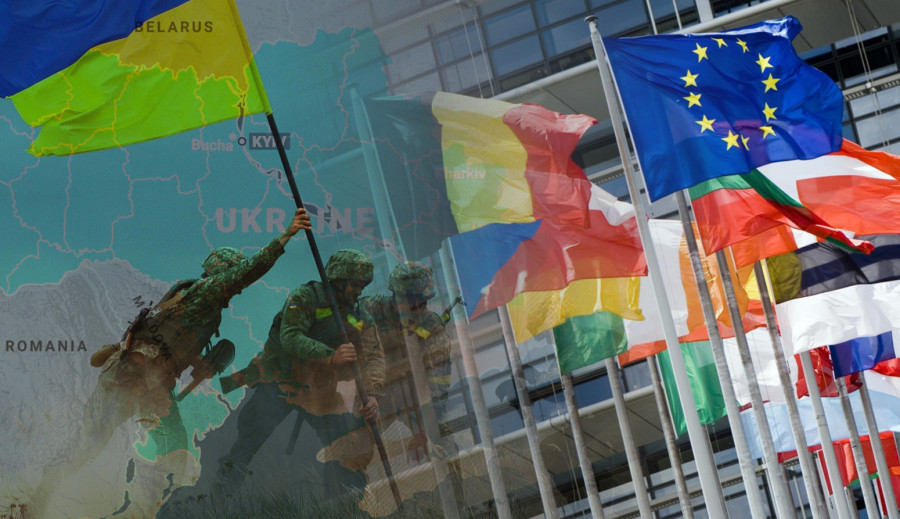
EU member state governments met in Brussels on Friday to question Commission President Ursula von der Leyen about efforts to break the deadlock on admitting new members. According to diplomats who took part in the discussion, she presented various options and models under consideration by the EU, including the idea of “reverse enlargement.”
“It would be a kind of recalibration of the process—you join first, and then gradually take on rights and obligations,” explained an EU official familiar with the discussion. “So, it would involve rethinking how we conduct accession, based on the very different situation we face now.”
However, Germany is particularly concerned, as it is wary of creating multiple tiers of membership, fearing that countries admitted before they are ready might be promised something Brussels cannot deliver. Still, there is hope that Berlin could be persuaded if key players like Paris, Rome, and Warsaw back the plan.
-
The biggest challenge: bypassing Orbán
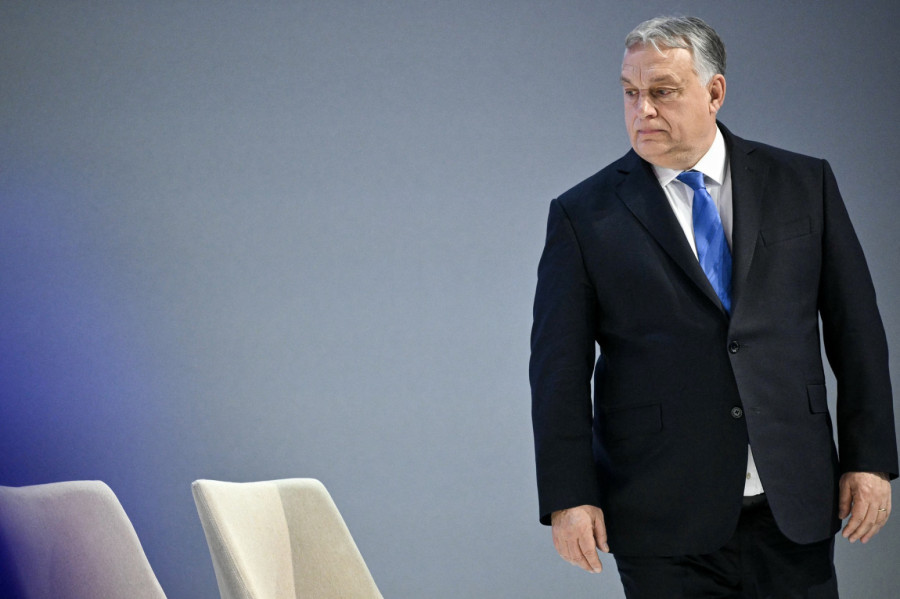
The biggest challenge for Ukraine’s membership is obtaining the consent of all 27 member states, as every enlargement decision requires unanimity. Orbán, the EU’s closest ally of Putin, is firmly opposed. However, the Commission and EU capitals are closely monitoring the Hungarian elections in April and exploring ways to bypass Orbán’s veto.
Orbán himself is facing a tight race and is trailing in the polls, using the issue of Ukraine’s membership as a campaign tool.
-
The ace up the sleeve – Trump
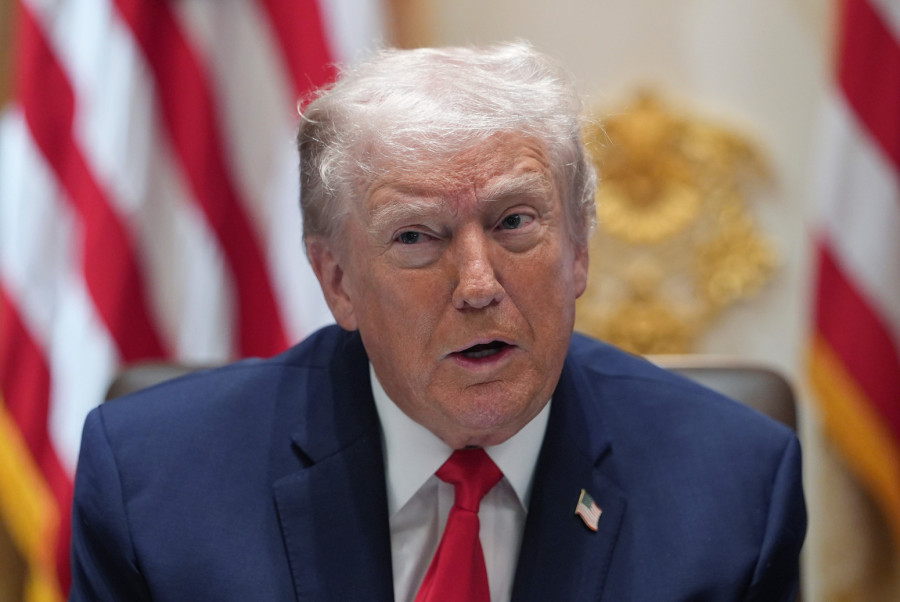
Although Orbán’s opposition seems unyielding, European officials believe there is one man who could make him reconsider: Donald Trump.
The U.S. president, who is close to Orbán and supported him ahead of the Hungarian elections, has openly expressed a desire to mediate a peace agreement between Ukraine and Russia. Since Ukraine’s accession to the EU by 2027 is included in the draft proposal for ending the war, there is hope that Trump could call Budapest to help reach an agreement.
-
The last option
If Trump’s negotiating skills fail, the EU has one more card—reactivating Article 7 of the EU Treaty against Hungary, according to two diplomats.
This article is applied when a country is considered at risk of violating the bloc’s fundamental values, and it is the most serious political sanction the EU can impose, as it suspends a member state’s rights, including its vote on admitting new countries.
0 Komentari
Možda vas zanima

Menja se način na koji merimo vreme: Posle 50 godina doneta istorijska odluka
Odluka je doneta glasanjem na 28. Generalnoj konferenciji za tegove i mere, a do stupanja na snagu novih pravila neće biti dodavanja novih prestupnih sekundi, što u praksi znači da se njihova primena završava odmah.
17:46
15.10.2026.
2 d

Samouništenje Zvezde na startu Lige konferencije: "UEFA ovo mora da istraži" VIDEO
Fudbaleri Crvene zvezde porazom od Lugana u gostima (3:2) započeli su takmičenje u Ligi konferencije.
22:31
15.10.2026.
2 d

Pravo iz dubine zemlje u radijatore: Sve oči uprte u Batajnicu, počinje potraga za vrelom vodom
Ispod Batajnice očekuje se voda temperature i do 120 stepeni. Geološka istraživanja treba da pokažu da li bi ovaj prirodni izvor toplote mogao da zagreva beogradske domove.
11:10
15.10.2026.
2 d

Zvezda slavi Batlera, Monekea i 4. pobedu u nizu – Pariz pao posle drame!; "Bio sam uznemiren"
Košarkaši Crvene zvezde pobedili su Pariz 90:81 u 6. kolu Evrolige.
23:15
16.10.2026.
1 d

Vatrogasci stigli rekordno brzo: Poznatu beogradsku kafanu zahvatio veliki požar
Po dolasku na teren, ustanovljeno je da vatrena stihija guta krov objekta. Požar je zahvatio površinu od oko 150 kvadratnih metara od ukupno 400 kvadrata krovne konstrukcije, kao i jednu prostoriju u tavanu.
10:05
16.10.2026.
1 d












Komentari 0
Pogledaj komentare Pošalji komentar