






04.03.2026.
7:15
Who is Iran's new Supreme Leader: Son of the slain Khamenei takes the throne; Has access to Swiss bank account
Mojtaba Khamenei (56), the second-oldest son of the slain Ayatollah Ali Khamenei, has been chosen as the new Ayatollah and Supreme Leader of Iran.



The Associated Press (AP) noted that Mojtaba’s selection could prove problematic, as Iran has long criticized hereditary succession and presented itself as a more just alternative.
Sources cited by Time indicate that the late Ali Khamenei opposed his son’s candidacy to avoid accusations of introducing hereditary rule, which, according to many Iranians, would undermine the 1979 revolution that abolished the dynastic system.
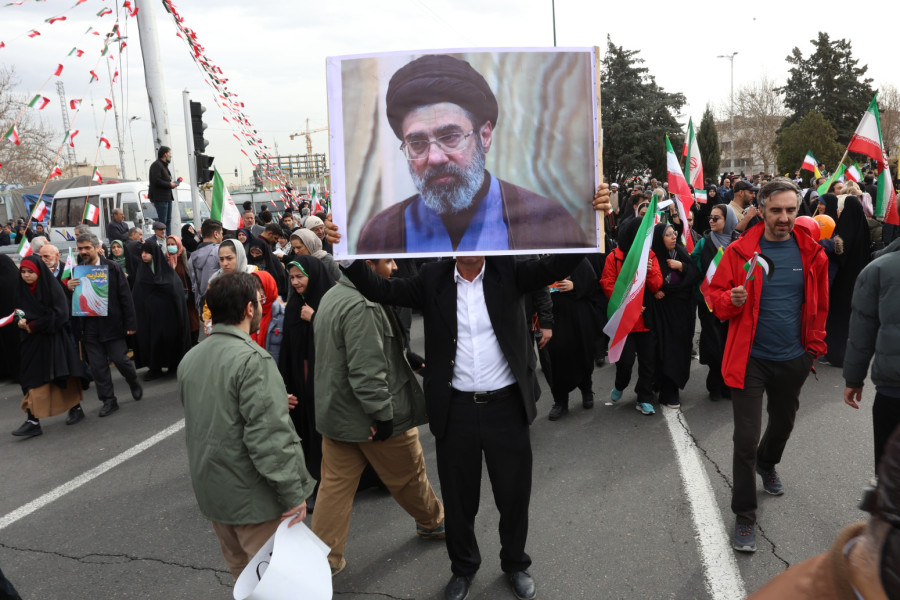
The Washington-based Middle East Institute noted that even with the death of top leaders, regime change is not guaranteed. It stated that Ali Khamenei favored hardline figures to protect the direction of the Islamic Republic of Iran.
Legal and religious obstacles in leadership transfer
Despite reports of his selection, analysts point to constitutional and religious challenges. The Middle East Institute explained that the constitution requires the Iran Leadership Council to appoint a leader with political experience. Mojtaba has never held a formal political position in the regime, which could weaken his legitimacy.
The Shiite Islamic tradition also discourages hereditary succession of the Supreme Leader. The role is not meant to be passed through a bloodline, except for the twelve divinely appointed Imams.
0 Komentari
Možda vas zanima

Tri znaka ulaze u najlepši period života: Pun Mesec u Biku donosi najveće blagoslove
Za tri znaka ovo je trenutak kada se vrata promena otvaraju širom, jer posle čekanja dolazi vreme velikih blagoslova!
18:30
18.10.2026.
8 h

Vatrogasci stigli rekordno brzo: Poznatu beogradsku kafanu zahvatio veliki požar
Po dolasku na teren, ustanovljeno je da vatrena stihija guta krov objekta. Požar je zahvatio površinu od oko 150 kvadratnih metara od ukupno 400 kvadrata krovne konstrukcije, kao i jednu prostoriju u tavanu.
10:05
16.10.2026.
2 d

Zvezda slavi Batlera, Monekea i 4. pobedu u nizu – Pariz pao posle drame!; "Bio sam uznemiren"
Košarkaši Crvene zvezde pobedili su Pariz 90:81 u 6. kolu Evrolige.
23:15
16.10.2026.
2 d

Dnevni horoskop za 17. oktobar: Škorpijama se smeši nešto novo; Ribe, ovo ste čekali
Saznajte šta svaki horoskopski znak očekuje danas.
8:12
17.10.2026.
1 d

Rat – dan 1.696: Tramp zamrznuo sankcije Moskvi; Rusi žestoko napali Herson FOTO/VIDEO
Rat u Ukrajini – 1.696. dan. Predsednik SAD Donald Tramp zamrznuo je novi paket sankcija protiv ruske ekonomije. Izaslanik ruskog predsednika Kiril Dmitrijev rekao je da je to važan i istorijski trenutak.
23:55
17.10.2026.
1 d












Komentari 0
Pogledaj komentare Pošalji komentar