






12.02.2026.
9:49
Russian soldiers furious over Putin's ban: "How exactly do you expect us to win?"
Russian soldiers and military bloggers are protesting against the Kremlin after it restricted access to the messaging app Telegram, the British Telegraph reports.



Widespread disruptions to the app were reported on Monday and Tuesday after Roskomnadzor, Russia’s state media regulator, announced it would impose the strictest restrictions yet on Telegram’s operations.
According to the authorities, the move is intended to protect Russian citizens from “criminal and terrorist” content, in Moscow’s latest crackdown on the free internet.
Roskomnadzor, which has long advocated for a “sovereign internet” free from Western influence, has introduced new restrictions on Telegram and WhatsApp at least three times in the past six months, blocking audio and video calls on both platforms in August.
At least three-quarters of Russians over the age of 13 regularly use the app, including the military, Kremlin officials, state media, and government agencies—including Roskomnadzor itself.
Frontline units in Ukraine are known to use the app to communicate strike targets and track incoming drones.
After Elon Musk shut down Starlink, the latest move sparked outrage, particularly among Russia’s vast ecosystem of hawkish military bloggers. These pro-war commentators provide constant updates on the conflict via Telegram but have grown increasingly critical of the state—making them problematic for the authorities.
A pillar – military bloggers
Military bloggers are a key pillar of the war’s information sphere for ordinary Russians, operating outside the tightly controlled narratives of state media.
They maintain direct contact with frontline soldiers, who provide exclusive updates and combat footage. Bloggers then use their platforms—often followed by millions—to raise funds for essential supplies and equipment.
“Thousands of soldiers will be left without communications, which in the midst of an ongoing offensive will lead to fatal consequences,” warned the Archangel of Spetsnaz channel, which has 1.1 million followers.
“The West has already knocked us out for two days by shutting down Starlink, and now we’re burying this channel of command and communication as well. So how exactly are we supposed to win, with what tools? Peanuts and TA-57s [Soviet-era wired analog field telephones]?” said prominent military correspondent Alexander Sladkov.
“When some people who came to power out of nowhere start dragging them [Kremlin officials] to the notorious Hague, no one will even squeak,” said Yegor Kholmogorov, a Russian nationalist Z-blogger.
No secure channel of communication
The ban, announced by Roskomnadzor on Tuesday, has reignited debate over how Russia’s sclerotic bureaucracy continues to hamper its war effort. Nearly four years after the invasion, the military still lacks a secure, domestically produced communications system and remains dependent on privately owned platforms.
Across much of the Russian army, down to platoon level, Telegram chats have become ad hoc logistical clearinghouses where units coordinate fundraising efforts and procure ammunition and equipment.
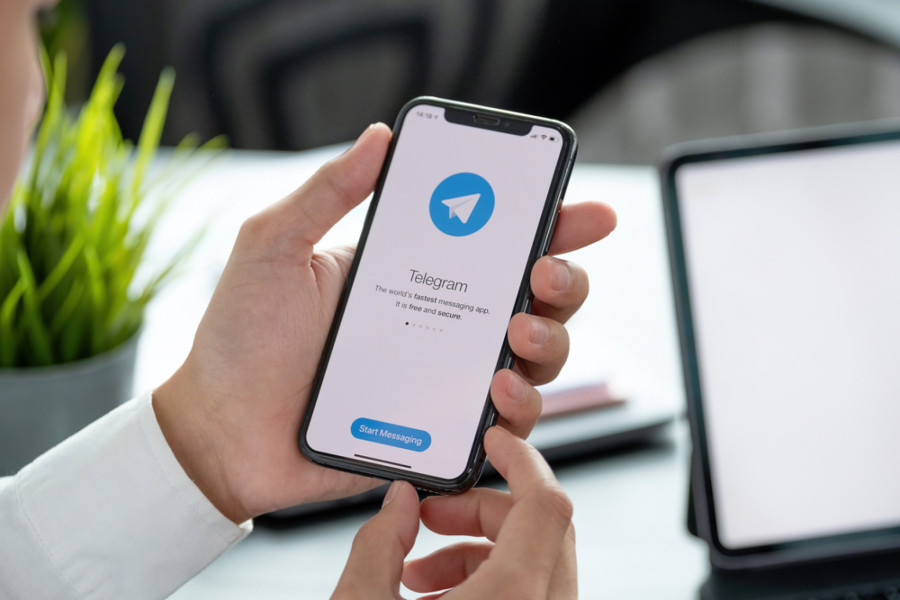
The app is also used at higher levels to form improvised “reconnaissance and strike networks,” through which military intelligence can directly pass target coordinates to artillery and air units, bypassing formal chains of command.
Some have expressed concern that Russia’s domestic air defenses could be left inactive, as mobile teams rely on the app to track long-range Ukrainian drones and coordinate real-time strikes.
Vyacheslav Gladkov, governor of the border region of Belgorod—which faces frequent Ukrainian drone attacks—said he was worried that “the slowing down of Telegram channels could affect the delivery of operational information.”
Kremlin: It is impossible that…
The Kremlin has denied the app’s widespread use among its forces.
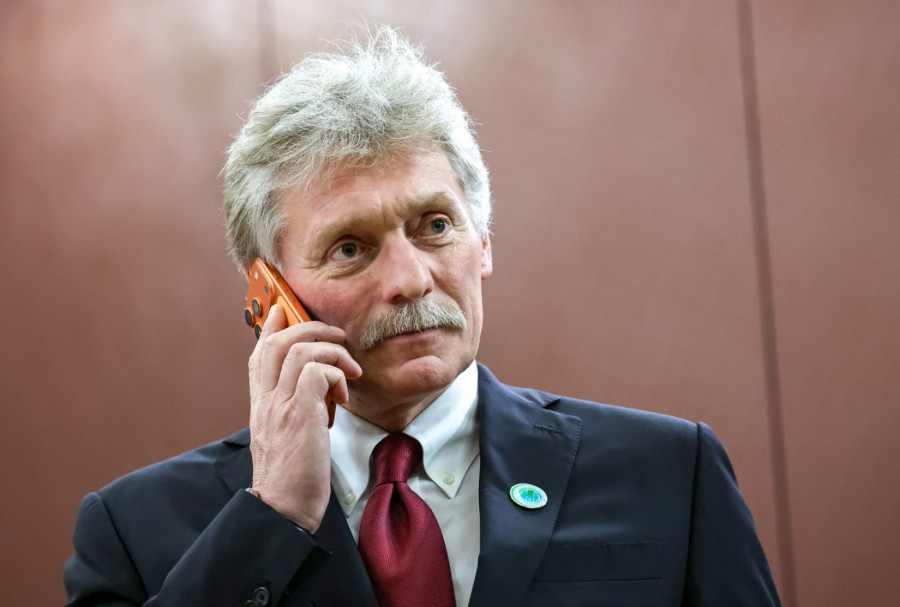
“I don’t think it is possible to imagine that communication on the front line is managed via Telegram or any other messenger,” Kremlin spokesman Dmitry Peskov said.
Russian troops had previously used the platform for real-time communication through Discord to livestream drone footage and coordinate attacks.
The sudden ban on Discord in 2024 sparked anger among frontline troops and outraged bloggers, who condemned it as a bureaucratic misstep that deprived units of a key battlefield coordination tool.
“That’s called being able to see further than your nose,” one blogger remarked at the time.
The situation was somewhat mitigated by the fact that Russian soldiers at the front could still access Starlink satellite internet terminals, circumventing official sanctions, according to military analyst Kirill Mihaylov.
Restrictions worsen the situation
Several bloggers suggested that the Telegram restrictions would further exacerbate the situation.
“Unfortunately, we can’t turn off Starlink for Ukrainians. But we can turn off Telegram for Russians!” one remarked sarcastically.
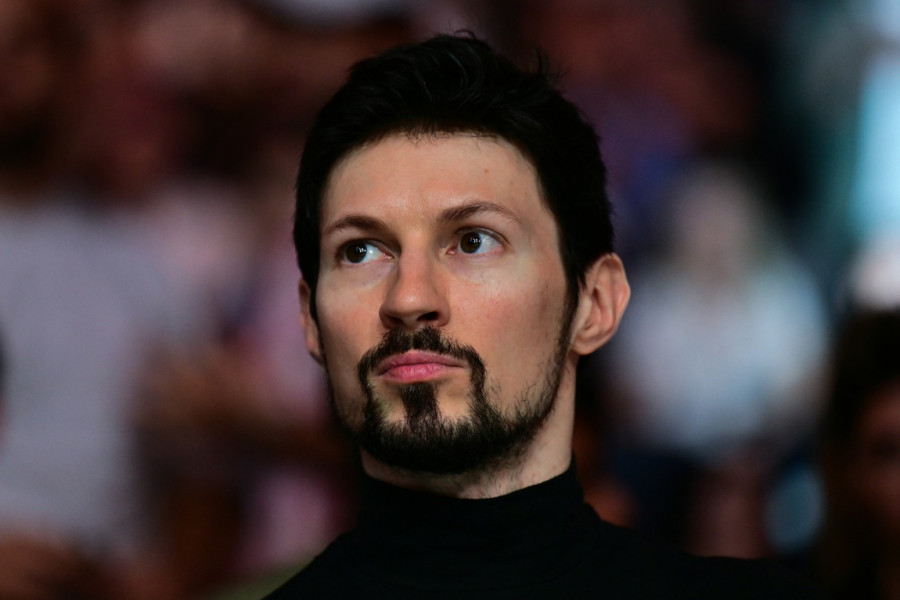
Pavel Durov, the Russian-born CEO of Telegram based in Dubai, issued a rare critique, accusing Moscow of scheming to force citizens onto a “state-controlled app designed for surveillance and political censorship,” referring to the Kremlin-backed messenger MAX, which was launched last year and modeled after China’s WeChat.
A Kremlin-linked source told Verstka, an independent investigative outlet, that Moscow plans to fully block the app by September, ahead of the State Duma elections, in order to limit negative sentiment.
“There’s a sense that the Iranian experience with internet shutdowns inspired our security agencies,” another Kremlin source told Meduza.
Independent media have also warned that their ability to distribute independent information within Russia could be stifled without Telegram.
“Telegram is vital for us because the Meduza website is blocked in Russia,” Galina Timchenko, co-founder of Meduza, told the BBC.
“More than 80% of our Telegram subscribers live in Russia, and our information is crucial to them.”
Timchenko, who was sentenced in absentia to five years in prison last December for running an “undesirable” organization, added: “For our readers, this means they have to make a difficult choice… If the choice is between freedom or news, they will definitely choose freedom.”
0 Komentari
Možda vas zanima

Objavljeni rezultati izbora: Evo kako je Srbija glasala FOTO/VIDEO
Vanredni parlamentarni izbori održani su 25 oktobra u Srbiji. Lista "Aleksandar Vučić – Ujedinjena Srbija" izgubila je na izborima, dok je pobedu odnela "Studentska lista".
22:55
25.10.2026.
1 d

Vučić: "Pobedila je politika Nataše Kandić"; "Imaćemo oko 105 mandata, 'Studentska lista' 135 do 140" VIDEO
Nosilac liste "Aleksandar Vučić - Ujedinjena Srbija" Aleksandar Vučić izjavio je večeras da je ta lista izgubila na današnjim vanrednim parlamentarnim izborima i da je pobedila "Studentska lista", a da će u parlament ući još i Savez vojvođanskih Mađara.
21:40
25.10.2026.
1 d

Najnoviji podaci o rezultatima izbora u Srbiji
Prema projekcijama IPSOS-a i Centra za slobodne izbore i demokratiju (Cesid), na osnovu 75 odsto obrađenog uzorka, na parlamentarnim izborima "Studentska lista" osvojila je 52,4 odsto glasova, a lista "Aleksandar Vučić - Ujedinjena Srbija" 39,2 odsto glasova.
23:34
25.10.2026.
1 d

Opet se oglasio RIK – najnoviji podaci o tome kako je Srbija glasala
Republička izborna komisija (RIK) objavila je rezultate parlamentarnih izbora na osnovu 8.077 obrađenih biračkih mesta po kojima je Studentska lista dobila 2.211.400 glasova, odnosno 52,54 odsto.
8:16
26.10.2026.
23 h

Bez 35 evra nema ulaska u Crnu Goru: Od 1. novembra na snagu stupa nova uredba u komšiluku
Od 1. novembra ruskim građanima će biti potrebna viza za ulazak u Crnu Goru.
19:10
26.10.2026.
12 h












Komentari 0
Pogledaj komentare Pošalji komentar