






28.08.2025.
10:04
The end for Emmanuel Macron?
France faces a major test after the likely collapse of Prime Minister François Bayrou's government, which is scheduled for a confidence vote on September 8.



A growing number of people seem to be heeding the calls of a murky leaderless crusade for a national shutdown on September 10. The movement, which initially consisted of a constellation of anonymous anti-government reports from various political affiliations, began earlier this summer, reaching the wider public as anger grew over Bayrou's plans to cut €43.8bn from the 2026 budget and scrap two public holidays without offering back pay.
Bayrou is expected to lose his job after he announced on Monday that he would call lawmakers into an extraordinary session to hold a confidence vote on September 8 over his unpopular spending plans. Unless there is a major change, France's minority government is unlikely to survive the vote.
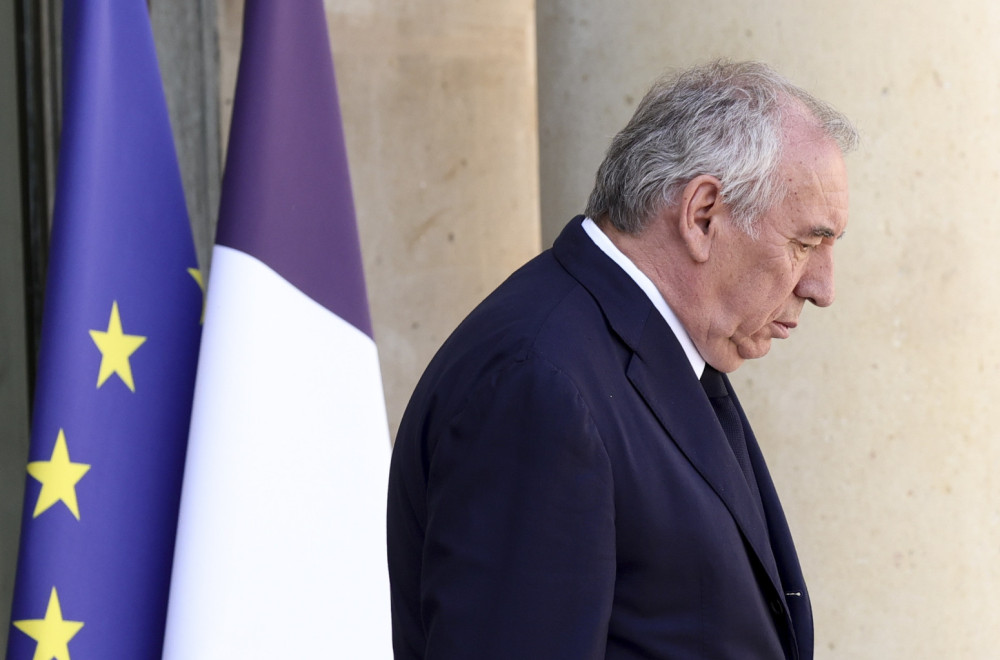
By laying out a plan for his likely exit just two days before the mass protests, Bayrou may have removed the point of the movement – if potential protesters stay home without a government or budget to oppose.
However, if people continue to show up in large numbers, French President Emmanuel Macron will have to deal with the consequences.
As of last week, a Toluna Harris Interactive poll commissioned by RTL found that two out of three respondents expressed support for "closing the country" on September 10, including the vast majority of voters on both the left and the far right. The campaign quickly drew comparisons to the 2018–19 Yellow Vest rebellion - by yet another amorphous mobilization - that spilled out of Facebook groups.
While most French politicians approached the 9/10 movement with caution, given the difficulty of identifying its origins and demands, three-time presidential candidate Jean-Luc Mélenchon was an enthusiastic proponent.
Mélenchon, who describes himself as a left-wing populist and advocate of what he calls a "civic revolution", said in a radio interview on Tuesday that unions should support the September 10 initiative and call for a general strike to pressure Macron.
Calls for Macron's resignation
Bayrou could become Macron's second prime minister to fall in less than a year if he loses the vote next week. According to Mélenchon, Macron would then "realize that it would be useless to re-appoint a third prime minister, who would of course apply the same policies".
"We cannot negotiate with this administration. We have to remove him," Mélenchon said.
One of France's main trade union organizations, the CGT, issued a statement on Wednesday calling for strikes wherever possible.
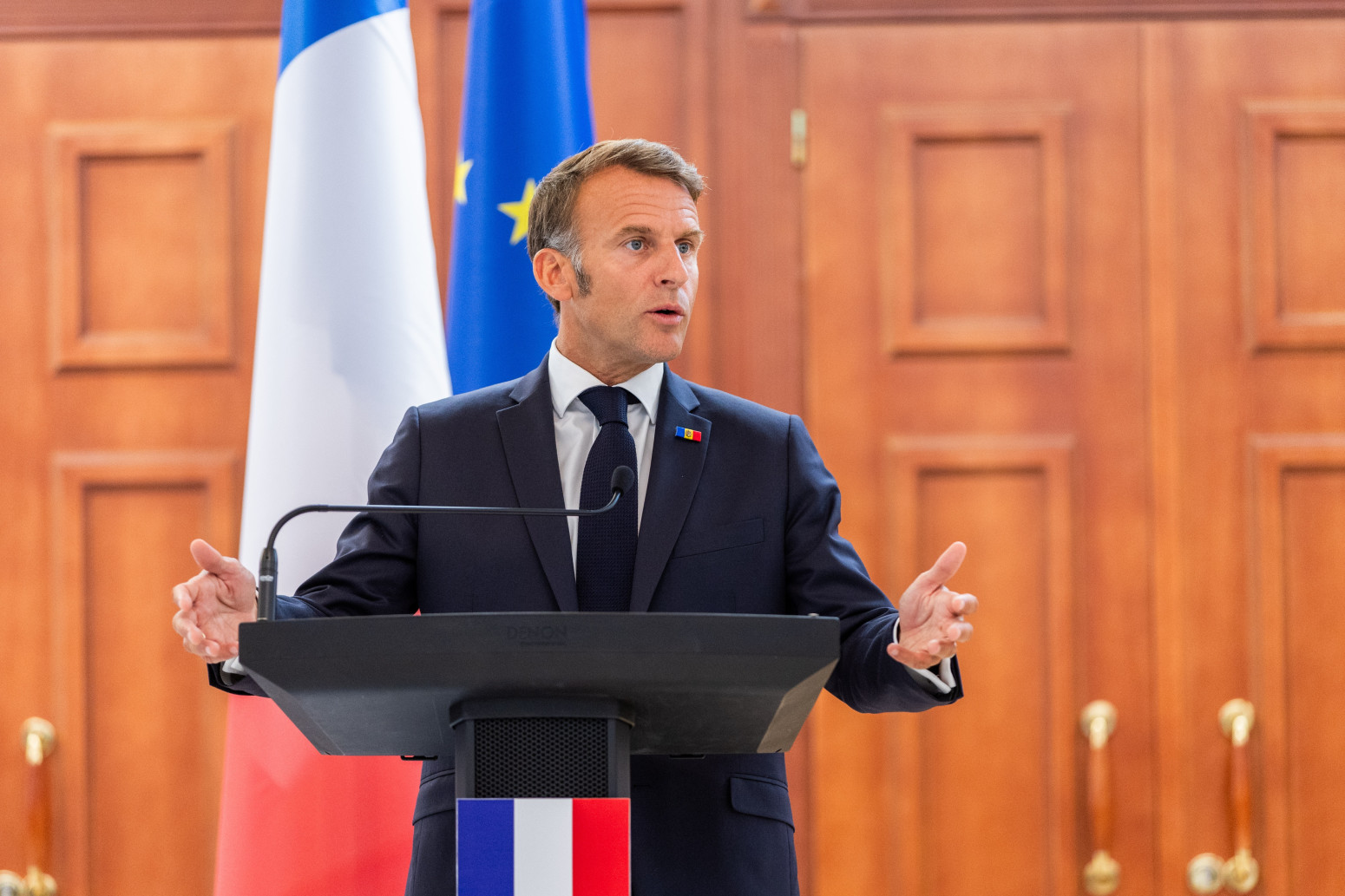
Mélenchon's La France Insoumise party has announced that it will submit a parliamentary proposal to replace Macron with little prospect. Still, if the protesters show up on September 10, talk of Macron leaving will be even louder – even though that's a decision that is ultimately in the president's hands.
Calls for Macron's resignation extend beyond the radical left. Prominent conservatives from the Republican Party - which backed both Bayrou and Barnier as part of a coalition with pro-Macron parties - backed the president's resignation.
"Emmanuel Macron must make a 'Gollian' gesture and plan his resignation," former party leader Jean-François Copé told conservative daily Le Figaro, referring to former president Charles de Gaulle's departure in 1969 after he lost a referendum on constitutional revisions to create new local administrations. Copé announced during the campaign for the referendum that he would step down if the vote failed.
"Macron must accept that the French people no longer want him and act like a statesman."
1 Komentari
Možda vas zanima

Objavljeni rezultati izbora: Evo kako je Srbija glasala FOTO/VIDEO
Vanredni parlamentarni izbori održani su 25 oktobra u Srbiji. Lista "Aleksandar Vučić – Ujedinjena Srbija" izgubila je na izborima, dok je pobedu odnela "Studentska lista".
22:55
25.10.2026.
1 d

Vučić: "Pobedila je politika Nataše Kandić"; "Imaćemo oko 105 mandata, 'Studentska lista' 135 do 140" VIDEO
Nosilac liste "Aleksandar Vučić - Ujedinjena Srbija" Aleksandar Vučić izjavio je večeras da je ta lista izgubila na današnjim vanrednim parlamentarnim izborima i da je pobedila "Studentska lista", a da će u parlament ući još i Savez vojvođanskih Mađara.
21:40
25.10.2026.
1 d

Bez 35 evra nema ulaska u Crnu Goru: Od 1. novembra na snagu stupa nova uredba u komšiluku
Od 1. novembra ruskim građanima će biti potrebna viza za ulazak u Crnu Goru.
19:10
26.10.2026.
17 h

Najnoviji podaci o rezultatima izbora u Srbiji
Prema projekcijama IPSOS-a i Centra za slobodne izbore i demokratiju (Cesid), na osnovu 75 odsto obrađenog uzorka, na parlamentarnim izborima "Studentska lista" osvojila je 52,4 odsto glasova, a lista "Aleksandar Vučić - Ujedinjena Srbija" 39,2 odsto glasova.
23:34
25.10.2026.
1 d

Opet se oglasio RIK – najnoviji podaci o tome kako je Srbija glasala
Republička izborna komisija (RIK) objavila je rezultate parlamentarnih izbora na osnovu 8.077 obrađenih biračkih mesta po kojima je Studentska lista dobila 2.211.400 glasova, odnosno 52,54 odsto.
8:16
26.10.2026.
1 d












Komentari 1
Pogledaj komentare Pošalji komentar