






07.01.2026.
0:00
Merry Christmas!
Orthodox Christians are celebrating Christmas, commemorating the birth of Jesus Christ, one of the most important Christian holidays. The editorial team of B92.net extends its Christmas greetings to its readers.



On Christmas, Orthodox believers traditionally greet one another with the words: “Peace of God, Christ is Born – Truly He is Born.”
The most joyful Christian holiday, celebrated on January 7, is observed not only by the Serbian Orthodox Church, but also by the Russian Orthodox Church, the Jerusalem Patriarchate, Mount Athos, Old Calendarists in Greece, and Egyptian Copts, all of whom follow the Julian calendar.
Among Serbs, Christmas and the holidays associated with it are celebrated most solemnly, rich in beautiful customs that make the several weeks surrounding Christmas the most festive and joyful period of the entire calendar year.
Celebrating the birth of new life
Christmas is the holiday of the birth of new life, a celebration of children and childhood, parenthood—fatherhood and motherhood. Among Serbs, it is adorned with some of the most beautiful religious customs and rituals, all centered on praying to God to protect and bless the family and the household.
This is reflected in the traditional Christmas toast and prayer:
"Grant us, O God, health and joy in this home; may healthy children be born to us, may our wheat and vineyards be fruitful, and may our property grow in the fields, the pens, and the barns!"
Along with Easter, Christmas is one of the greatest Christian holidays, celebrated in remembrance of the birth of Our Lord Jesus Christ, the Son of God.
Christmas also marks the moment when God reveals Himself in the flesh as a man, one of the central events of the Christian faith, as God becomes man in order to restore humanity to God.
The birth of Christ signifies the beginning of the work of salvation of humankind from sin and death, which will be fulfilled through His suffering and Resurrection.
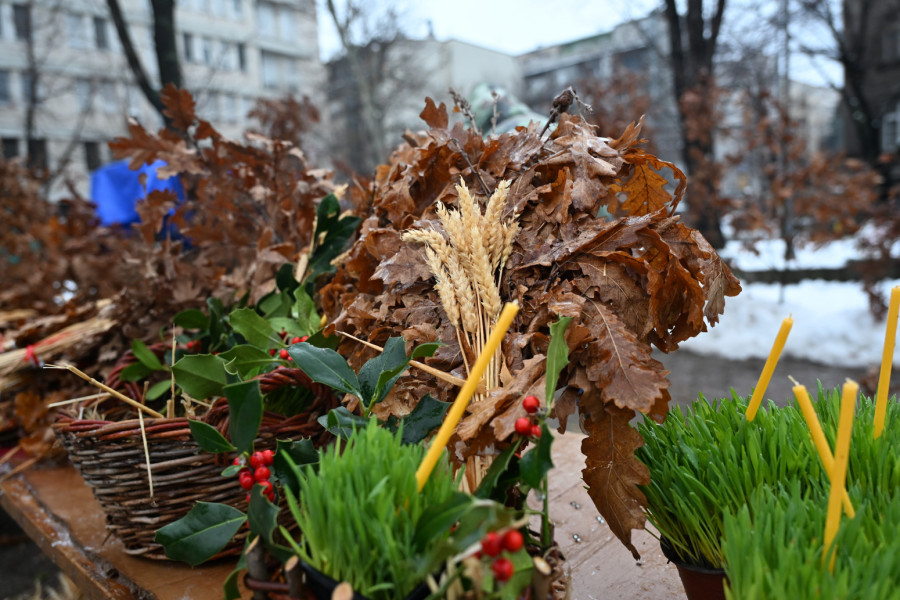
The birth of Christ also symbolizes the coming of light into a world that had been in the darkness of sin, which is why Christmas is referred to in church services as the “Feast of Light.”
Christ was born in a cave, in poverty, showing that humility and love are the fundamental Christian virtues.
The Serbian Orthodox Church celebrates Christmas for three days. The second day of Christmas is the Synaxis of the Most Holy Theotokos, in thanksgiving for her giving birth to the Savior, while the third day is dedicated to Saint Stephen.
Christmas is always a non-fasting day, preceded by the forty-day Christmas fast, which represents the purification of both spirit and body.
On Christmas morning, before dawn, all bells ring in Orthodox churches, announcing the arrival of Christmas and the beginning of the celebration.
In churches, the Christmas Epistle of the bishops of the Serbian Orthodox Church is read.
The Serbian Patriarch Porfirije, together with the bishops of the Serbian Orthodox Church, extended Christmas greetings to the faithful and stated in his epistle that Christmas is a holiday of peace, a time when divisions should be overcome and people should reach out to one another.
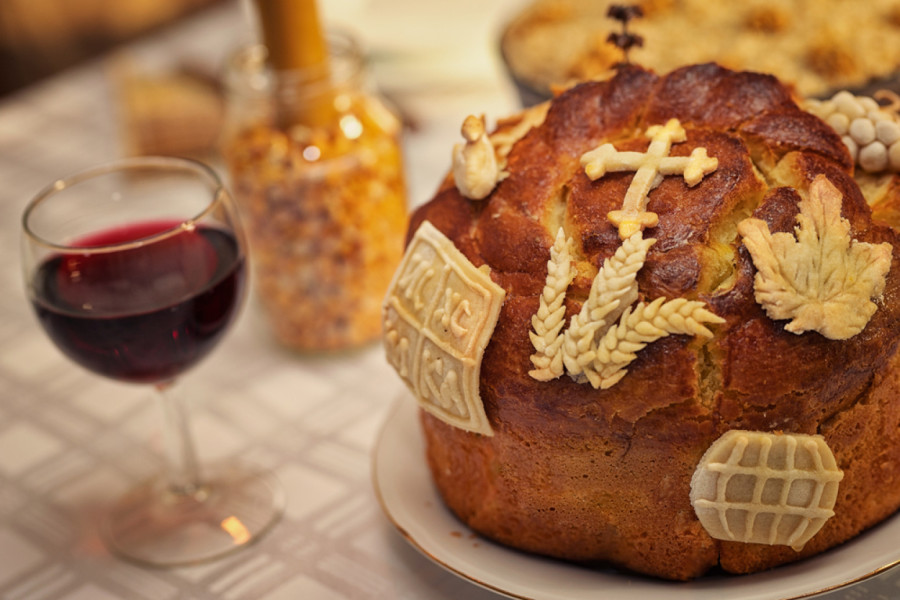
The Česnica is the most important part of the Christmas table
In Serbia, the most important item on the festive Christmas table is the česnica, a traditional bread in which a gold or silver coin is placed. The bread is broken only by hand during the meal.
According to tradition, whoever finds the coin in their piece is believed to have good luck in the coming year.
It is also customary for the Christmas table to include roasted meat (božićna pečenica). Members of the household present gifts to the položajnik, the first guest to visit the home on Christmas Day.
According to the Gospel, Christ was born precisely at midnight, when the brightest star stopped above the cave near Bethlehem.
"At the same time, a great shining star appeared over the land of Israel, unusual in that it did not move from east to west, but traveled toward the south, and it was not positioned as high as other stars, but at the height of a bird’s flight," the Gospel says.
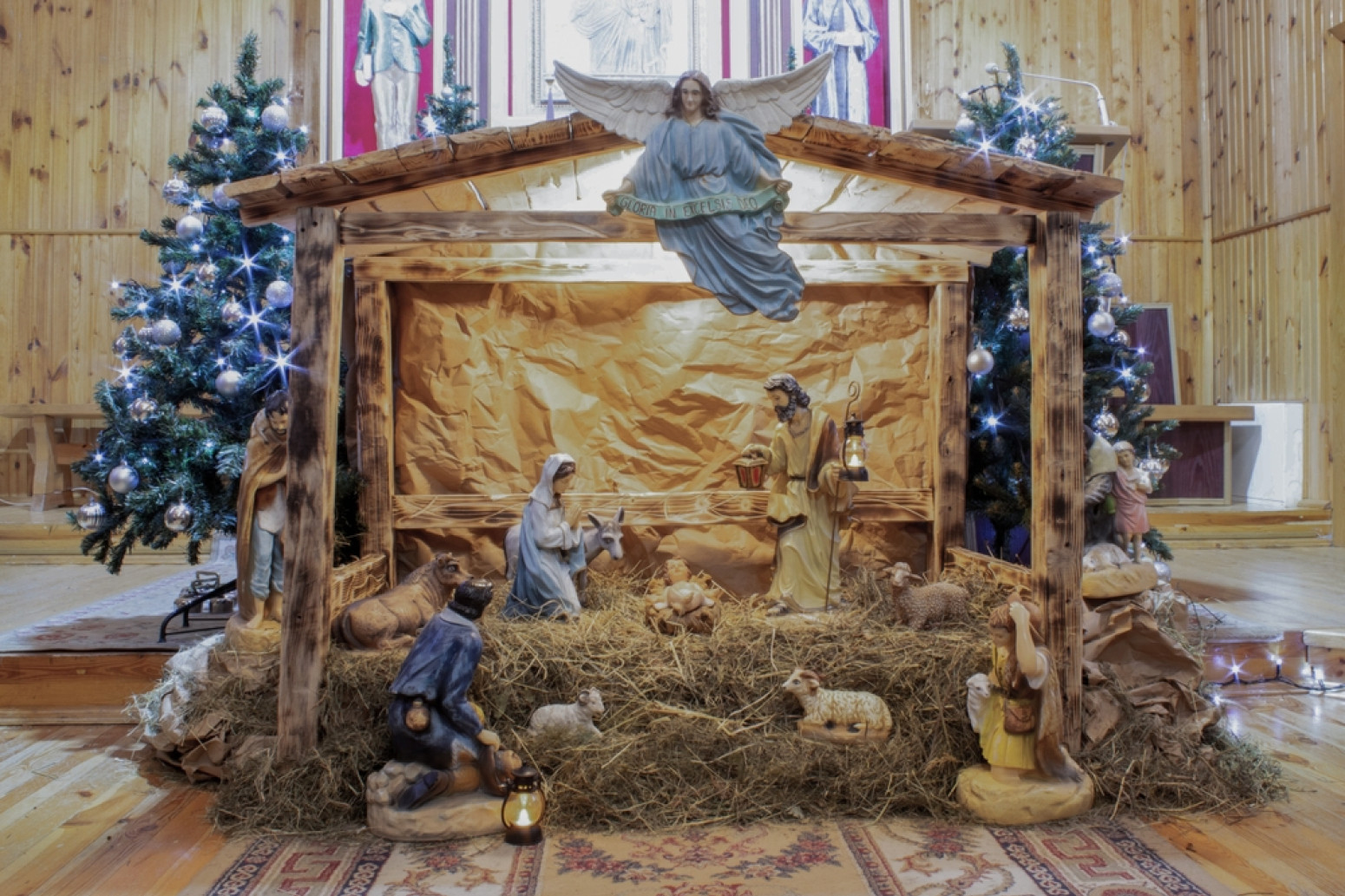
In the cave in Bethlehem, the Virgin Mary wrapped the infant Jesus in straw and worshiped Him as God.
"The star was followed for forty days by three wise men—Gaspar, Balthazar, and Melchior. Arriving in Jerusalem and then at the cave in Bethlehem above which the star had stopped, they bowed before the Child as the King of Kings and presented Him with gifts: gold as to a king, frankincense as to God, and myrrh as to a high priest and teacher."
0 Komentari
Možda vas zanima

Tri znaka ulaze u najlepši period života: Pun Mesec u Biku donosi najveće blagoslove
Za tri znaka ovo je trenutak kada se vrata promena otvaraju širom, jer posle čekanja dolazi vreme velikih blagoslova!
18:30
18.10.2026.
14 h

Rat – dan 1.696: Tramp zamrznuo sankcije Moskvi; Rusi žestoko napali Herson FOTO/VIDEO
Rat u Ukrajini – 1.696. dan. Predsednik SAD Donald Tramp zamrznuo je novi paket sankcija protiv ruske ekonomije. Izaslanik ruskog predsednika Kiril Dmitrijev rekao je da je to važan i istorijski trenutak.
23:55
17.10.2026.
1 d

Rat – dan 1.697: Ukrajinci žestoko napali Sankt Peterburg; Vašington promenio odluku FOTO/VIDEO
Rat u Ukrajini – 1.697. dan. Ukrajinska vojska je tokom noći napala Sankt Peterburg i rusku Lenjingradsku oblast. Predsednik Volodimir Zelenski potvrdio je da su SAD nastavile slanje obaveštanih podataka.
23:55
18.10.2026.
9 h

Zaboravljeno starinsko jelo iz Vojvodine: Olakšava probavu, a gotovo je za 30 minuta
Za pripremu vam je potrebno manje od 300 dinara, a ovo jelo traži samo četiri sastojka i pola sata vremena. Probajte!
11:53
18.10.2026.
21 h

Ovaj jesenji plod je blago za organizam: Bogat je vitaminom C, a evo kako ga je najbolje koristiti
Crveni plodovi pored puteva, na rubovima šuma i zapuštenim livadama nisu samo lep jesenji prizor. Šipurak je odavno poznat u narodnoj tradiciji, a oktobar je pravo vreme za berbu i pripremu ovog ploda divlje ruže.
21:08
17.10.2026.
1 d












Komentari 0
Pogledaj komentare Pošalji komentar