






13.03.2026.
15:42
European union is (un)able?
The European Union once played a central role in diplomacy with Iran — it also helped broker the 2015 nuclear deal. That is no longer the case. Is the EU still able to shape events, or has it been pushed to the sidelines?



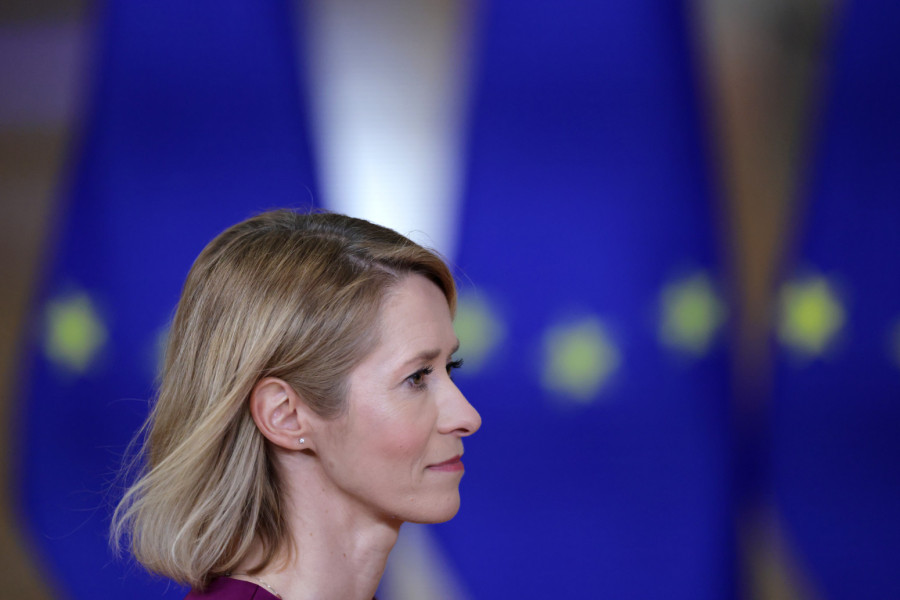
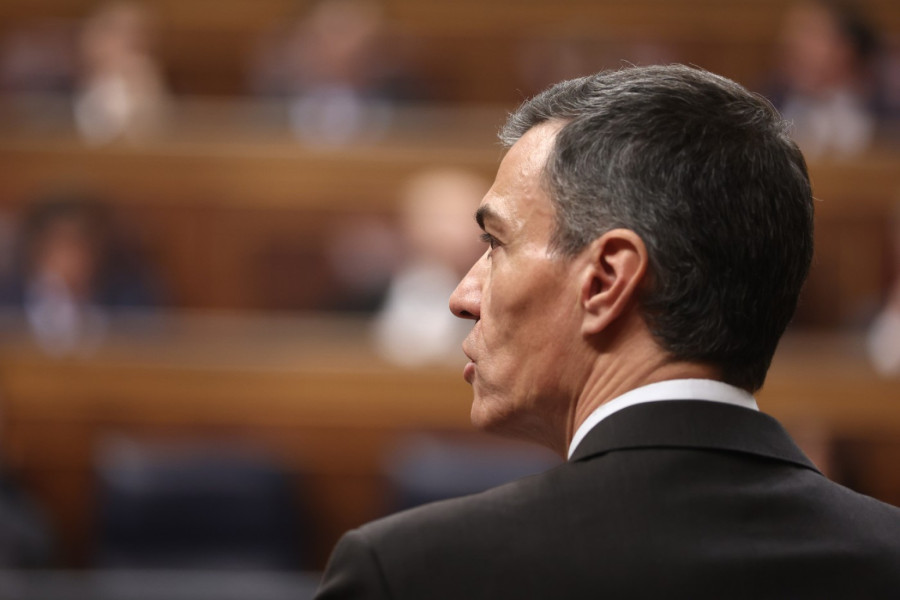
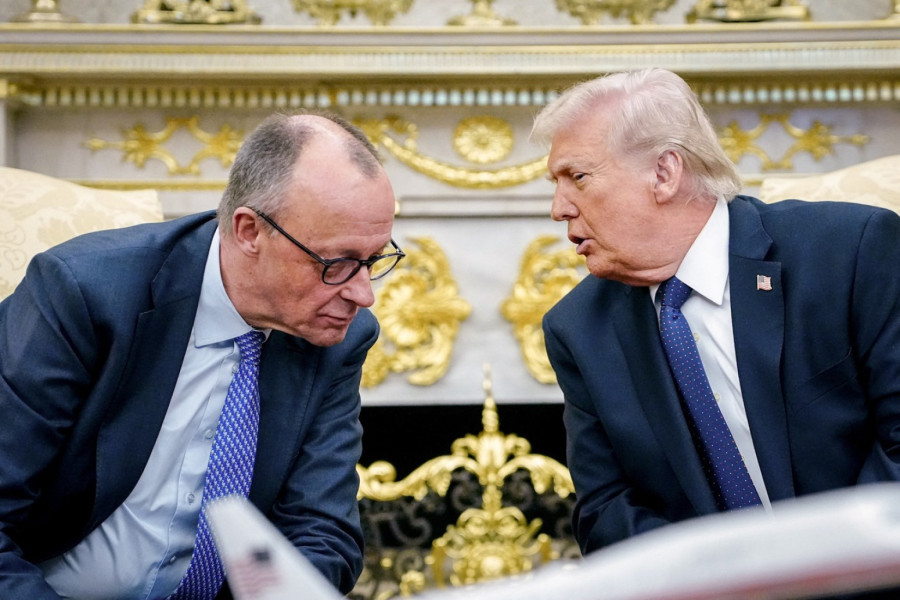
The compromise is paradoxical: when it comes to Ukraine, the European Union remains an indispensable actor, coordinating sanctions, aid, and military support; but regarding Iran, it operates only on the periphery. Barnes-Dacey attributes this to geography and priorities: Ukraine is treated as an existential security issue in the EU’s immediate neighborhood.
The Middle East has fallen down the priority list, despite the obvious risks of the conflict spilling over. But this also reflects a harder truth: the European Union still struggles to strategically leverage its economic weight.
On the sidelines, but not untouched
Being on the sidelines, however, does not mean remaining unaffected. Manelii Mirkan warns that Europe could pay a high price if Iran remains severely weakened yet politically intact. A prolonged conflict could further raise energy costs, destabilize the region, and create new migration pressures on Europe.
“If we fail to create conditions for a relatively stable transition, the risks for Europeans are very, very high,” she says.
The role to play
On this point, the two analysts diverge most clearly. Barnes-Dacey is deeply skeptical about whether the EU can regain significant influence without a major shift in political will.
Mirkan is more optimistic. She argues that, even though the European Union does not have a central role in the military phase of the crisis, it could still play an important role in what comes after the Islamic Republic, if the regime falls: supporting opposition figures, facilitating dialogue among them, and helping shape a democratic framework for a possible transition. In her view, the EU should move “from declarative and symbolic actions to a greater driving force.”
For Barnes-Dacey, the situation is clear: if all of this is seen as a test of whether the EU is a significant geopolitical actor, then, he says, “Europe has failed.” The Iranian crisis once again exposes the gap between the European Union’s geopolitical ambitions and its ability to act on them. Regarding Ukraine, the Union has shown that it can still be important when it speaks with one voice. Regarding Iran, it has yet to prove it can be more than a mere observer.
0 Komentari
Možda vas zanima

Evo kada počinje zimsko računanje vremena: Tokom ove noći očekuje nas pomeranje sata
Prelazak na zimsko računanje vremena u 2026. godini očekuje nas u noći između 24. i 25. oktobra, kada se kazaljke vraćaju sa tri na dva sata ujutru. Saznajte zašto je uvedeno pomeranje sata, kao i kako utiče na zdravlje.
18:28
19.9.2026.
1 d

Dvostruka državna pomoć za penzionere: Evo šta ih očekuje pored novog povećanja penzija
PIO fond je obezbedio sredstva za jednokratnu pomoć, čiji će iznos zavisiti od visine penzije, dok penzionere očekuje i novo povećanje primanja.
9:01
20.9.2026.
1 d

Selektor Irske pred duel u Bačkoj Topoli: "Igramo protiv genocida"
Predstojeće utakmice Republike Irske i Izraela u Ligi nacija odavno su prevazišle sportske okvire, a tenzije su dodatno porasle posle izjava irskog selektora Hejmira Halgrimsona.
23:58
20.9.2026.
15 h

Stiže još novca za penzionere: Pre povećanja penzija stiže još jedna isplata
Država je započela sprovođenje novog paketa ekonomskih mera usmerenih na podizanje životnog standarda građana, čija ukupna vrednost iznosi 980,6 miliona evra, dok je za jednokratne oblike pomoći od 2020. do 2026. godine opredeljeno ukupno 374 milijarde dinara.
17:33
20.9.2026.
21 h

Najluđi meč sezone! Partizan išao ka debaklu, pa se dva puta vratio iz mrtvih VIDEO
Nešto u Humskoj, definitivno je, mora da se menja. Ali šta?
20:52
19.9.2026.
1 d












Komentari 0
Pogledaj komentare Pošalji komentar