






21.07.2025.
9:49
Farewell to microplastics: This will soon be banned in Serbia
Projections say that by 2050, an additional 33 billion tons of plastic will be generated globally.



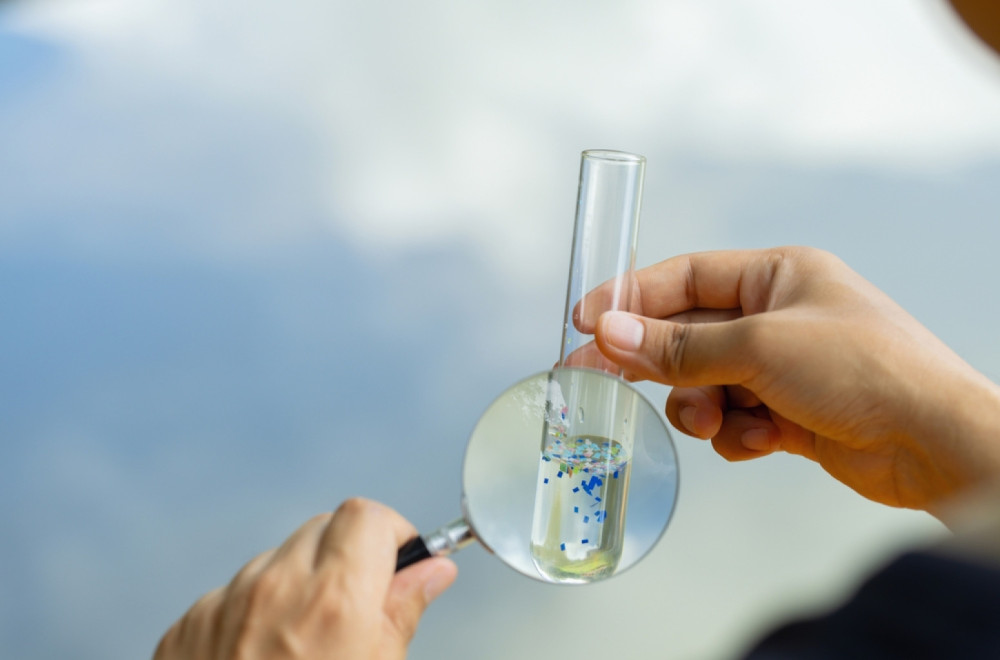
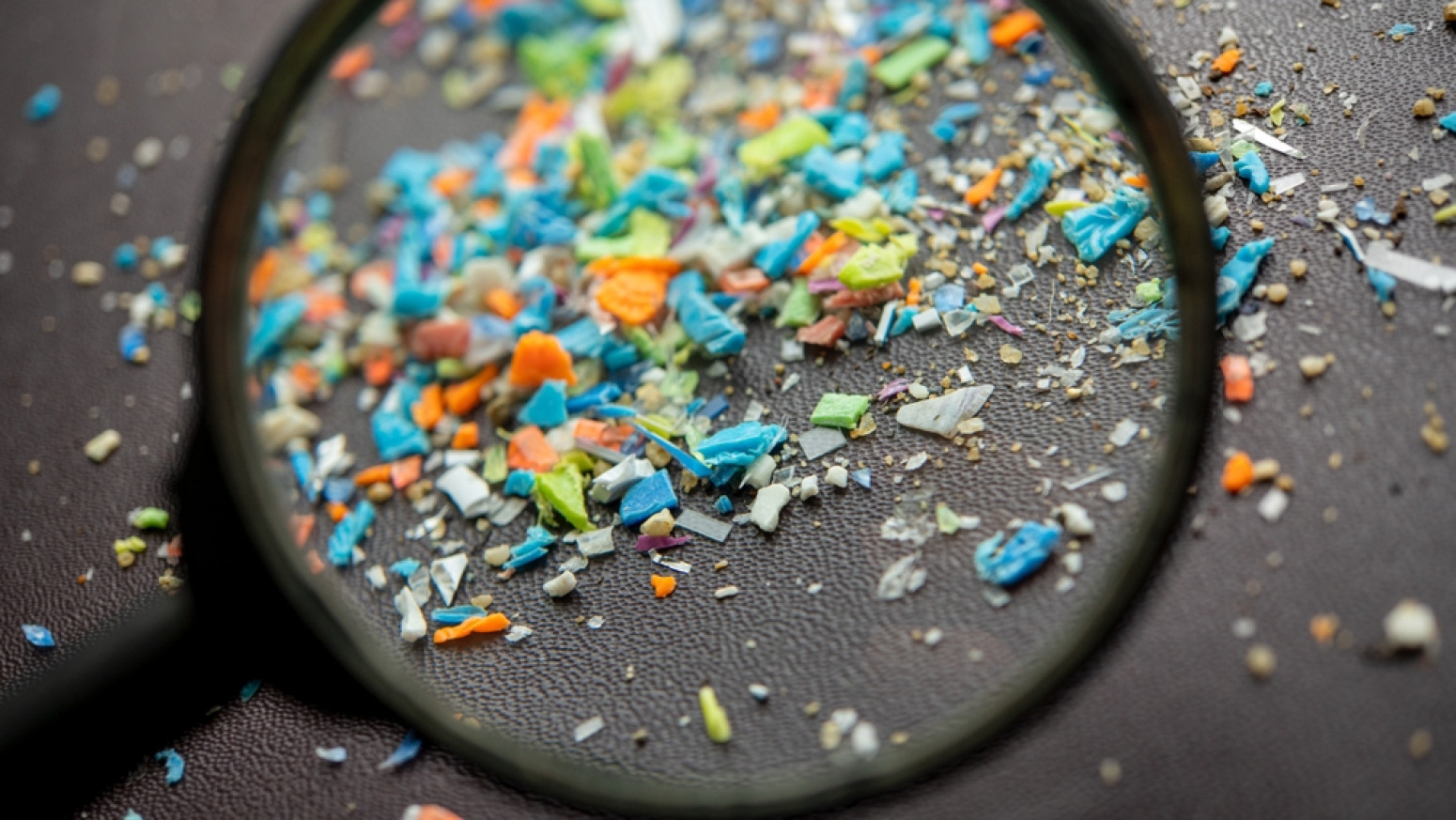
A big problem is microplastics – small, usually microscopic, solid particles made of synthetic polymer. They are stable in the environment, because they are very resistant to (bio)degradation.
Microplastics are produced and used in many marketed mixtures and as such are called "purposely added".
It is found in cosmetics (rinse-on products), detergents and washing and cleaning products, fertilizers and plant protection products, paints, coatings and inks (for professional and general use), chemicals used in the oil and gas sector, construction, medical products, medical devices, nutritional supplements and so on.
Ban on microplastics in Serbia from 2027
The ban on microplastics in cosmetic products that are washed off the body in our country will enter into force in 2027, it was said at the end of January at a seminar within the framework of the UNDP/UNEP SP project "Further strengthening of national capacities for managing the risk of hazardous substances throughout the entire life cycle in the Republic of Serbia", writes the Business portal.
Transitional periods are also provided for other cosmetic products.
The ban also includes detergents, waxes, varnishes and air fresheners, medicines and medical products, plant nutrition products, plant and seed protection products, products for use in agriculture and horticulture, as well as granular fillings intended for synthetic sports surfaces. Exceptions to the ban apply to reporting on microplastics.
As stated at the seminar, the regulation banning microplastics has passed all procedures and is expected to be adopted.
The draft rulebook on amendments to the Rulebook on restrictions and bans on the production, marketing and use of chemicals contains provisions under serial number restrictions and bans 78, which refer to restrictions and bans on the marketing of microplastics and products/mixtures containing them.
Specifically, in one of the presentations, it is stated that it is prohibited to put substances or mixtures on the market if microparticles of synthetic polymers are purposefully added to them in order to obtain the desired characteristics in a concentration equal to or greater than 0.01 percent by mass, and exceptions are also defined. The obligations of suppliers are also foreseen.
The use of microplastics in products affects: emulsification, viscosity, binding, film formation and more.
For the purposes of restrictions and prohibitions, permitted test methods and criteria for the degradability of polymers, i.e. microplastics, have been established. Tests are conducted by laboratories that apply the principles of good laboratory practice or other international standards that are equivalent or accredited in accordance with the SRPS ISO/IEC 17025 standard.
A Guide for creating a preliminary inventory of products with purposefully added microplastics and nanomaterials was also designed, which is intended for the professional public, competent authorities for the purpose of determining the state and prioritization of public policy measures in the field of environmental protection, as well as the economy for the purpose of identifying products that may potentially contain microplastics or nanoplastics.
As Dragan Stevanović, Secretary of the Association for the Chemical, Rubber and Non-Metal Industry of the Serbian Chamber of Commerce, said at the seminar, the economy does not have much time to comply with the new regulation. He called for timely consideration of how the ban on microplastics will be implemented and added that businessmen can always count on the support of the association, as stated on the PKS website.
There are three key routes for microplastics to enter the human body: inhalation, ingestion and skin contact.
Based on specific research on the impact of microplastics on human health, it was shown that, for example, polystyrene particles in the range of less than 10 micrometers at high concentrations show hemolytic properties, that is, they destroy erythrocytes in the blood, it was stated in one of the presentations held at the seminar.
Most commonly used polymers
The most commonly used polymers for the production of specially added microplastics in products are: polyethylene, polymethyl methacrylate, polytetrafluoroethylene, polyamide, polyurethane, styrene/acrylate copolymer, melamine-formaldehyde resin, urea-formaldehyde resin, polypropylene, polyacrylonitrile, expanded polystyrene, poly-ε-caprolactone, polyethylene terephthalate and polycarbonate.
0 Komentari
Možda vas zanima

Partizan srušio Zvezdu; Pajola heroj! Karlik: "Nemam reči"; Italijan objasnio pobedu crno-belih
Košarkaši Partizana pobedili su Crvenu zvezdu rezultatom 85:82 u 7. kolu Evrolige.
23:57
22.10.2026.
1 d

Neverovatni prizori u 150 mesta u Srbiji: Okupljanja i podrška listi "Ujedinjena Srbija"; Orio se "Ruzmarin"
Građani Srbije u 150 gradova i sela organizovali su skupove poslednjeg dana izborne kampanje kako bi iskazali podršku listi "Aleksandar Vučić – Ujedinjena Srbija".
22:19
22.10.2026.
1 d

Zvezda umalo opet sve prosula; Rijera nije zabrinut; Elšnik neće da "baca saigrače pod autobus"
Fudbaleri Crvene zvezde remizirali su sa Kopenhagenom 2:2 na stadionu "Rajko Mitić" u drugom kolu Lige konferencije.
22:14
22.10.2026.
1 d

Stigao predlog za kraj rata
Časopis "The Economist" izložio je "konture" američkih mirovnih planova za kraj rata u Ukrajini. Predlozi SAD uključuju stvaranje demilitarizovane zone u Donbasu, ublažavanje sankcija protiv Rusije i investicioni paket za Kijev.
10:29
23.10.2026.
1 d

Rat – dan 1.671: Rusi ponovo napali Kijev; Putin: "Možemo da postignemo dogovor" FOTO/VIDEO
Rat u Ukrajini – 1.671. dan. Rusi su u toku noći pokrenuli novi udar na Kijev. Ruski predsednik Vladimir Putin izrazio je danas uverenje da Rusija i Ukrajina mogu da postignu dogovor.
23:58
22.10.2026.
1 d












Komentari 0
Pogledaj komentare Pošalji komentar