






26.01.2026.
10:44
"Yes, what Trump is doing is fascism"
The political system that Donald Trump is building today can no longer be described simply as authoritarianism or populism, but rather as a form of 21st-century fascism, writes American journalist and political analyst Jonathan Rauch for The Atlantic.


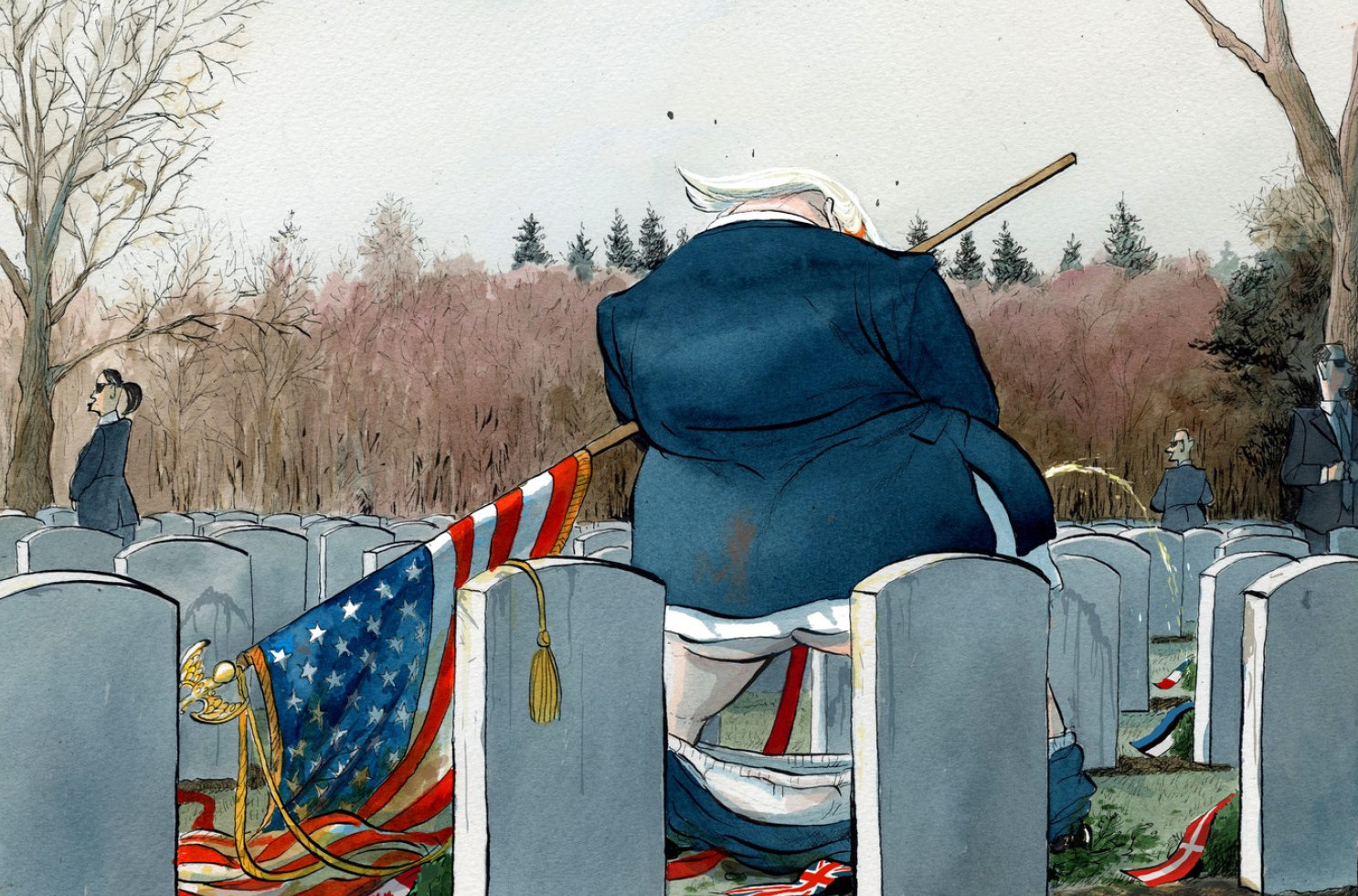
Rauch readily admits that for years he refused to use the term fascism for Trump. Partly because the term is vague and often abused, partly because historical fascisms differ from one another, and partly because Trump did not fully fit the classic patterns of Mussolini or Hitler during his first term.
Previously, he described Trump’s rule as patrimonialism—a system in which the leader treats the state as personal property and an extension of his own business. But, Rauch emphasizes, patrimonialism is a style of governance, not an ideology. Fascism is something else: aggressive, revolutionary, and aimed at crushing resistance and reshaping society.
Why did this change?
Over the past year, Rauch writes, Trump’s project has ceased to be merely a personal grab for power and has begun to take on clear ideological and operational elements of fascism.
There is talk of territorial claims, demands for unlimited power, open admiration for authoritarian regimes, politicization of the judiciary, demonstrative brutality, the creation of paramilitary structures, and systematic violations of rights.
“When the facts change, I change my mind,” Rauch writes. Overall, he adds, the reluctance to name it for what it is becomes misleading.
Breaking norms, deliberately trampling civility, and the use of force
Fascism, Rauch explains, consciously destroys civic norms because they stand in its way. Trump has been doing this from the start: insulting war veterans, journalists, women, minorities, and migrants.
Such an attitude, Rauch writes, is completely at odds with the American and Christian moral tradition, but fits perfectly into fascist logic.
Politicization of justice
Fascism recognizes the law only when it suits it. Trump has openly called for the imprisonment of political opponents, downplayed the Constitution, and turned federal institutions into tools of revenge.
Reuters recorded that more than 470 individuals and institutions have been targets of retaliation since Trump returned to office. That alone, Rauch concludes, would be enough to push the United States dangerously toward a fascist model.
Dehumanization and enemies of the people
Fascism needs enemies who are “vermin,” “trash,” “subhuman.” Trump describes immigrants as people who “poison the blood of the country,” political opponents as “scum,” while his vice president openly speaks of “subhumans.”
0 Komentari
Možda vas zanima

Dvostruka državna pomoć za penzionere: Evo šta ih očekuje pored novog povećanja penzija
PIO fond je obezbedio sredstva za jednokratnu pomoć, čiji će iznos zavisiti od visine penzije, dok penzionere očekuje i novo povećanje primanja.
9:01
20.9.2026.
13 h

Evo kada počinje zimsko računanje vremena: Tokom ove noći očekuje nas pomeranje sata
Prelazak na zimsko računanje vremena u 2026. godini očekuje nas u noći između 24. i 25. oktobra, kada se kazaljke vraćaju sa tri na dva sata ujutru. Saznajte zašto je uvedeno pomeranje sata, kao i kako utiče na zdravlje.
18:28
19.9.2026.
1 d

Najluđi meč sezone! Partizan išao ka debaklu, pa se dva puta vratio iz mrtvih VIDEO
Nešto u Humskoj, definitivno je, mora da se menja. Ali šta?
20:52
19.9.2026.
1 d

Rat – dan 1.667: Pogođena nuklearna elektrana u Rusiji; Eksplozije u Kijevu; Rusi napali Sumi FOTO/VIDEO
Rat u Ukrajini – 1.667. dan. Bespilotna letelica pala je na rashladni toranj prvog energobloka Kurske nuklearne elektrane 2 i eksplodirala, saopštio je "Rosatom". Rusi su napali grad Sumi – oštećene su stambene zgrade, a dve osobe su poginule.
23:52
18.9.2026.
1 d

uživo Osveta je stigla – gori u prestonici; Ispaljeno preko 1.000 dronova; Razgovarali Tramp i Zelenski FOTO/VIDEO
Rat u Ukrajini – 1.669. dan. Dve osobe su poginule, a šest je povređeno u masovnom napadu ukrajinskih dronova na Moskovsku oblast, gde je, prema navodima ruskih vlasti, oboreno i potisnuto 249 letelica.
21:42
20.9.2026.
31 min












Komentari 0
Pogledaj komentare Pošalji komentar