






17.10.2025.
10:40
An eye for an eye: Ukrainian retaliation begins
For much of Russia’s war against Ukraine, Moscow was able to strike Ukrainian cities and its energy grid while suffering very little retaliation. That is now changing.



Thanks to a successful effort to develop its own drones and long-range missiles, and then dramatically increase production, Ukraine can now strike Russia almost daily. It can now methodically target not only oil refineries but also power plants and electrical substations, causing a growing energy crisis within Russia, writes the Brussels-based portal Politico.
“After all, we told them they need to understand that if they want to impose power outages on us, we will do the same. There are no secrets here,” said Ukrainian President Volodymyr Zelensky during a meeting with several journalists, including Politico, in Kyiv last week.
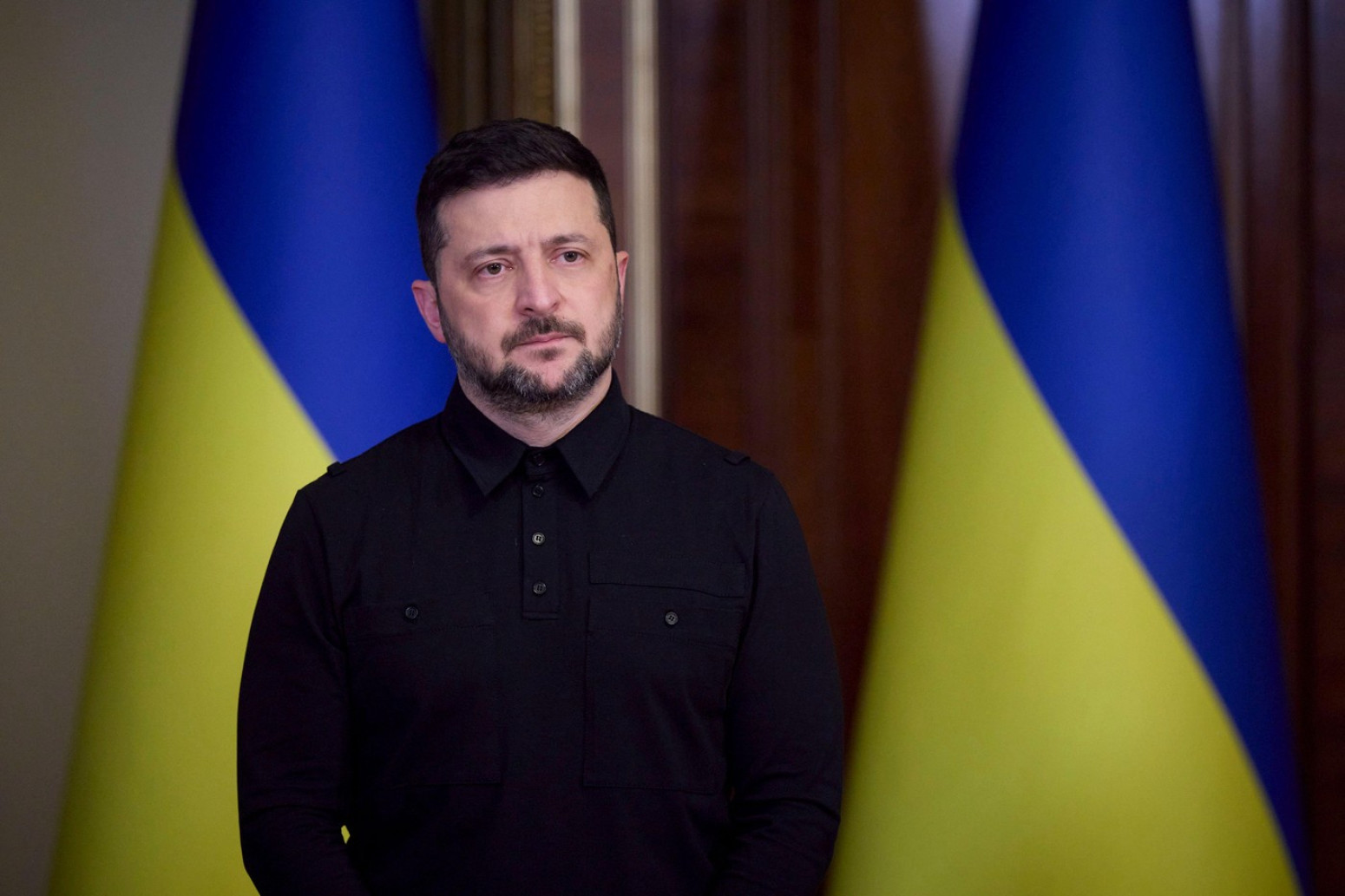
The aim is to develop such a powerful non‑nuclear strike capability that Russia will stop its own attacks on Ukraine. That has not happened yet, but Ukraine can now retaliate against Russian strikes in a way it was not able to do during the first three years of the war.
On Friday the Kremlin launched more than 450 drones and 30 missiles at Kyiv and other Ukrainian cities, causing partial power outages. Just last week, Russia launched over 3,100 drones, 92 missiles and around 1,360 glide bombs against Ukraine, most of them aimed at energy infrastructure targets.
But Ukraine is now responding in kind. In addition to bombing oil refineries, Kyiv earlier this month struck a civilian power plant in the Russian city of Belgorod near the Ukrainian border, causing blackouts.
Zelensky said this is part of Kyiv’s deterrence strategy.
“The enemy must pay the price for this war. But we do not kill civilians,” Zelensky said.
Ukraine struck 21 Russian refineries
In the early years of the war, Ukraine targeted military and energy infrastructure inside Russia, but those were mostly small attacks that quickly stopped, allowing Russia to recover and Russian President Vladimir Putin to shield civilians from the effects of the war he started.
But Ukraine’s growing long‑range arsenal now enables a much more sustainable campaign.
So far this year, Ukraine has struck 21 out of 38 major Russian refineries, the BBC reported, disabling about 38 percent of the country’s crude‑oil refining capacity. Zelensky said the attacks have caused Russia to lose up to one‑fifth of its gasoline reserves and forced it to begin importing from Belarus.
The strikes are causing domestic fuel shortages, affecting military transport, and leaving the Kremlin’s most important strategic industry on the brink of collapse.
Putin addressed the energy attacks on Ukraine at a recent Defense Ministry meeting.
“In an attempt to show his Western sponsors at least some appearance of success, the Kyiv regime is trying to target civilian facilities deep inside our territory. That will not help them,” Putin said.
Tensions Rise with Trump
Relations between Ukrainian President Volodymyr Zelensky and U.S. President Donald Trump have been tense. Incidents have included attacks on the Ukrainian president in the White House, temporary suspension of weapons deliveries, and the exchange of intelligence by the U.S., as well as the current, much warmer relations that may be linked to Putin’s continuation of the war rather than yielding to Trump’s demand to begin peace negotiations.
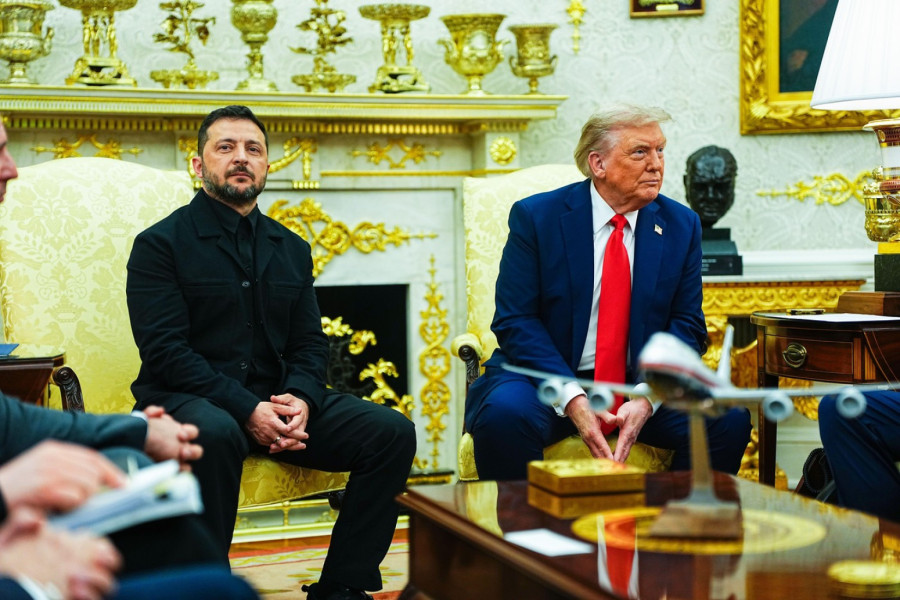
In August, Trump criticized his predecessor Joe Biden for not allowing Ukraine to strike deep into Russia
“It is very difficult, if not impossible, to win a war without striking the invader’s country. It’s like a great sports team with a fantastic defense, but it’s not allowed to play offense. No chance of winning! That’s how it is with Ukraine and Russia,” Trump wrote on Truth Social.
Trump now says he is considering Ukraine’s request for long‑range Tomahawk cruise missiles.
“Honestly, I give credit to Ukraine for how well they have handled themselves. They are very good fighters. I think President Putin would look great if he resolved this. It won’t be good for him if he doesn’t,” Trump told reporters on Sunday, saying that before deciding on the Tomahawks he might first speak with Putin, because sending the missiles would be “a step forward in the war.”
Zelensky and Trump discussed Tomahawk deliveries to Ukraine during two phone calls in the past two days, an unusually frequent pace.
“We see and hear that Russia is afraid that the Americans might give us Tomahawks. This is a signal that this kind of pressure can work for peace,” Zelensky said on Sunday. Kyiv needs one more strong deterrent that would “soberingly affect Russia,” he added.
Local production
Ukraine is not waiting for Washington. It has begun producing increasing numbers of more lethal drones and missiles, which is the key reason this year’s campaign of deep strikes is more sustainable and successful, Zelensky said. Another advantage is closer cooperation with U.S. intelligence services, although the president refused to elaborate.
“Well, the intelligence agencies are cooperating very actively. But for us it’s more important that they help in understanding Russian intentions, and that they assist with air‑defense,” a Ukrainian official told Politico on condition of anonymity.
“But our weapons have become better, and that is useful as well.”
The Financial Times reported over the weekend that the U.S. is providing Ukraine with targeting information to hit Russian energy infrastructure.
“The drone‑rocket ‘Palianytsia’ has already begun hitting Russian ammunition depots in dozens of cases,” Zelensky claimed. Another drone‑rocket called ‘Ruta’ struck an offshore platform 250 kilometres out in the Black Sea, he added.
Zelensky said targets such as the Russian Baltic ports Ust‑Luga and Primorsk are “now within reach.” On Saturday, Ukrainian drones hit the Bashneft oil refinery in Ufa near the Ural Mountains, 1,400 kilometres from Ukraine.
A new Ukrainian cruise missile, the Flamingo, with a range of 3,000 kilometres, has begun striking Russia, as has the short‑range Neptun missile.
“I won’t give numbers — we have used our Neptun and Flamingo missiles in pairs. We are not talking about mass employment of this pair. We only say it has been used, and there are early signs of success with this particular weapon,” Zelensky said.
The aim is for Putin and the Russians to feel the consequences of the war and to force the Kremlin to rethink its stance, Politico emphasizes.
“Greater pressure on Russia is needed. Pressure will succeed — when they lose more from the war than they would in any other scenario. Our long‑range strikes, strong sanctions, holding the battlefield, defending ourselves — and, undoubtedly, supporting peaceful initiatives because it is right — this will succeed,” Zelensky said.
0 Komentari
Možda vas zanima

Vojska Srbije na nogama – oglasilo se Ministarstvo odbrane
U okviru drugog dela združene taktičke vežbe sa bojevim gađanjima "Pobednik 2026", jedinice Kopnene vojske na više lokacija realizuju uvežbavanja za izvođenje borbenih dejstava u napadnoj operaciji, saopšteno je danas iz Ministarstva odbrane.
11:27
18.9.2026.
2 d

Evo kada počinje zimsko računanje vremena: Tokom ove noći očekuje nas pomeranje sata
Prelazak na zimsko računanje vremena u 2026. godini očekuje nas u noći između 24. i 25. oktobra, kada se kazaljke vraćaju sa tri na dva sata ujutru. Saznajte zašto je uvedeno pomeranje sata, kao i kako utiče na zdravlje.
18:28
19.9.2026.
1 d

Dvostruka državna pomoć za penzionere: Evo šta ih očekuje pored novog povećanja penzija
PIO fond je obezbedio sredstva za jednokratnu pomoć, čiji će iznos zavisiti od visine penzije, dok penzionere očekuje i novo povećanje primanja.
9:01
20.9.2026.
16 h

I, beg iz Kremlja je počeo
Sve veći broj Rusa strahuje da bi predsednik Vladimir Putin mogao da naredi novi talas masovne mobilizacije za rat u Ukrajini nakon parlamentarnih izbora koji se održavaju ove nedelje.
10:33
18.9.2026.
2 d

Najluđi meč sezone! Partizan išao ka debaklu, pa se dva puta vratio iz mrtvih VIDEO
Nešto u Humskoj, definitivno je, mora da se menja. Ali šta?
20:52
19.9.2026.
1 d












Komentari 0
Pogledaj komentare Pošalji komentar