






23.11.2026.
16:15
If Russia really does this, everything will come to a standstill – literally! PHOTO
Western intelligence agencies believe that Russia could launch a nuclear-powered satellite as early as this year, German media report. Moscow denies the claims. An explosion could endanger satellites and systems on Earth, Deutsche Welle reports.


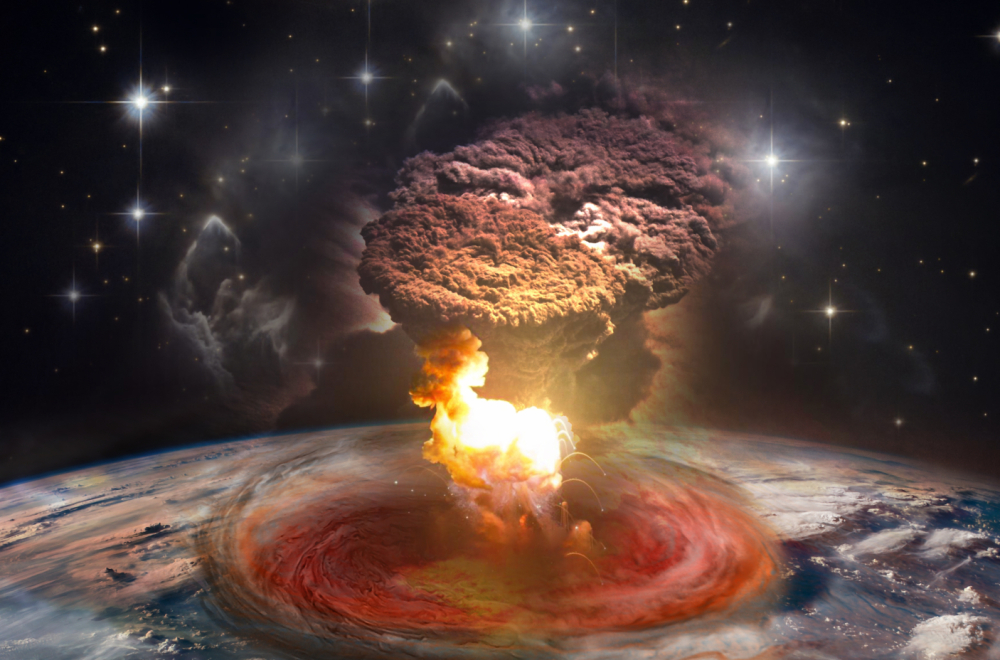
It is a scenario that military officials, intelligence agencies, and politicians have been warning about for several years: the detonation of a nuclear bomb in space.
Such an explosion could damage or destroy numerous satellites and would likely have devastating consequences on Earth as well. Satellites play an extremely important role in civilian life and military operations.
In February 2023, the United States was the first to issue an internal warning that Russia was placing nuclear weapons in space. Members of the U.S. Congress, who were briefed on the matter by intelligence agencies, later described it as a "serious threat to national security." However, that worst-case scenario did not materialize at the time.
Sputnik-S Satellite launch expected later this year?
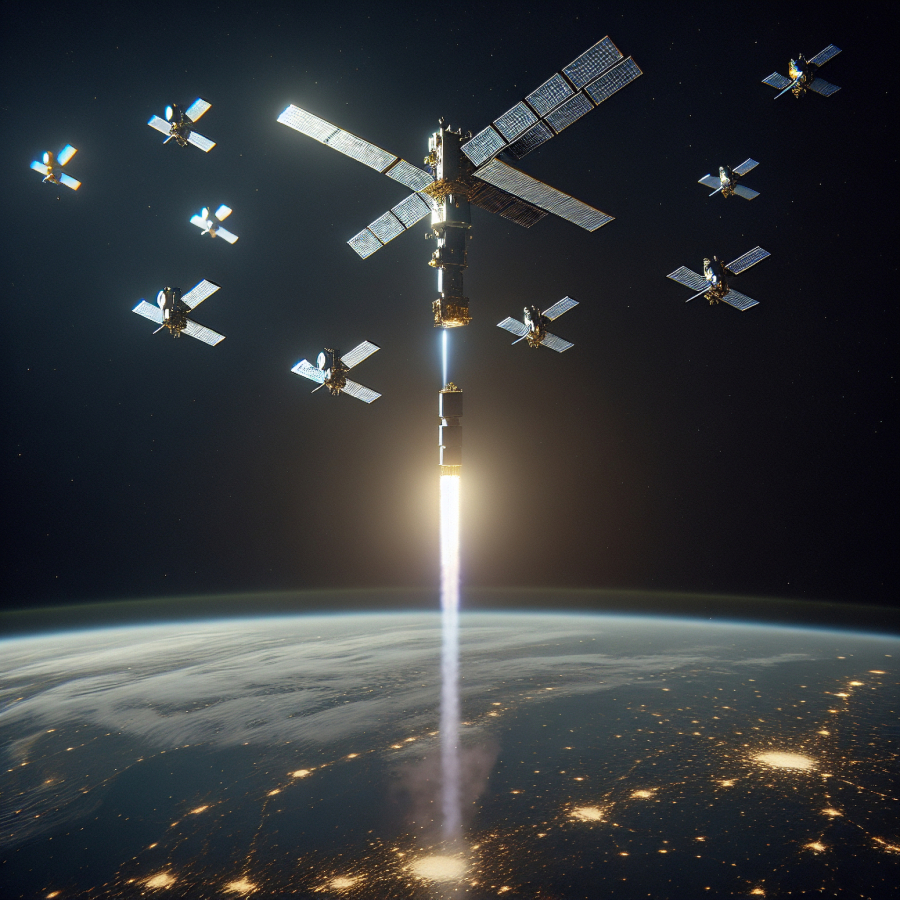
Russia is now reportedly planning to launch a satellite later this year that would actually be equipped with a nuclear explosive warhead.
According to an investigation by journalists from German public broadcasters WDR and NDR and the newspaper Süddeutsche Zeitung (SZ), this is the conclusion reached by Western intelligence agencies and military institutions, including the German armed forces, known as the Bundeswehr, and Germany's Federal Intelligence Service (BND).
Relevant information was recently shared among several NATO member states.
According to these findings, the satellite, which is reportedly to be called "Sputnik-S," was completed several years ago and stored in the wider Moscow area.
Warnings issued by intelligence agencies in early November, as revealed by the journalistic investigation, stated that the nuclear-armed satellite could be launched into space within the next 60 days.
Once in orbit, it would be ready for use within a very short period. According to an assessment by the German Armed Forces Space Command, "Sputnik-S" could be launched in December.
The German Ministry of Defense did not respond to specific questions about Moscow's possible plans, citing its obligation to maintain confidentiality.
In response to an inquiry, the Russian Embassy said it had no information about the events described.
"We categorically reject all unfounded insinuations concerning the space activities of the Russian Federation," the embassy stated, describing such claims as "part of a propaganda campaign."
Russia's "space exploration and utilization activities," the response stressed, are conducted "in accordance with international obligations" and serve "exclusively peaceful purposes."
U.S. Military warns of lack of countermeasures
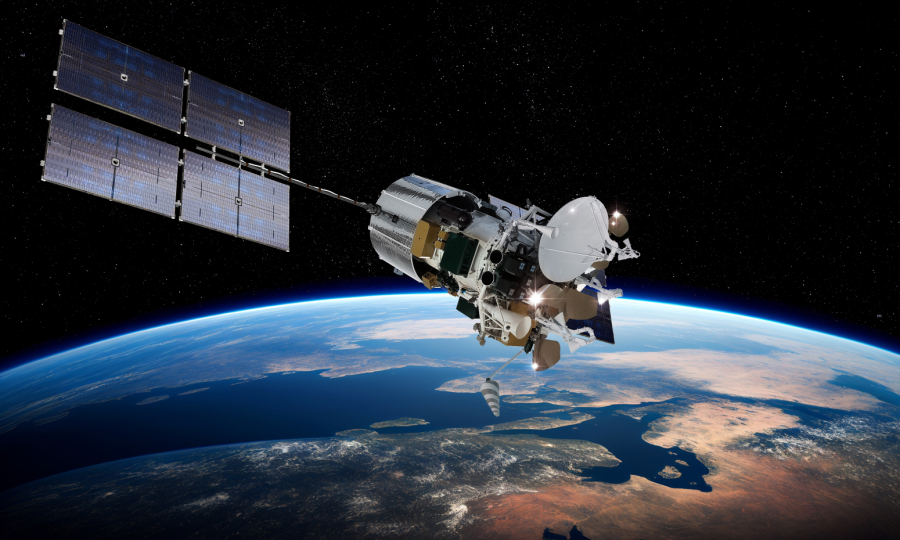
As early as October, the U.S. military intelligence agency DIA (Defense Intelligence Agency) published an assessment of the situation in space, stating that "Russia is developing a satellite designed to carry nuclear weapons."
The report goes on to emphasize that Moscow would thereby violate the 1967 Outer Space Treaty. The treaty prohibits "placing in orbit around the Earth any objects carrying nuclear weapons or any other types of weapons of mass destruction."
Deploying nuclear weapons in space would pose an enormous threat to the military. Once such an armed satellite entered Earth's orbit, there would be virtually no effective countermeasures, according to the DIA. The agency stresses that the use of such a weapon would probably be impossible to prevent.
According to expert assessments, the consequences of a nuclear explosion in space would be extremely serious.
U.S. Space Command chief General Stephen Whiting recently stated that "probably immediately, within the first few hours to several days, roughly one-third of all satellites in low Earth orbit would stop functioning." "Over the following months, the remaining satellites would gradually cease to function as well," he added.
Consequences for technical systems on Earth
Over the past several weeks, German military experts have reportedly also briefed representatives of the German government about the "Sputnik-S" satellite, including Defense Minister Boris Pistorius.
In addition to disabling civilian and military satellites, a nuclear detonation in space would likely create a cloud of space debris, threatening even satellites that were not directly hit by the explosion.
An additional challenge would be the extremely powerful electromagnetic pulse, which could also cause widespread disruptions to technical systems on Earth.
Protection or Defense?
Major General Armin Fleischmann of Germany's Cyber and Information Domain Command points out that, in the event of a detonation, "the consequences would be enormous for everyday life as well, including power outages and serious disruptions to communications and navigation."
Making domestic systems sufficiently "hardened," for example by protecting them with special materials, would entail enormous costs.
Fleischmann therefore proposes an alternative solution. Germany could develop defensive capabilities that would allow it to act against "hostile satellites, including those armed with nuclear weapons, and ideally neutralize them."
Western militaries are increasingly dependent on Satellites
Satellites are an indispensable part of everyday life in modern societies. A widespread failure of satellite systems would affect GPS navigation, banking transactions, power grids, and mobile phone networks.
In the military sphere, some weapons systems would become virtually unusable, while reconnaissance and communications between military units and with partner countries would be severely disrupted.
An investigation by WDR, NDR, and Süddeutsche Zeitung shows that the operational capabilities of Western armed forces depend considerably more on satellites than those of the Russian military. Consequently, a nuclear detonation in space could give Russia at least short-term military advantages in the event of a war, according to Western security sources.
Back in 1962, the United States detonated a nuclear bomb in space as part of its military project Starfish Prime, at an altitude of 400 kilometers above the Pacific Ocean.
The explosion produced a bright flash in the sky, while the electromagnetic pulse disabled streetlights in Hawaii, as well as telecommunications systems and other technical equipment. In addition, several satellites were destroyed, including the first British satellite and the first active American communications satellite.
Given that there are now more than 10,000 active satellites orbiting Earth, the consequences of such an event would be far more severe.
Kosmos-2553 as a test?
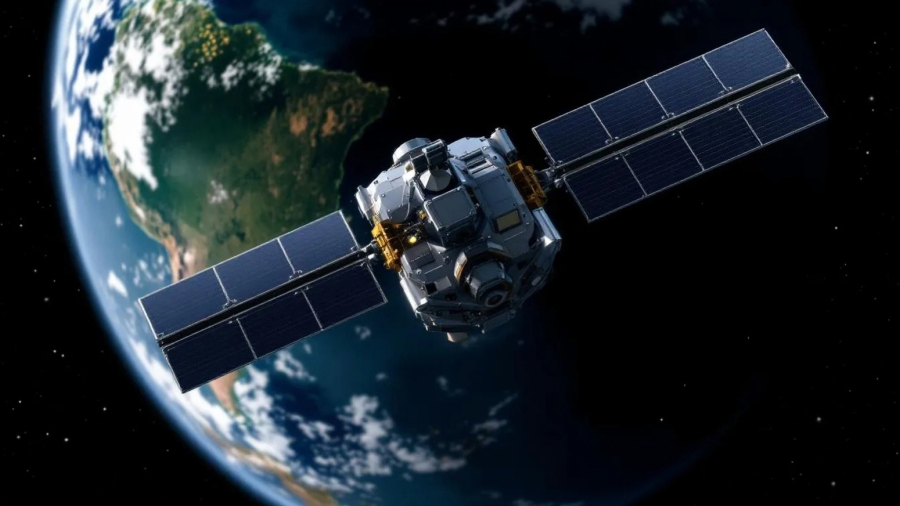
Western observers, including U.S. intelligence agencies, have paid particular attention in recent years to the Russian satellite Kosmos-2553. It was launched in February 2022, shortly before the start of Russia's full-scale invasion of Ukraine.
According to official Russian statements, the satellite was intended to conduct scientific research into radiation in space. However, Western intelligence agencies have serious doubts about this explanation.
According to information provided by German security sources to WDR, NDR, and Süddeutsche Zeitung, the current assessment is that Kosmos-2553 most likely served as a test platform for examining the effects of using nuclear weapons in space.
According to this assessment, the satellite served as a kind of "mock-up", designed to test how radiation affects satellites and at what level of exposure a satellite begins to suffer serious damage.
Western intelligence agencies suspect that Russia used Kosmos-2553 to test flight and maneuvering capabilities under conditions of intense radiation.
0 Komentari
Možda vas zanima

Rat – 1.731. dan: Totalno uništavanje; Više od 1.700 mrtvih Rusa; Novi talas napada FOTO/VIDEO
Rat u Ukrajini – 1.731. dan. Ruski predsednik Vladimir Putin pozvao je Ukrajince da, uprkos ratu i sadašnjim tragedijama, razmišljaju o budućnosti i udruže snage sa Rusijom radi ostvarivanja zajedničkih ciljeva.
23:49
21.11.2026.
1 d

Putin je, konačno, pristao?
Putin je navodno pristao na bezbednosne garancije za Ukrajinu bez američkih i NATO trupa. U slučaju nove ruske invazije, sankcije bi mogle biti ponovo uvedene, a trupe Alijanse bi takođe mogle da uđu na ukrajinsku teritoriju.
20:23
22.11.2026.
20 h

Partizan srušio šampiona ABA lige – Dubai "pao" posle drame u Areni; Penjaroja hvalio Nakića
Košarkaši Partizana su upisali pobedu nad ekipom Dubaija rezultatom 78:76 u devetom kolu Grupe B ABA lige i tako im naneli prvi poraz u sezoni u regionalnom takmičenju.
21:58
22.11.2026.
19 h

Otkriveni dramatični detalji "Ponoćnog čekića" FOTO
Kako je izgledala tajna američka operacija „Ponoćni čekić“, koja je u junu 2025. razorila iranska nuklearna postrojenja? Svedočenja pilota prvi put otkrivaju dramatične detalje misije.
23:18
22.11.2026.
18 h

Održane konsultacije: Čupić, Radaković, Bakić, Reljanović, Vučić i Jovanov
U Skupštini Srbije nešto posle 14.00 časova održane su konsultacije predstavnika poslaničkih grupa o daljem toku konstitutivne sednice, a u vezi sa izborom članova radnih tela i stalnog sastava parlamentarnih delegacija u međunarodnim institucijama.
14:38
23.11.2026.
2 h












Komentari 0
Pogledaj komentare Pošalji komentar