






13.10.2026.
11:22
Are the Russians broken? "Start preparing for war"
Ukraine has stabilized the front line and crippled Russia’s offensive capabilities by eliminating large numbers of troops, Ukraine’s Commander-in-Chief, Oleksandr Syrskyi, told the BBC.



This was his first interview since he was unexpectedly removed from his post this summer. In the interview, Syrskyi also responded to criticism of his leadership style and explained the circumstances surrounding his dismissal.
Syrskyi claims that total Russian casualties in the war are six times higher than Ukrainian losses. “If we count only those killed, the ratio is as high as 11 to one,” he stressed.
According to Syrskyi, the disparity in casualties, technological advances and a strategy of targeting weak points in Russian lines have led to the current stalemate on the front line.
In the first six months of 2026, Russia captured just 61 square kilometers. “This is an indication that the front line has stabilized,” the Ukrainian general said. This trend was also confirmed by the Institute for the Study of War (ISW), which stated in one of its recent reports that Moscow lost more territory than it gained in September.
Disagreements with Fedorov
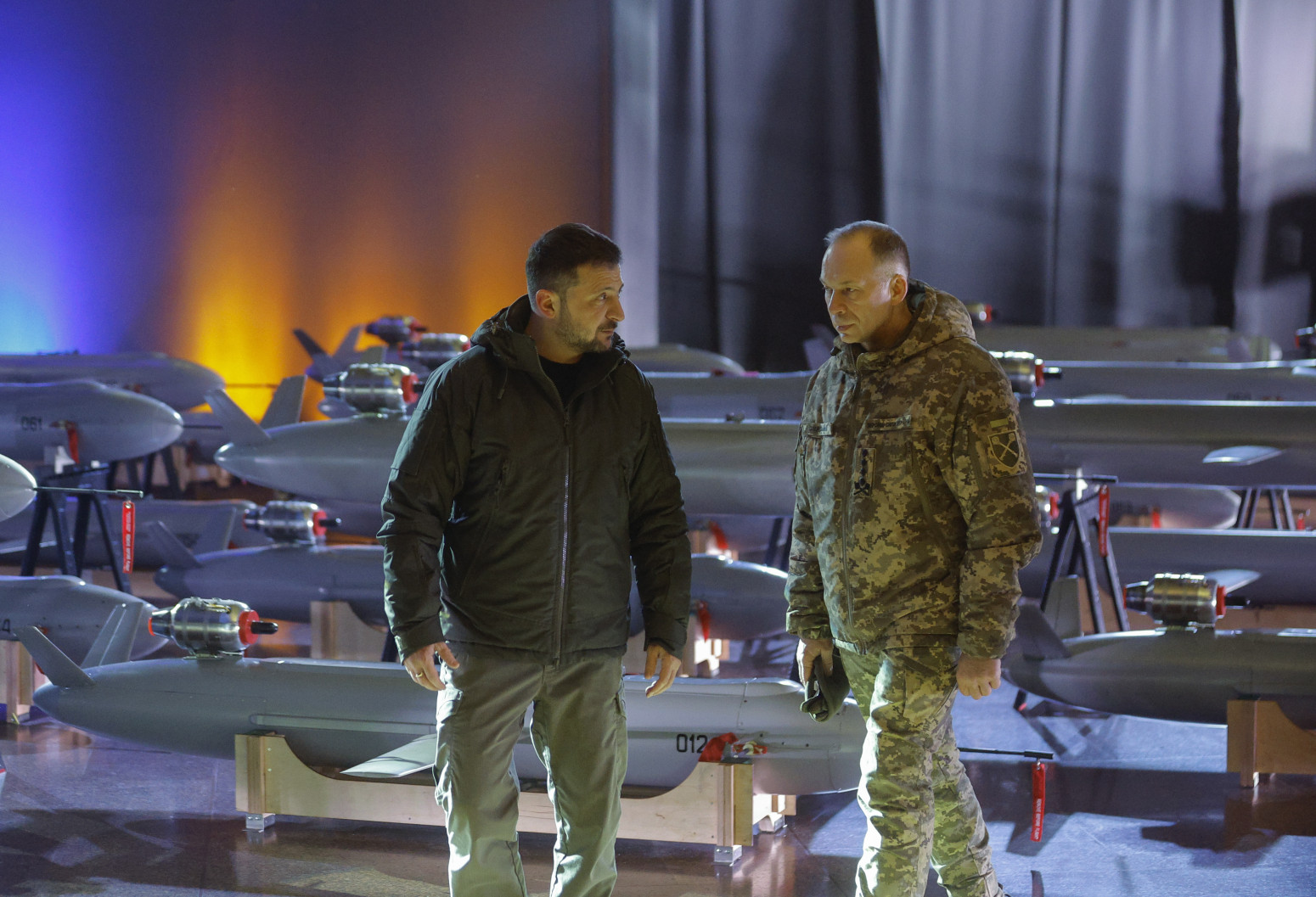
However, President Volodymyr Zelenskyy dismissed him this summer following a serious clash with then-Defense Minister Mykhailo Fedorov.
Fedorov argued that the military under Syrskyi’s leadership was failing to adapt to the changing realities of modern warfare and was blocking his initiatives.
Zelenskyy initially dismissed Fedorov after their dispute became public. However, mass street protests forced the president to dismiss Syrskyi as well, replacing him with 43-year-old Mykhailo Drapatyi.
Syrskyi said he had disagreements with Fedorov because the minister failed to take the military’s needs into account when procuring weapons. According to Syrskyi, Fedorov had created an imbalance in supplies.
He also claimed that the minister prioritized drones while neglecting essential equipment for the front line, including unmanned ground vehicles, pickup trucks and motorcycles.
Syrskyi added that even drones were in short supply, with the military receiving only half of the quantities it needed.
Responding to criticism
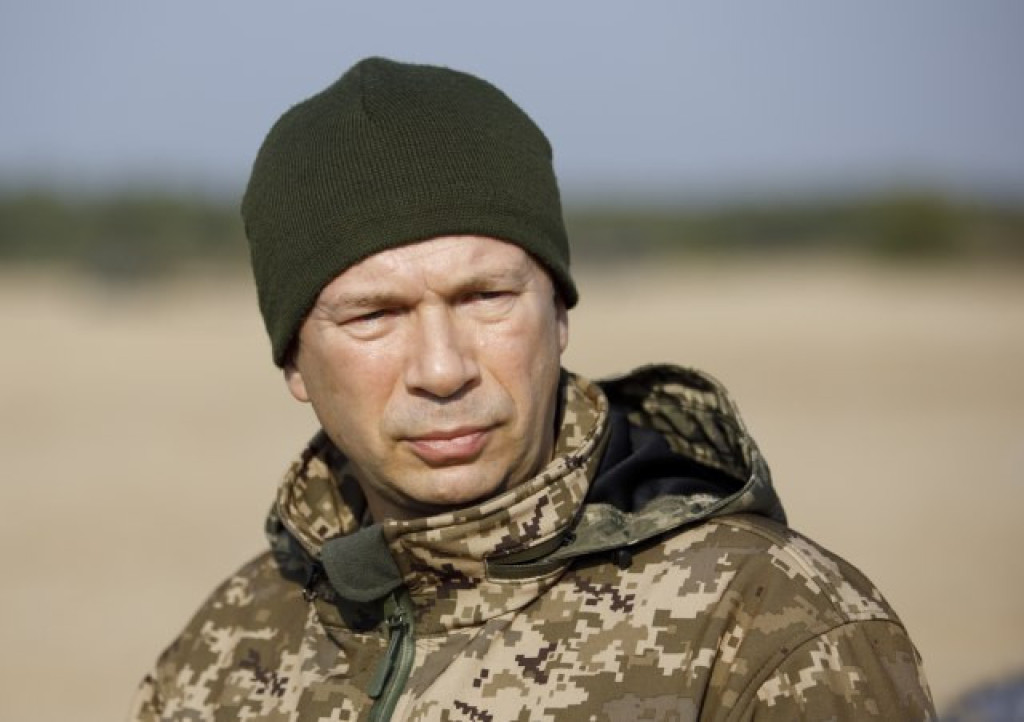
Syrskyi dismissed criticism that many viewed him as the polar opposite of Fedorov and that he was not the right person to lead the technological race against Russia.
Syrskyi stressed that it was during his tenure that the use of drones reached unprecedented levels, including strikes deep inside Russian territory. Under his command, Ukraine became the first country to establish Unmanned Systems Forces as a separate branch of the military. Today, he said, drones are responsible for 80% of Russian casualties.
Syrskyi also explained that in 2025, the ratio of aircraft and bombs was 18 to one in Moscow’s favor, while Russia also had two and a half times as much artillery. With four million military-trained people available for mobilization, Russian forces can always find an opportunity to break through, Syrskyi further claimed.
It is also worth recalling that one of the best-known operations under Syrskyi’s command was the incursion into Russia’s Kursk region in August 2024, which ended in a dramatic withdrawal the following spring. Some soldiers described the operation as a disaster, but Syrskyi insists it was necessary.
“In the summer of 2024, Russian forces were pressing forward along all major fronts with up to six times as many troops as we had,” he explained. According to him, the incursion into Kursk disrupted Russia’s offensive and forced Moscow to redeploy its troops. This gave exhausted Ukrainian brigades in the east and south an opportunity to recover.
“Start preparing for war”
Syrskyi also had a stern message for European allies who doubt Russia’s territorial ambitions beyond Ukraine.
He urged European partners to start preparing for war now and to “abandon all illusions that it will not come.”
He also believes that the war in Ukraine will become even more technologically advanced, with greater use of robots, automated systems and artificial intelligence.
“Even conventional weapons are now being equipped with AI-based control systems to improve their capabilities,” Syrskyi said.

0 Komentari
Možda vas zanima

Poznati lanac zatvara 150 prodavnica: U toku su rasprodaje na više lokacija
Diskontni lanac KiK nastavlja da smanjuje broj svojih prodavnica u Nemačkoj. Tokom 2026. godine planirano je zatvaranje oko 150 objekata, dok bi istovremeno trebalo da bude otvoreno svega petnaestak novih.
16:19
11.10.2026.
1 d

Rat – dan 1.691: Rusija udarila na energetiku Ukrajine; Putin nudi rešenje?; "Evropi preti haos" FOTO/VIDEO
Rat u Ukrajini – 1.691. dan. Kremlj poručio da je ruski predsednik Vladimir Putin spreman na obustavu napada tokom izbora u Ukrajini. Za to vreme, evropske bezbednosne službe upozoravaju na moguće nove ruske operacije protiv članica NATO-a.
23:44
12.10.2026.
12 h

Rat – dan 1.690: Primirje prekršeno; Rusija udarila na Harkov; Evropi stiglo mračno upozorenje FOTO/VIDEO
Rat u Ukrajini – 1.690. dan. Američki predsednik Donald Tramp objavio energetsko primirje između Rusije i Ukrajine, za koje ukrajinski predsednik kaže da je prekršeno. Na frontu se nastavljaju napadi, a Kijev i Moskva razmenjuju optužbe i upozorenja.
23:50
11.10.2026.
1 d

Uzbuna u Crnom moru; Bugarska odmah traži pomoć NATO-a
Bugarska je zatražila tehničku pomoć Evropske unije i NATO-a u nastavku istrage o napadima dronovima na dva trgovačka broda u bugarskoj isključivoj ekonomskoj zoni Crnog mora.
22:05
12.10.2026.
14 h

Niko kao Vlahović u 21. veku – Srbin ispisao istoriju Bešiktaša!
Srpski fudbaler Dušan Vlahović nastavio je golgetersku seriju u dresu Bešiktaša i postao prvi igrač ovog kluba u 21. veku koji je na debiju vezao četiri utakmice sa najmanje jednim golom.
19:30
11.10.2026.
1 d












Komentari 0
Pogledaj komentare Pošalji komentar