






12.06.2026.
12:09
The pact has been concluded
The European Migration Pact, a comprehensive legislative package establishing common rules for migration management, border control, and asylum procedures, begins to apply today in all member states.



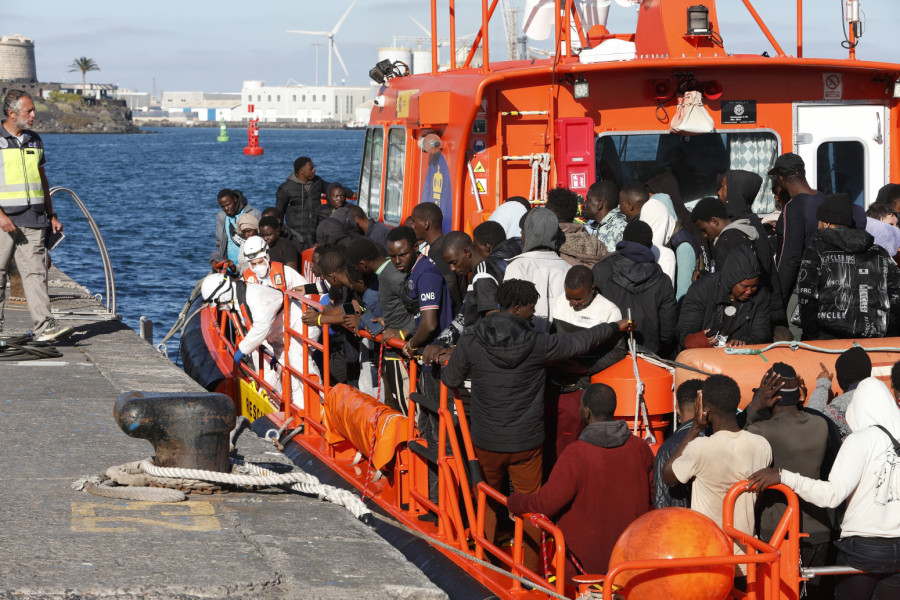
The comprehensive reform is based on proposals put forward by the European Commission in 2020, after an earlier draft presented following the major migration crisis of 2015 and 2016 failed to pass.
It was finally adopted in May 2024, and Member States were given two years to prepare for its implementation.
The key element of the pact is mandatory solidarity among Member States in cases where one or more of them face disproportionate migratory pressure.
In such cases, other Member States will be able to choose between taking in asylum seekers from the affected country, making a financial contribution to a common fund for migrant support, or providing operational and technical assistance.
Member States facing significant migratory pressure will be able to rely on support from a solidarity fund, which can be contributed to in three ways: financial payments, technical support through equipment or experts, or by accepting migrants.
Croatia may request an exemption
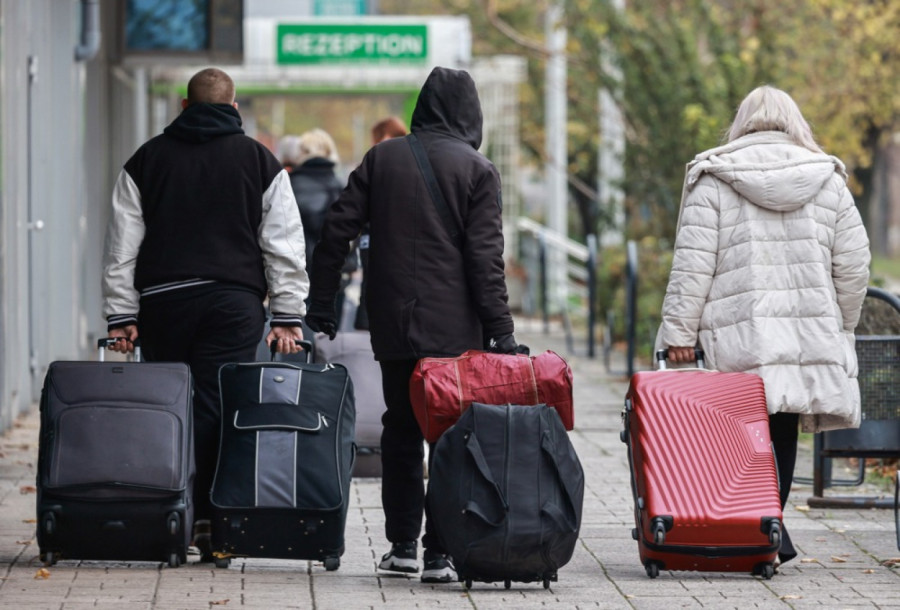
The four countries under the greatest pressure—Cyprus, Greece, Italy, and Spain—will be able to request assistance from the solidarity fund. This includes the relocation of 21,000 asylum seekers or financial support of up to €420 million from the EU budget.
These figures were agreed for the period from June 12 to the end of 2026, after which new annual allocations will be determined depending on needs.
Six countries—Austria, Bulgaria, Czech Republic, Estonia, Croatia, and Poland—which the Commission has determined have cumulatively faced migratory pressure over the past five years, are entitled to request full or partial exemptions from the obligation to contribute to the solidarity mechanism.
The pact introduces stricter and faster procedures directly at the EU’s external borders for individuals coming from countries with low asylum approval rates.
The aim is to more quickly determine who qualifies for international protection and who must be returned to their country of origin.
The procedure can last a maximum of 12 weeks
0 Komentari
Možda vas zanima

Objavljeni rezultati izbora: Evo kako je Srbija glasala FOTO/VIDEO
Vanredni parlamentarni izbori održani su 25 oktobra u Srbiji. Lista "Aleksandar Vučić – Ujedinjena Srbija" izgubila je na izborima, dok je pobedu odnela "Studentska lista".
22:55
25.10.2026.
1 d

Vučić: "Pobedila je politika Nataše Kandić"; "Imaćemo oko 105 mandata, 'Studentska lista' 135 do 140" VIDEO
Nosilac liste "Aleksandar Vučić - Ujedinjena Srbija" Aleksandar Vučić izjavio je večeras da je ta lista izgubila na današnjim vanrednim parlamentarnim izborima i da je pobedila "Studentska lista", a da će u parlament ući još i Savez vojvođanskih Mađara.
21:40
25.10.2026.
1 d

Bez 35 evra nema ulaska u Crnu Goru: Od 1. novembra na snagu stupa nova uredba u komšiluku
Od 1. novembra ruskim građanima će biti potrebna viza za ulazak u Crnu Goru.
19:10
26.10.2026.
17 h

Najnoviji podaci o rezultatima izbora u Srbiji
Prema projekcijama IPSOS-a i Centra za slobodne izbore i demokratiju (Cesid), na osnovu 75 odsto obrađenog uzorka, na parlamentarnim izborima "Studentska lista" osvojila je 52,4 odsto glasova, a lista "Aleksandar Vučić - Ujedinjena Srbija" 39,2 odsto glasova.
23:34
25.10.2026.
1 d

Opet se oglasio RIK – najnoviji podaci o tome kako je Srbija glasala
Republička izborna komisija (RIK) objavila je rezultate parlamentarnih izbora na osnovu 8.077 obrađenih biračkih mesta po kojima je Studentska lista dobila 2.211.400 glasova, odnosno 52,54 odsto.
8:16
26.10.2026.
1 d












Komentari 0
Pogledaj komentare Pošalji komentar