






06.04.2026.
10:30
How Hitler ordered the bombing of Yugoslavia: Drawn into the war without a declaration
The Kingdom of Yugoslavia was drawn into World War II by the aggression of Nazi Germany on April 6, 1941, 85 years ago. After the coup in Belgrade on March 27, Hitler, in a fit of rage, ordered the destruction of Yugoslavia.



The aggression began in the early morning hours of April 6, and alongside Germany, Italy, Hungary, and Bulgaria also took part in the attack.
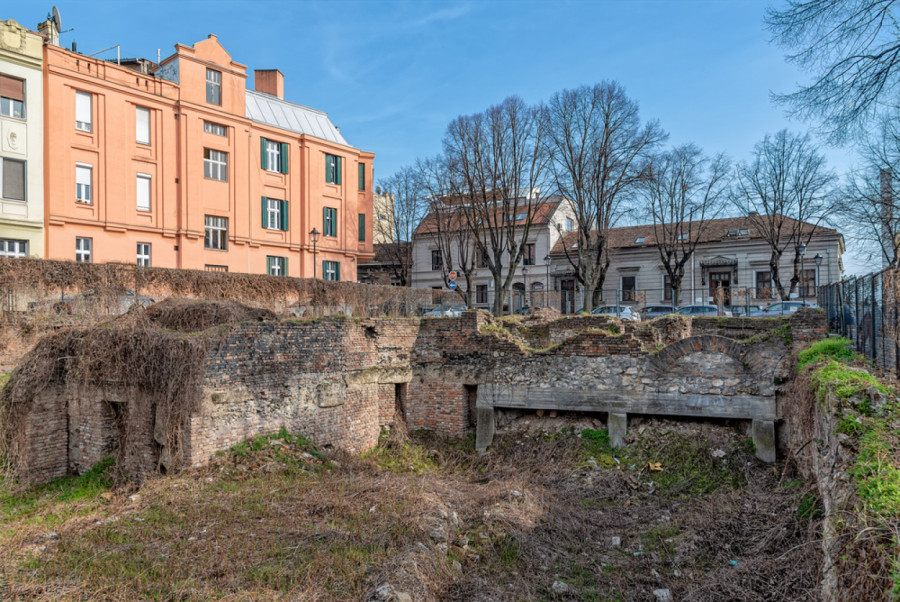
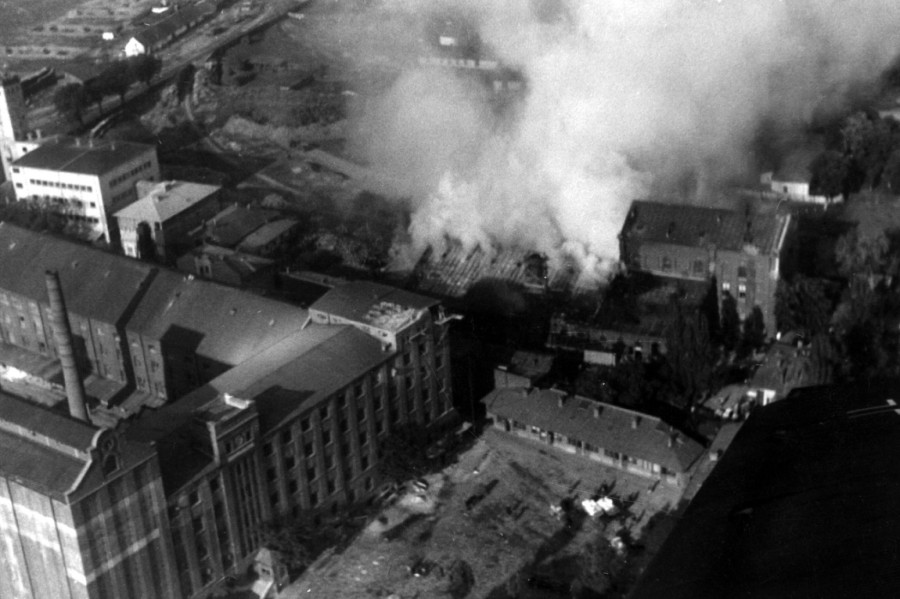
The brutal destruction of Belgrade—despite it having been declared an open, undefended city—began at 6:30 a.m. on April 6, 1941. As far as is known, 484 German aircraft took part in the two-day assault, including 234 bombers with escort and 120 fighters. During four waves on April 6, followed by additional attacks the next day, and then on April 11 and 12, around 440 tons of bombs were dropped on the city.
It is estimated that 2,274 people were killed, with some estimates going up to 4,000. A total of 2,228 buildings were destroyed, of which 627 were completely demolished, while nearly 7,000 were damaged. Among other losses, the National Library burned down—it was not directly hit, but was engulfed in flames.
The city was heroically defended by the Sixth Fighter Regiment, along with air defense units. At least 42 German aircraft were shot down, and 11 Yugoslav pilots were killed.
The April War ended with the capitulation of the Yugoslav army on April 17, while the coup government of Dušan Simović had left the country two days earlier.
Drawn into the war
The coup in Belgrade on March 27 was accompanied by mass enthusiasm in the streets of Belgrade, as well as in other parts of Serbia, and also in Skopje, Sarajevo, and Split. Anti-German sentiment was evident. One of the accusations from Berlin was that members of the German minority in Yugoslavia were being persecuted. This was an exaggeration, although some incidents did occur.
Yugoslavia was thus drawn into World War II, even though Dušan Simović’s government emphasized a neutral stance and even announced that accession to the pact remained in force, claiming the coup was merely an internal matter.
The government had, in fact, been informed in advance of the exact timing of the attack on Belgrade by the military attaché of the Kingdom of Yugoslavia in Berlin, Colonel Vladimir Vauhnik.
0 Komentari
Možda vas zanima

Partizan srušio Zvezdu; Pajola heroj! Karlik: "Nemam reči"; Italijan objasnio pobedu crno-belih
Košarkaši Partizana pobedili su Crvenu zvezdu rezultatom 85:82 u 7. kolu Evrolige.
23:57
22.10.2026.
1 d

Neverovatni prizori u 150 mesta u Srbiji: Okupljanja i podrška listi "Ujedinjena Srbija"; Orio se "Ruzmarin"
Građani Srbije u 150 gradova i sela organizovali su skupove poslednjeg dana izborne kampanje kako bi iskazali podršku listi "Aleksandar Vučić – Ujedinjena Srbija".
22:19
22.10.2026.
1 d

Zvezda umalo opet sve prosula; Rijera nije zabrinut; Elšnik neće da "baca saigrače pod autobus"
Fudbaleri Crvene zvezde remizirali su sa Kopenhagenom 2:2 na stadionu "Rajko Mitić" u drugom kolu Lige konferencije.
22:14
22.10.2026.
1 d

Stigao predlog za kraj rata
Časopis "The Economist" izložio je "konture" američkih mirovnih planova za kraj rata u Ukrajini. Predlozi SAD uključuju stvaranje demilitarizovane zone u Donbasu, ublažavanje sankcija protiv Rusije i investicioni paket za Kijev.
10:29
23.10.2026.
1 d

Rat – dan 1.671: Rusi ponovo napali Kijev; Putin: "Možemo da postignemo dogovor" FOTO/VIDEO
Rat u Ukrajini – 1.671. dan. Rusi su u toku noći pokrenuli novi udar na Kijev. Ruski predsednik Vladimir Putin izrazio je danas uverenje da Rusija i Ukrajina mogu da postignu dogovor.
23:58
22.10.2026.
1 d












Komentari 0
Pogledaj komentare Pošalji komentar