






03.10.2025.
8:30
Entry into Schengen: Everything is changing – new rules at four borders with Serbia
What awaits our citizens as early as next week, and how can they best prepare for the new rules?
Izvor: B92.net
Autor: Višnja Vasić
-orig-orig.png)



As of October 12, entering the European Union will no longer be the same, as citizens of Serbia and all other non-Schengen countries will face the completely new Entry/Exit System (EES).
Biometrics, digital records, strict monitoring of the 90-day stay rule – all this means greater security, but also more questions for our travelers.
Will border crossings take longer, who will have to provide fingerprints, and what will happen to those who work and live in the EU?
What do we know about the new border-crossing system?
The Ministry of Internal Affairs of the Republic of Serbia has issued an official statement regarding the implementation of the new border-crossing procedure.
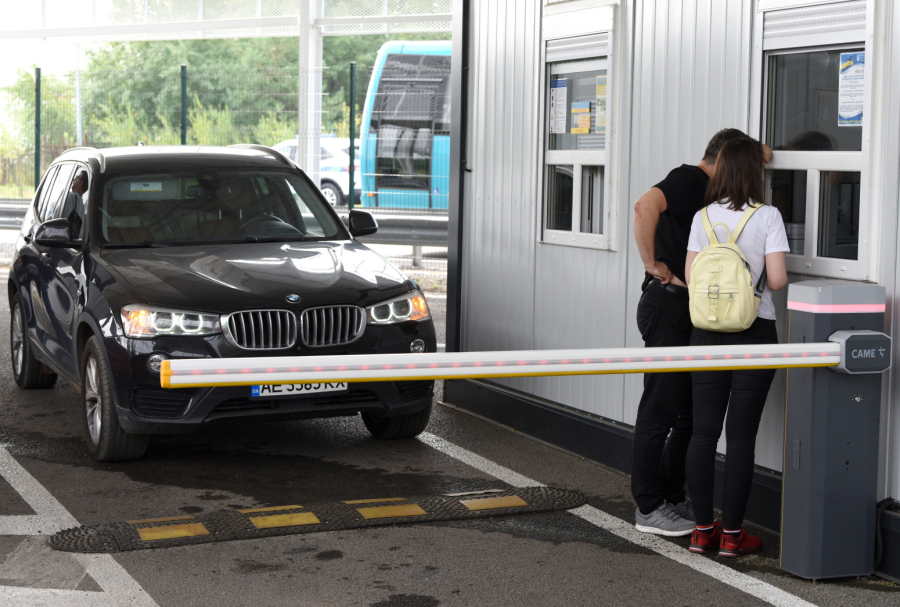
The Republic of Serbia borders four EU member states, and the EES system will also apply to Serbian citizens when entering the Republic of Croatia, the Republic of Bulgaria, Romania, and Hungary.
In the initial phase, the system will be activated at certain border crossings and with limited working hours, meaning selectively.

At which border crossings will implementation begin?
In the Republic of Croatia, implementation begins at the Batrovci–Bajakovo crossing and at Zagreb Airport.
In the Republic of Bulgaria, at the Gradina–Kalotina crossing.
In Romania, at the Kaludjerovo–Naidaš crossing.
In Hungary, the system will be introduced in phases from October 28 to November 11, 2025, at the Tompa, Horgoš, Bački Vinogradi, Bačalmaš, Bački Breg, Rabe–Kibekhaza crossings, and others.
For persons without regulated residence who carry out certain work in Hungary and cross the border daily, registration will begin on November 1, 2025.
What does this mean for Serbian citizens when entering the EU?
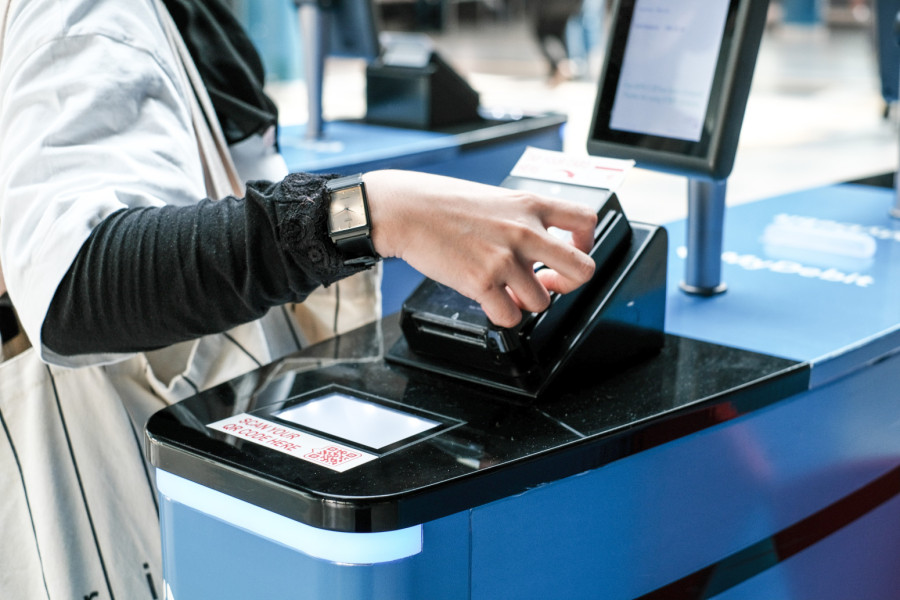
Only upon the first entry into a country that applies the EES, border control will include taking fingerprints from four fingers, a facial photograph, and the entry of personal and travel data into the system.
Minors over 12 years of age are subject to registration, while those under 12 will not be recorded.
Between October 12, 2025, and April 10, 2026, passports will still be stamped for all travelers, regardless of whether an EES file has been created.
The Ministry appeals to citizens to take into account possible longer waiting times at border crossings during the initial phase of system implementation and to obtain timely information about the conditions at specific crossings when planning their trips.
What is the EES system?
The EES system will not involve any charges yet.
The Entry/Exit System (EES) will be gradually introduced at the external borders of 29 European countries over a period of six months. These European countries will implement different components of the EES in phases, including the collection of biometric data such as facial photographs and fingerprints.
If you refuse to provide your biometric data, you will be denied entry into the European countries that apply the EES.
Everything about this system, which will already be introduced in some countries this autumn, can be found in a separate text.
What is ETIAS and when does it start?
ETIAS is a set of protocols required for entry into the EU for nationals of third countries who are exempt from needing a visa for the EU.
It is part of the new EU IT architecture aimed at strengthening security within the Union while at the same time facilitating travel for non-EU nationals. When the regulation was adopted, a fee of 7 euros was set.
Its implementation has been postponed several times, but the European Commission announced that ETIAS should come into force in the last four months of next year, with the fee increased.
According to the EC, taking into account the rise in inflation since 2018, as well as additional operating costs related, for example, to new technical functionalities of the system, the fee will be adjusted to 20 euros per application, valid for three years.
A travel document that does not meet international standards may be rejected during the application process.
Total collapses expected when traveling to the EU
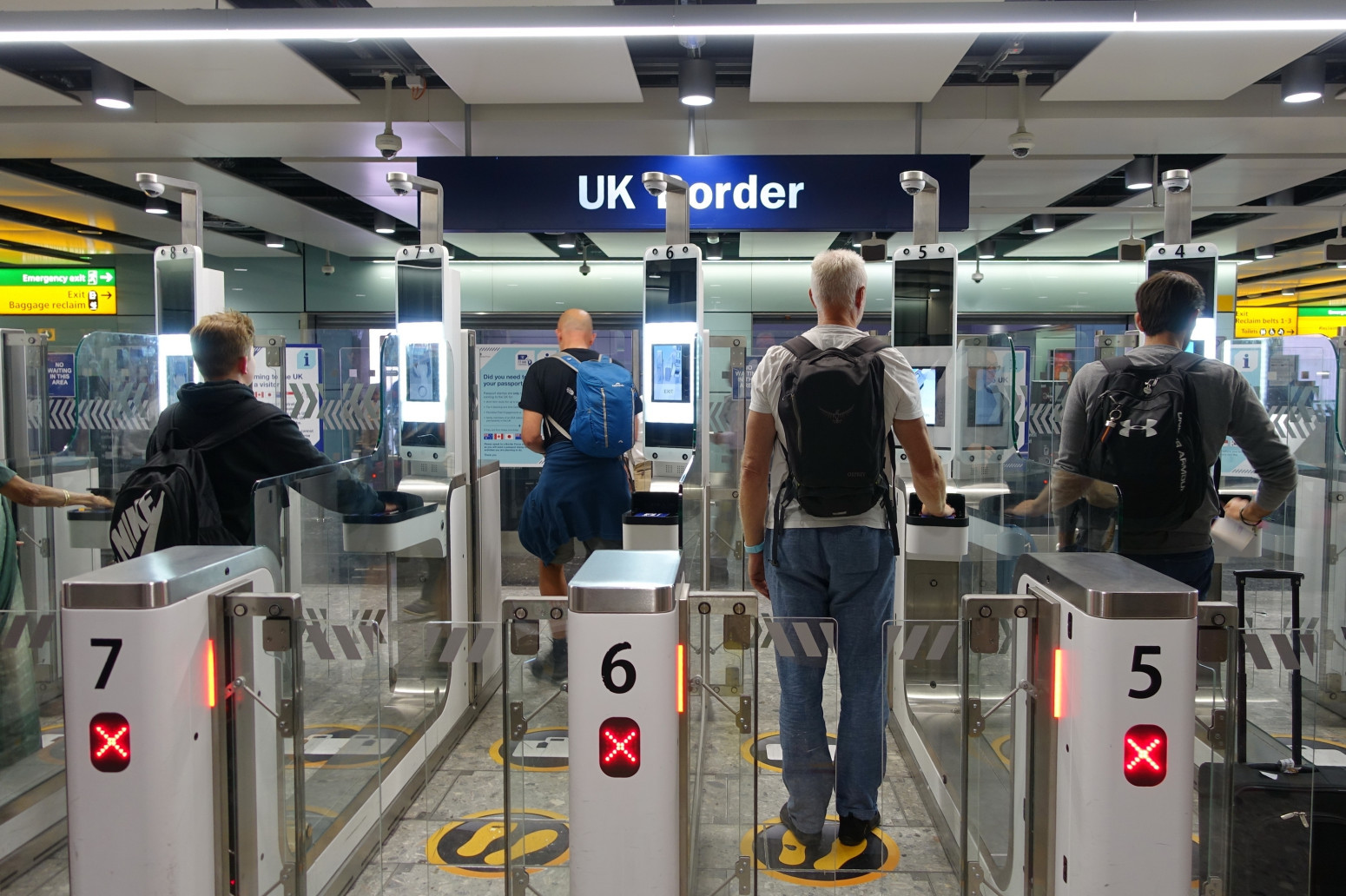
The new Entry/Exit System (EES) will begin implementation in October. With its launch, long queues and delays are expected at border crossings, as well as at airports.
The most vulnerable airports in case of EES system problems are:
-
Athens
-
Bucharest
-
Milan Malpensa
-
Budapest
-
Berlin
-
Vienna
-
Rome Fiumicino
-
Amsterdam
-
Copenhagen
-
Prague
0 Komentari
Možda vas zanima

Partizan srušio Zvezdu; Pajola heroj! Karlik: "Nemam reči"; Italijan objasnio pobedu crno-belih
Košarkaši Partizana pobedili su Crvenu zvezdu rezultatom 85:82 u 7. kolu Evrolige.
23:57
22.10.2026.
22 h

Neverovatni prizori u 150 mesta u Srbiji: Okupljanja i podrška listi "Ujedinjena Srbija"; Orio se "Ruzmarin"
Građani Srbije u 150 gradova i sela organizovali su skupove poslednjeg dana izborne kampanje kako bi iskazali podršku listi "Aleksandar Vučić – Ujedinjena Srbija".
22:19
22.10.2026.
1 d

Zvezda umalo opet sve prosula; Rijera nije zabrinut; Elšnik neće da "baca saigrače pod autobus"
Fudbaleri Crvene zvezde remizirali su sa Kopenhagenom 2:2 na stadionu "Rajko Mitić" u drugom kolu Lige konferencije.
22:14
22.10.2026.
1 d

Rat – dan 1.671: Rusi ponovo napali Kijev; Putin: "Možemo da postignemo dogovor" FOTO/VIDEO
Rat u Ukrajini – 1.671. dan. Rusi su u toku noći pokrenuli novi udar na Kijev. Ruski predsednik Vladimir Putin izrazio je danas uverenje da Rusija i Ukrajina mogu da postignu dogovor.
23:58
22.10.2026.
22 h

Rat – dan 1.670: Ukrajina spremna za sporazum; Važan razgovor Putina i Trampovog izaslanika FOTO/VIDEO
Rat u Ukrajini – 1.670. dan. Ukrajina je spremna da prihvati mirovni sporazum koji će zamrznuti rat na trenutnoj liniji fronta, izjavio je danas ukrajinski predsednik Volodimir Zelenski u intervjuu za Foks njuz.
23:55
21.10.2026.
1 d












Komentari 0
Pogledaj komentare Pošalji komentar