






16.11.2026.
9:57
This is the Student List's plan for the Serbian Armed Forces, military security services, and defense industry
Promoting military careers, respecting professional services, and ensuring the balanced and rational development of all branches of the armed forces are the main objectives of the new government’s plan for the Ministry of Defence and the Serbian Armed Forces.



Student List representative and member of its defence policy working group, Luka Ponorac, said in an interview with RTS that the modernization of the Serbian Armed Forces would continue.
"The plan of the Student List and the student movement, which I represent and for which I was one of the experts involved in drafting this programme, is to continue building a stable, modern defence system based on improving the functional and operational capabilities of the Serbian Armed Forces.
This is intended to be implemented through several measures. The most important is the balanced and appropriate development of all branches, arms and services of the military. Above all, the emphasis and priority will be placed on a resource that has been neglected for a very long time: human resources. Naturally, improvements in personnel must be accompanied by improvements in equipment, infrastructure projects, modernization and the procurement of military equipment.
Our goal and responsibility is to ensure that military personnel genuinely feel like an important part of society and to improve the living standards of all members of the armed forces, from officers to civilian employees. We also want to enable their institutions and the entire system to function properly, return to their designated responsibilities and focus on the tasks they are supposed to perform, rather than carrying out functions imposed on them by political structures over the past 15 years," Ponorac said.
Who drafted the programme?
"To my personal surprise, some truly extraordinary and talented students took part in drafting this programme, demonstrating remarkable knowledge in this field. This was genuinely a surprise to me. Naturally, experts with outstanding professional credentials in this area were also involved.
I personally graduated from the Military High School and the Military Academy and worked within the system as a member of the armed forces, serving as an officer in the technical services. As a result, all these issues have been examined in detail," he said.
What will happen to the military budget? Will you increase or reduce defence spending?
"Given the security risks and the strategic development plans not only of our own armed forces but also of the militaries in our neighbourhood and the wider region, it would be completely politically irresponsible for anyone to say they intend to cut the budget.
Particularly if the plan is to improve the entire system, the living standards of military personnel and their material and financial conditions, then reducing the budget is out of the question.
One of the specific objectives of this working group, and of the movement as a whole, is to increase defence spending. So far, budget projections for the military have generally ranged between 2% and 2.5% of GDP. One of the goals set out in the programme is to work towards increasing this figure to 3%, with the aim of eventually reaching the 5% allocated by NATO member countries in our immediate and wider region.
On the one hand, this would mean increasing spending to meet our own objectives and requirements, while also keeping pace with the development of armed forces in our neighbourhood. That is the plan and one of the key principles of our programme.
However, one important factor must be emphasized: we do not yet know what financial situation we will inherit in the state budget. The budget allocation and adoption process has not yet taken place. We are not part of the government, nor have we come to power. We have no information whatsoever about the financial situation within the system.
This will largely determine whether the budget remains at its current level or whether there is room for an increase. In any case, our task is to work towards increasing it."
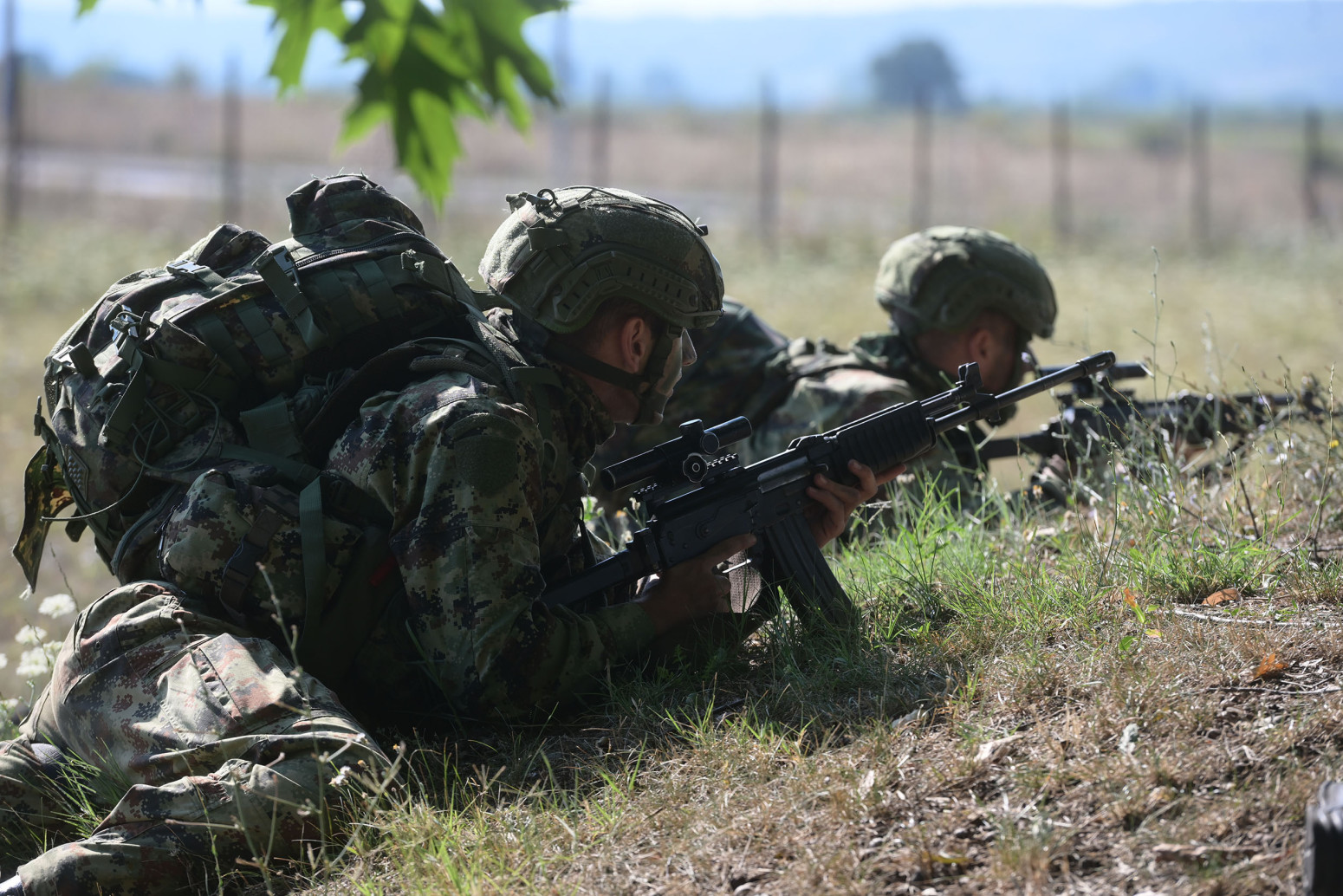
"What is even more important than increasing the budget is how it is allocated. You can increase the defence budget by 10%, but if the funds are spent for purposes other than those for which they were intended, or are improperly allocated, that increase will have no effect.
What I witnessed during my own service, and what anyone who has served at the lowest levels of the military has also seen, is that these funds are very often allocated in an inappropriate manner. An increasingly large share of the budget is being spent on external services, while the share allocated to work carried out using the military's own resources and capabilities is declining.
In addition to the misuse of funds, with external contractors unfortunately looking to extract as much money as possible from the military, there is also the problem of neglecting our own capabilities, which are considerable and should not be underestimated.
This creates yet another problem: military personnel have no work to do and sit idle in barracks while services are outsourced to external providers, whose work is often of very poor quality. That is why we are seriously planning to address the reallocation of funds within the defence system," he told RTS.
Asked whether the Student List intends to continue with plans to reinstate compulsory military service once it takes over all positions within the defence system, Ponorac said:
"That is correct. I believe that more than 200 facilities have already been repurposed and renovated. If I am not mistaken, and I don't think I am, the plan is for compulsory military service to begin in March and last 75 days.
However, one important point needs to be made: the training of recruits reporting for military service cannot be carried out by repurposed facilities, buildings or newly purchased equipment. It must be carried out by personnel.
It seems to me—and I hope I am wrong—that the discussion about reintroducing compulsory military service has been more populist in nature than the result of an objective and realistic assessment of the situation, particularly when it comes to human resources.
If we look at the situation between 2016 and 2020, there was a massive outflow of personnel..."
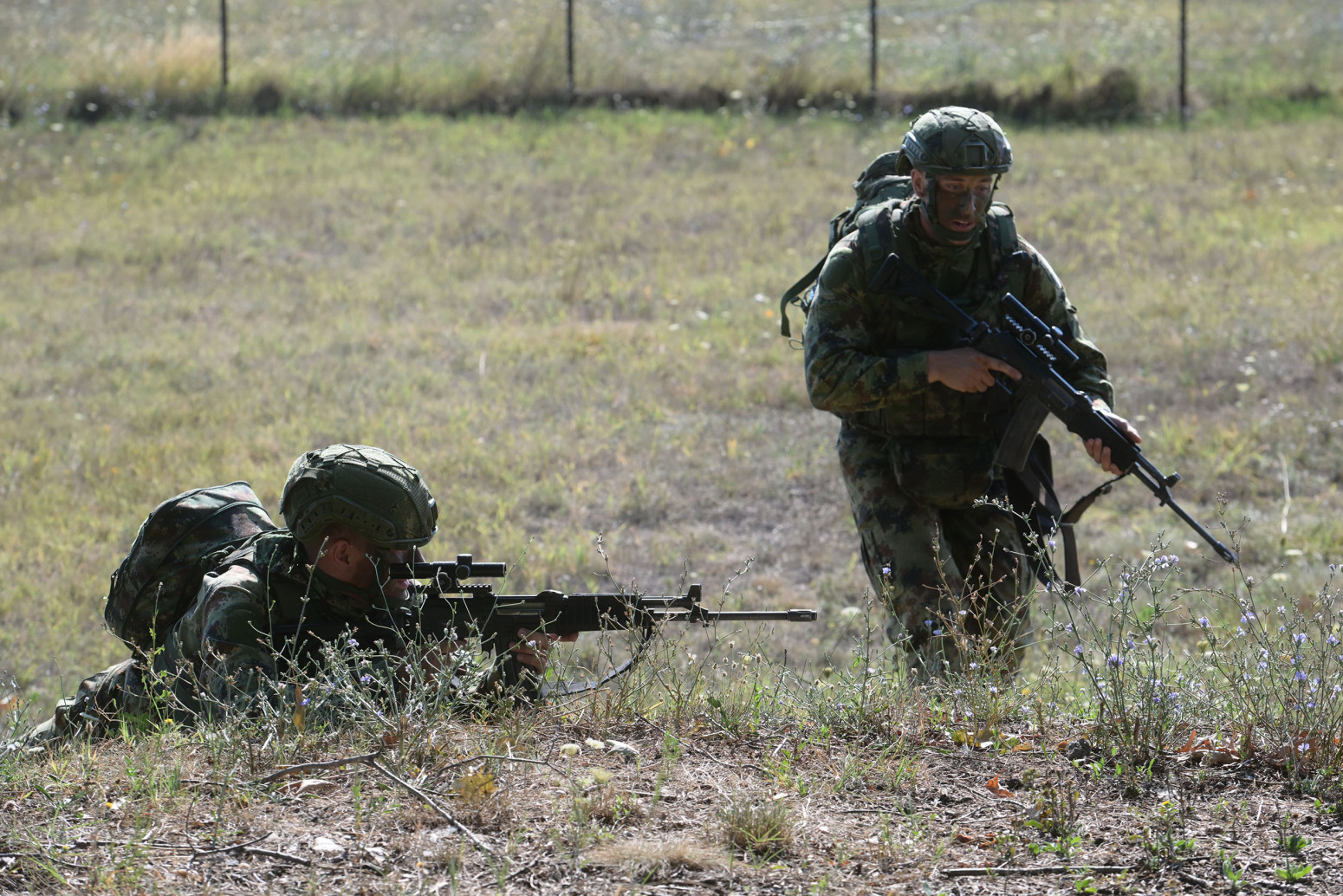
"I will give you an example from my graduating class, which completed the Military Academy in 2015. A total of 158 officers were commissioned. We recently met up and counted how many of us were still serving. Around 60 officers from that single graduating class have already left the military.
Among the students I have met over the past two years, a large number of young men had completed voluntary military service, and every one of them reported the same experience: a lack of proper training, with most of their time spent cleaning barracks grounds and providing physical security for facilities.
If we are serious about addressing the issue of compulsory military service, which certainly has significant advantages, particularly if the military is experiencing personnel shortages, we must first conduct a thorough assessment of the available personnel who would be responsible for training recruits, both in basic and specialist skills, as well as providing for their food and accommodation.
This issue realistically requires time. We need to assess the condition of the system and determine whether we actually have the capacity to implement such a programme."
Will the modernization and procurement of weapons and military equipment continue?
"Modernization and the procurement of weapons and military equipment have never stopped, and they must not stop. Therefore, they will not stop now either. However, procurement and modernization must be carried out according to a clearly defined plan and through the competent authorities and institutions. They must not be conducted arbitrarily, but must be based on actual needs and the requirements identified by the military units responsible for specific operational tasks.
In the past, I don't know whether these institutions are still active, but there were bodies known as the Councils of Arms and Services. There was an Engineering Corps Council, an Artillery Council and others, where the most knowledgeable and experienced members of each branch or service identified their actual equipment requirements.
They would submit tactical and technical specifications, after which an assessment would be made of whether we had the domestic capacity to manufacture the required equipment or whether it would need to be procured from abroad.
If we decide to purchase equipment, we must acquire what the military units responsible for operational requirements have requested, provided it is consistent with the doctrine governing the use of the armed forces and the system's actual security needs.
It must not happen that a military unit requests equipment with specific characteristics but receives something entirely different simply because of the personal preferences or inclinations of an individual or group of individuals.
The same applies to modernization projects. There is an established process and procedure. The military unit responsible for the operational requirement specifies what it needs and the available domestic capabilities. The Military Technical Institute should lead the project, not some trading companies or similar businesses.
The Military Technical Institute would then engage the necessary partners, involve the defence industry and oversee the implementation of the project.
It is also established that the equipment must subsequently undergo testing, which is the responsibility of the Technical Test Centre. It must not happen that equipment is purchased, fails to pass testing and is then forced into service regardless."
What will happen to the existing procurement contracts, which are worth billions of dollars – $15.28 billion?
"This is a difficult situation, particularly if the contracts have already been paid for. All active contracts must certainly be reviewed and thoroughly examined.
There are some projects that have been properly planned and executed. Those that genuinely serve the interests of the defence system and the Serbian Armed Forces will continue and proceed as planned. Other projects that do not serve those interests will be reviewed, and we will determine what can be done about them.
One of the general principles and key objectives of the movement represented by the Student List is the balanced development of all military branches and services, naturally with certain priorities.
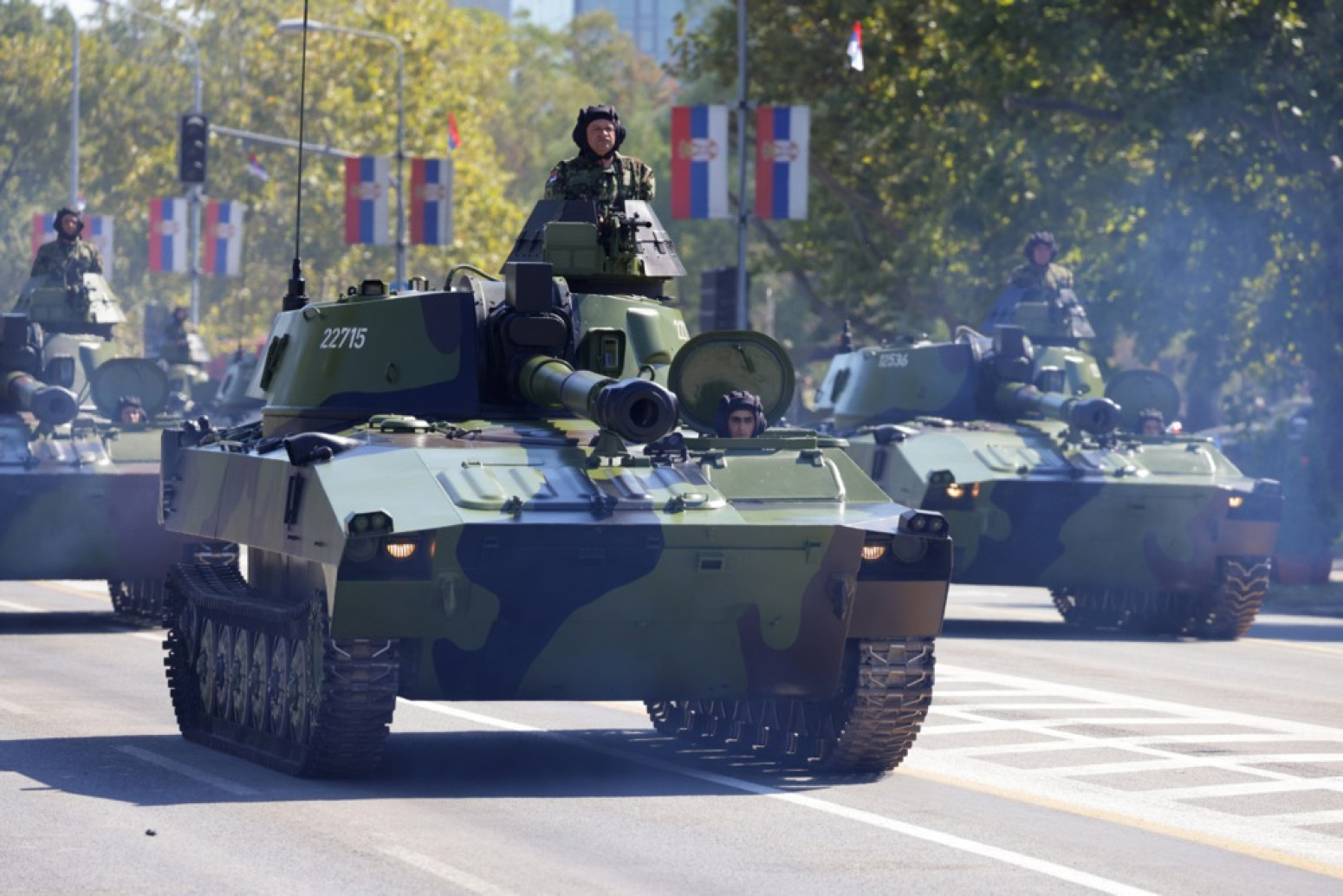
These priorities include, for example, the procurement of rocket artillery systems with a range of 150 to 300 kilometres, as well as the strategic air defence project, involving an integrated air defence system with short-, medium- and long-range capabilities.
Modernization cannot be considered successful if upgrading a particular system results in the loss of its basic tactical and technical characteristics. It cannot be carried out arbitrarily or simply because someone saw something somewhere and liked it.
There are also certain pieces of equipment whose intended purpose and safety remain questionable. We need to ask whether it is actually safe to put a person inside such equipment or whether doing so could compromise their safety.
Some of this equipment may need to be reassigned to other purposes, naturally through a planned process. Some of it may have to be replaced with more modern alternatives, either through procurement or by using our own domestic capabilities.
People tend to focus on the more visible equipment: tanks, armoured fighting vehicles and helicopters. However, attention must also be paid to more fundamental capabilities.
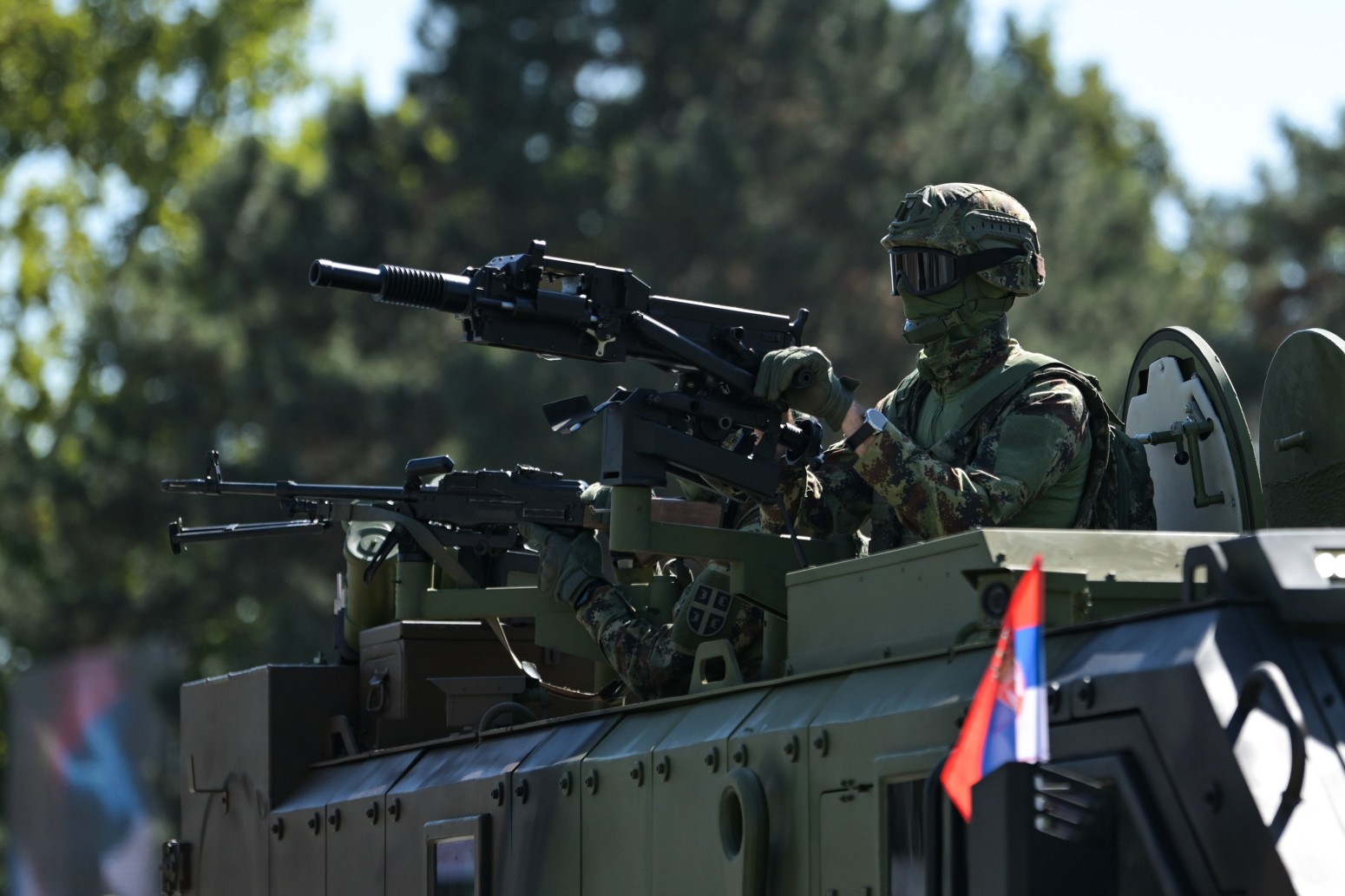
These include an integrated network-centric system for communications, command, control and the exchange of security information; airborne surveillance and reporting systems; the procurement of unmanned aerial vehicles; and systems designed to protect against airborne threats.
In general, this means addressing the entire issue of air defence."
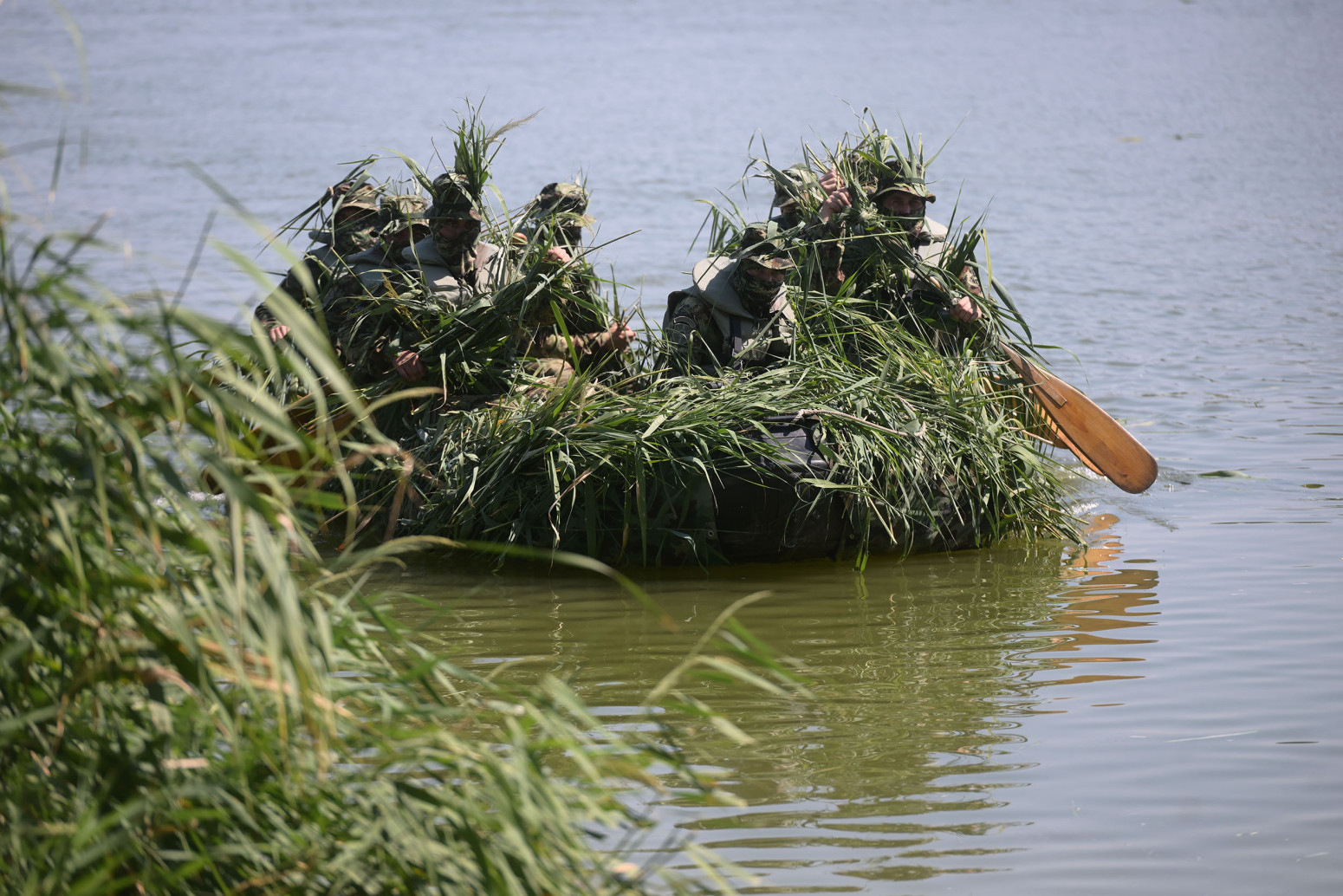
"Progress must be made gradually in every area. What has proven unsuccessful is the haphazard modernization of individual areas, with one area advancing significantly while another remains neglected.
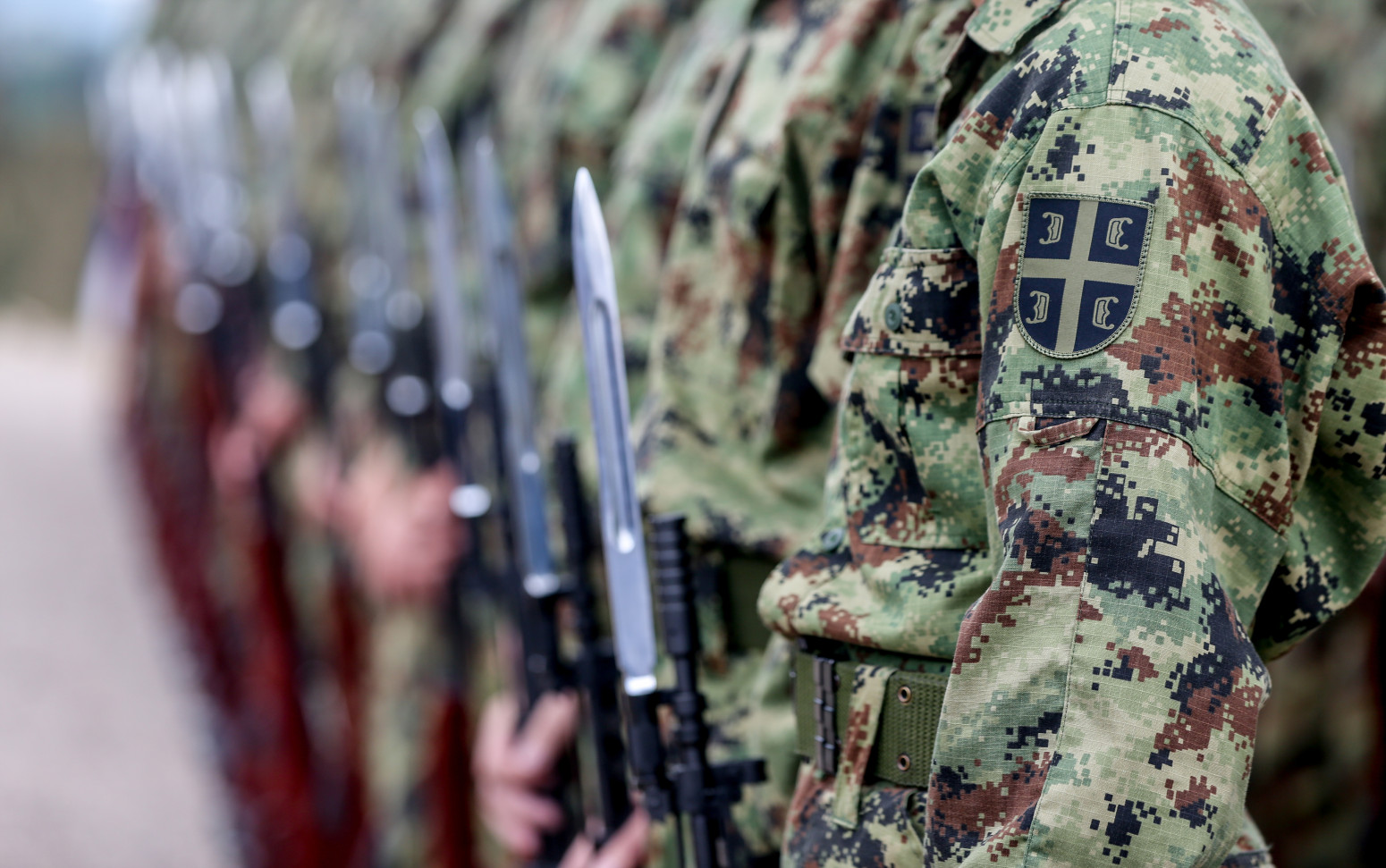
We also need to address the personal equipment issued to every soldier. And when I say every soldier, I also mean those serving in my units that were part of the logistics branch, previously known as the rear services. Every single soldier must have their personal equipment upgraded."
Asked what the Student List plans to do to promote military careers and attract young people to join the armed forces, Ponorac said:
"The issue of promoting military careers and attracting young people is closely linked to, and cannot be separated from, the question of why so many military personnel have left the armed forces. If there are reasons behind such a massive outflow of personnel, it is reasonable to assume that those same reasons also explain why military careers have become unpopular among younger generations.
By analysing these problems and their causes, those of us who have served in the system, including several members of our working group, know exactly what the key issues have been.
Unfortunately, attempts to address these problems have often been haphazard and populist. Salaries are increased by one and a half to two times, but expenses rise threefold, and nothing really changes.
First and foremost, both those already serving in the military and those expected to begin their careers must be given the assurance that they can genuinely build a future there. They need to see it as a career, rather than simply a way of securing a stable job where they might not have to do much but still receive a salary.
They must be able to envision a future and a career, whether in scientific and technical fields or in military service, command and leadership.
All of this already exists on paper and is provided for in the regulations; it is simply no longer being implemented.
There used to be a system of career development in which the former personnel departments, now known as human resources departments, were responsible for monitoring the career progression of every individual.
They should determine whether someone is developing along a scientific and technical career path, perhaps becoming a technologist in a military unit, moving on to a maintenance and overhaul facility, the Military Technical Institute or another institution."
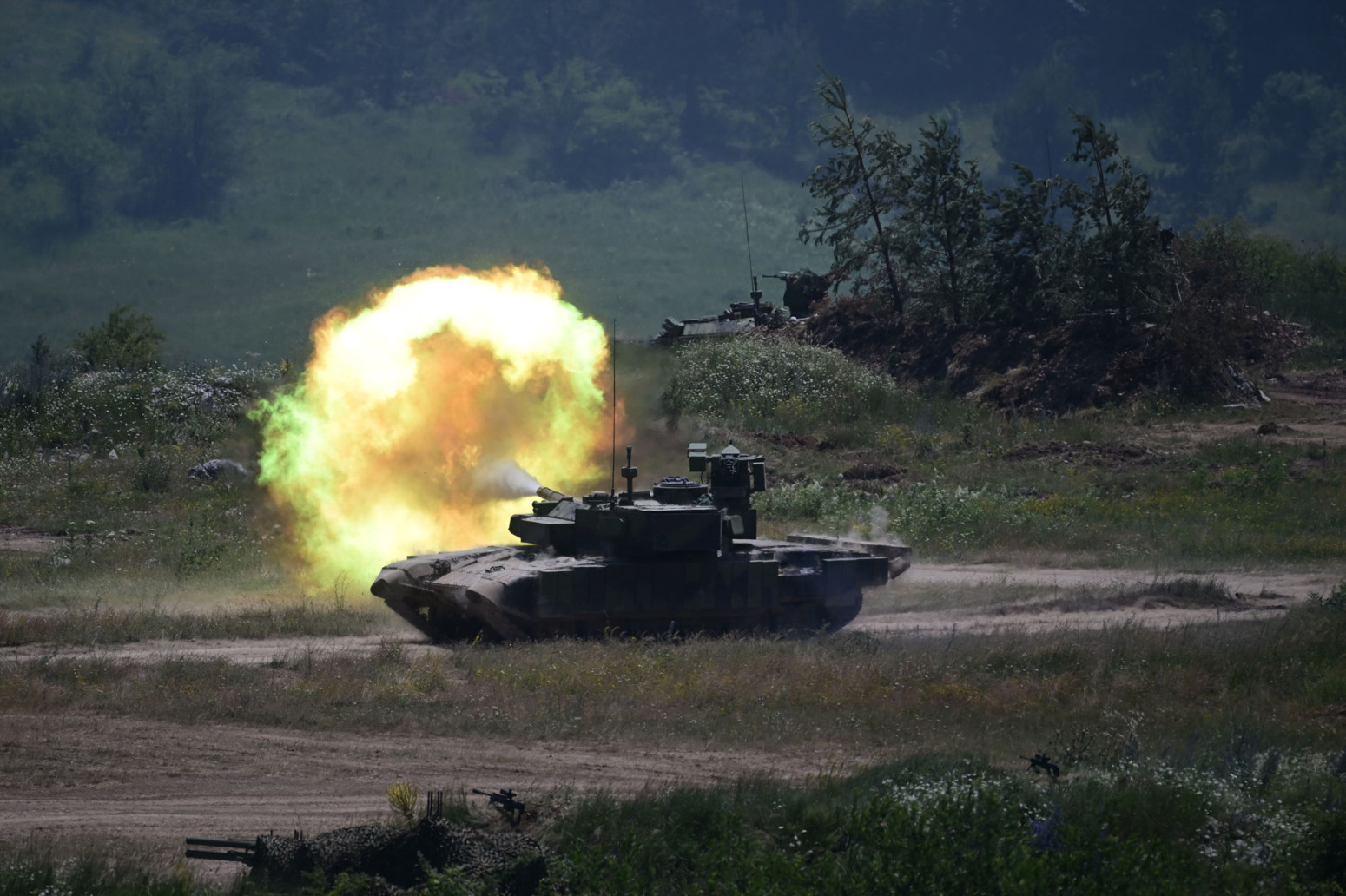
"Alternatively, they may pursue a career path involving command and staff training or general staff training, eventually moving into command positions. The same applies to non-commissioned officers and enlisted personnel: their career paths must be determined individually, based on thorough assessments of each person's mental abilities and physical and psychological capabilities.
The second factor is pay. Salaries must genuinely be sufficient to ensure that military personnel – and by that I mean everyone, including officers, non-commissioned officers, enlisted personnel and civilian employees – can enjoy a standard of living that should be above average, given that they perform work of strategic importance to this country.
Anyone joining the armed forces, as well as those already serving, must feel like a first-class citizen, or rather, an important member of society who enjoys public respect. After all, they represent that society and serve as role models within it.
We have envisaged a relatively uniform increase in incomes of around 20 to 30 per cent, but it is essential to ensure that this increase is distributed fairly. We cannot allow a situation in which young people are encouraged to join a particular special forces unit simply because salaries there reach 300,000 dinars, while a soldier serving in a special forces unit earns more than a general.
Nor should we have a situation in which a professor at the Military Academy, a colonel with a doctorate, earns less than a major serving in a military unit simply because the Academy falls under the Ministry of Defence and its staff do not receive the field service allowance.
These professors perform extremely important work: they educate and train military personnel. They trained me, just as they have trained countless others.
Such inequalities are the result of ad hoc decision-making, firefighting rather than systematic planning, and a certain degree of politicization of the entire issue, with particular segments of society or the military being favoured. This must not be allowed to continue.
We cannot talk about making military careers more attractive without addressing these issues. A tank driver serving under extremely difficult conditions should not have to live on the edge of poverty. Otherwise, when young people see that person's living conditions in their neighbourhood, none of them will say: 'I want to be like that man.'
We must also ensure that people who have lost their jobs over the past two years are given the opportunity to return to work. Many of them are highly qualified professionals, civilian employees and officers who were reassigned because their children were university students and they had taken part in those magnificent marches on foot.
Professors from the Military Academy were sent to training centres, undermining the education of future military personnel, simply because they were being targeted in political reprisals by those in positions of authority.
All these people must be given the opportunity to make full use of their professional abilities and, if they wish, to return to their previous positions."
"There are cases where, once someone leaves the system, it becomes extremely difficult for them to return.
A friend of mine from the Military High School was sent by the state to the United States Military Academy at West Point, where he studied a highly specialized telecommunications programme. He graduated from West Point, returned to Serbia and was assigned a job that was completely beneath his abilities and professional capabilities, with absolutely no opportunities for career advancement.
He stayed for a few years before eventually leaving. How do you bring someone like him back into the system? He now works for a private company, earning a substantial salary that he could never have achieved in the military. How can we get him back? After all, he was educated at one of the world's leading military academies.
We also intend to promote military careers through programmes such as yours, similar television broadcasts and more frequent public appearances. This should go beyond simply showing live-fire exercises and military drills, which are certainly attractive to audiences. We need to show how officers, non-commissioned officers, enlisted personnel and civilian employees actually live and work. People should be able to see what their everyday lives and working conditions are like. Some things cannot be shown publicly, but everything that can be shared should be.
Military representatives should visit schools and universities and participate in technology fairs. You do not have to showcase only the military aspects; you should also highlight the scientific and technological dimension. Show how people who want to pursue careers in science can do so within the armed forces.
In every serious country, the military is a driving force and a key engine of scientific and technological development. That should also be the case here in Serbia. This will be one of our objectives, and it is something we intend to work towards."
What is the Student List's plan regarding cooperation with the media and the public?
"Perhaps you would be better placed to answer that question than I am. But you know perfectly well who you have to deal with: the Public Relations Department.
I must say that the people working there are genuinely responsive, and there are many highly professional individuals who deserve no criticism whatsoever. However, it is clear to all of us, and we have all witnessed it, that the department has effectively become a political mouthpiece for the Minister of Defence.
In other words, it has become politicized to the extreme, leading to the situation that occurred with your programme, Dozvolite..., which is entirely unacceptable.
This is a programme I personally grew up watching. So did practically everyone who attended the Military High School or Military Academy or went on to serve in the armed forces. It is a programme that families watch together. Such a situation must not be allowed to continue. These are injustices that will be corrected.
The Public Relations Department should genuinely focus on publishing magazines, promoting scientific research and publications, and managing public relations. Its responsibility should be to ensure that anyone interested in understanding the defence system has the opportunity to learn about it.
The department should be at the forefront of promoting military careers. This means maintaining contact with you and your television network, being more open to cooperation and making it easier to produce reports and programmes of higher quality that genuinely portray the armed forces as part of the people, which is exactly what they are and have always been," he said.
Asked whether the Student List plans to reform the military security services, he said:
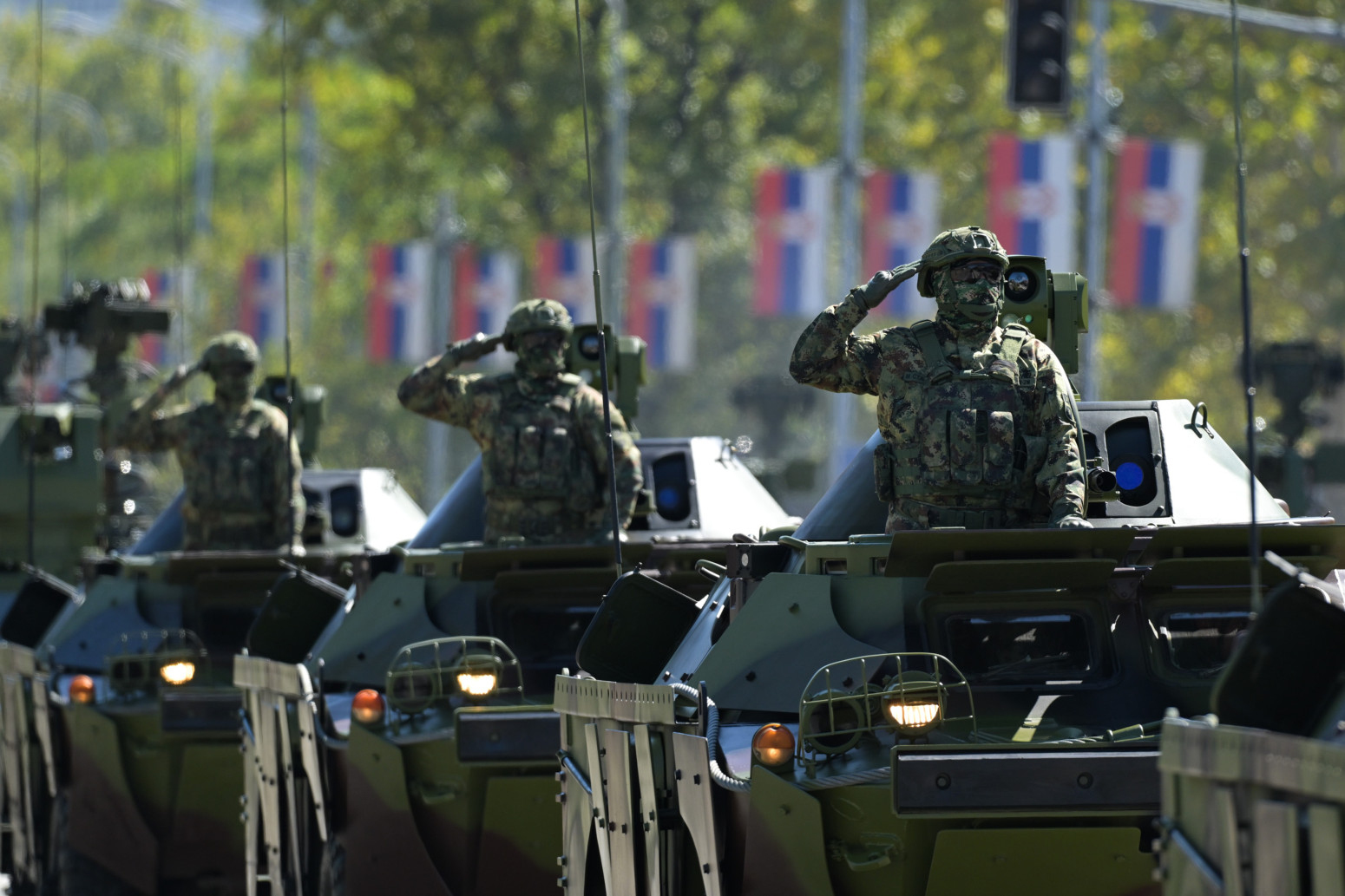
"Military intelligence and security services are of strategic importance in every country. In Serbia, the military security and intelligence system consists of the Military Security Agency (VBA) and the Military Intelligence Agency (VOA).
What we certainly intend to do, and what must be done, is to firmly restore these agencies to their legally defined responsibilities, particularly the Military Security Agency.
The respective responsibilities of the Military Intelligence Agency and the Military Security Agency are clearly defined. However, personnel from the Military Security Agency took over the leadership of the Military Intelligence Agency, and together, as we have had the opportunity to witness, both agencies became instruments of political retaliation used by the outgoing regime, or rather the authorities, against their political opponents.
This must not be allowed to happen. While they are engaged in such activities, other security failures are occurring that should never happen.
Naturally, individual accountability must also be examined. This may include cases of exceeding official authority and violations of the law. Those responsible for such actions will have to be held accountable.
Certain questionable promotions, if there have been any, which may have violated established service regulations, must also be reviewed. The actions they have undertaken must likewise be examined. Without going into detail at this stage, some of these actions have clearly gone beyond their legal authority and all reasonable limits.
Some degree of reform is necessary. Whether we call it reform or determine another form of restructuring remains to be seen, particularly because we do not yet know the actual state of these services.
We do not know whether the entire system has effectively been taken over by one individual or whether this way of operating has genuinely become widespread throughout the agencies."
"The Military Security Agency has started interfering in personnel matters within the armed forces. It has become involved in personnel appointments, deciding who gets reassigned to which post and who receives what kind of security clearance or assessment. This must stop, and the agency must return to its legally defined responsibilities."
Ponorac then spoke about war veterans.
"War veterans are regarded as first-class citizens in every country, deserving of full honours, benefits and entitlements. Historically, our country has had a problem with how it treats war veterans. That must change.
War veterans are the reason we are sitting here in a free country, in this free television studio, having this conversation. Many of them literally shed their blood for it.
Their standing in society must therefore be enhanced, and the assistance they receive must be increased. This includes veterans whose health has been affected, those living with disabilities and those receiving social assistance that is insufficient to meet their basic needs. As a result, they can become politicized or drawn into political conflicts.
This must not be allowed to happen. They must genuinely enjoy the status of first-class citizens and be involved in their former military units, including commemorations of their units' anniversaries, military parades and the drafting of programmes concerning war veterans.
Of course, there is also a department within the Ministry responsible for veterans' affairs and social issues, but the Ministry of Defence must also take responsibility for standing up for its war veterans."
What are your plans for Serbia's defence industry, arms and military equipment trade, including imports and exports?
"The defence industry must be developed and expanded. The group of companies operating in this sector needs to grow, and businesses must be encouraged to participate in scientific and technological development, because in every serious country, the defence industry is a major driving force behind scientific and technological progress.
As for exports and imports, that is perhaps more a matter for foreign policy, as the issue is closely interconnected with it. This is precisely why our working group is also heavily involved in drafting the foreign policy programme.
We have heard statements that we must generate revenue and export weapons, military equipment and ammunition. To some extent, that is true, but it must never come at the expense of the interests of the Republic of Serbia."
"You cannot undermine the interests of the Republic of Serbia in its relations with strategic partners. This requires extreme caution, and representatives of this movement will have a particularly specific and important responsibility in ensuring that Serbia's interests are not compromised."
What is the Student List's plan for international military cooperation?
"Serbia's military neutrality is not yet a fully established reality. We have declared ourselves neutral through our official acts. However, to be genuinely neutral, other countries must also recognize you as such.
Our neutrality concerns membership in military alliances, and that will remain unchanged.
However, all forms of international cooperation will continue, including participation in the Partnership for Peace programme and the peacekeeping missions in which we are currently involved.
I believe the mission in Lebanon is scheduled to wind down towards the end of this year, with the number of personnel deployed there being reduced.
Nevertheless, the international military exercises in which we participate are extremely valuable, above all for us. They provide us with knowledge and experience through exchanges of expertise. Foreign military personnel come to Serbia to attend courses, while our personnel travel abroad to participate in training programmes".
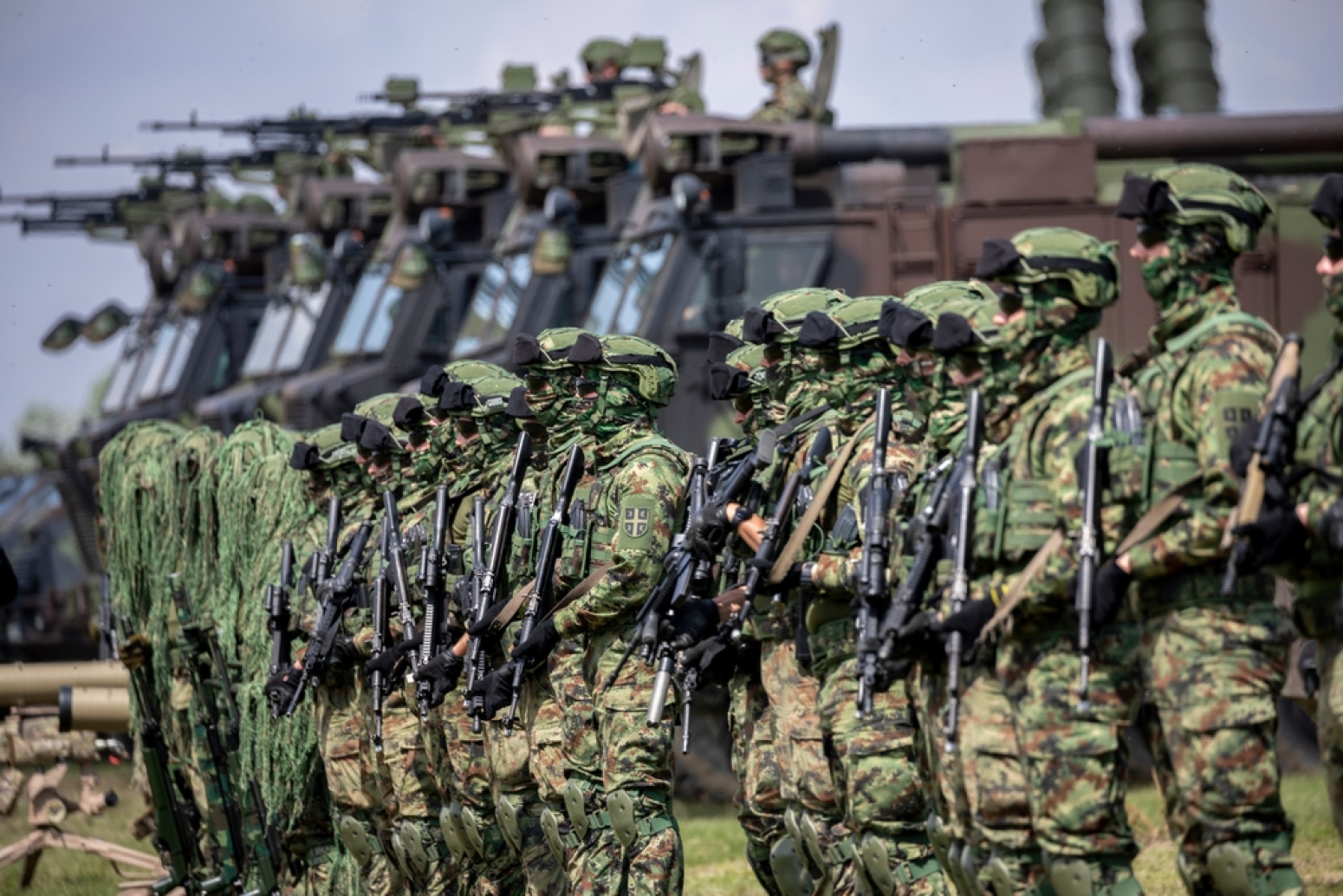
He also spoke about cooperation with the international KFOR forces stationed in Kosovo and Metohija under UN Security Council Resolution 1244.
"This is precisely where the answer lies. We regard Kosovo and Metohija as an inalienable part of the Republic of Serbia, because that is what the Constitution says, and every soldier and every citizen is obliged to respect the Constitution.
What is important for us is that, unfortunately, certain agreements that have been signed have reduced KFOR's presence and authority in Kosovo and Metohija, with some of its responsibilities being transferred to other institutions. This is not in our interest.
It is in our interest for KFOR's mandate to be strengthened and expanded, and for representatives of the Serbian Armed Forces and the Ministry of Defence to communicate exclusively with KFOR, as stipulated by the Military Technical Agreement signed in Kumanovo. This is because, as far as we are concerned, UN Security Council Resolution 1244 remains in force and is binding.
We want full cooperation with KFOR. We want KFOR to assume responsibility, as it did in the past, for protecting our monasteries, churches and other holy sites, and, by extension, our people living there. We do not want these responsibilities to be entrusted to others who are incapable of carrying them out.
Naturally, this should not involve imposing anything on KFOR, but we would have no problem offering the mission our assistance in carrying out these tasks."

0 Komentari
Možda vas zanima

NBS uvodi nova pravila za menjačnice: Evo šta to znači za građane
Narodna banka Srbije donela je novu odluku kojom se privremeno menjaju uslovi i način obavljanja menjačkih poslova u Srbiji.
11:14
14.11.2026.
1 d

Poljska je rekla "ne" Ukrajini
Poljski premijer Donald Tusk izjavio je da Poljska, za sada, neće finansirati nabavku američkog naoružanja za Ukrajinu u okviru programa "Lista prioritetnih potreba Ukrajine" (PURL), zbog svojih visokih izdataka za odbranu.
14:35
14.11.2026.
1 d

Partizan se okliznuo u Zadru!
Košarkaši Partizana poraženi su na gostovanju Zadru u osmom kolu ABA lige sa 81:74, čime je prekinut njihov niz od šest pobeda u regionalnom takmičenju.
21:00
14.11.2026.
1 d

Rat – dan 1.725: Ukrajinski dronovi zapalili Rusiju; Moskva traži povlačenje NATO-a; Ukrajina ponovo u mraku
Rat u Ukrajini – 1.725 dan. Ukrajinski dronovi zapalili su strateške ruske objekte, dok su ruski udari pogodili ukrajinsku energetiku. Pregovori i dalje nisu doneli pomak, a ukrajinski predsednik Volodimir Zelenski ponovo je odbio predaju teritorija Rusiji.
23:55
15.11.2026.
10 h

Lepe vesti za najstarije: Stiže povećanje penzija od 7,5%
Penzije u Srbiji biće povećane za 7,5 odsto počev od decembra 2026. godine, potvrđeno je rešenjem Republičkog fonda za penzijsko i invalidsko osiguranje, koje je objavljeno u "Službenom glasniku Republike Srbije".
13:24
14.11.2026.
1 d












Komentari 0
Pogledaj komentare Pošalji komentar