






22.09.2026.
13:32
Macron turns to von der Leyen: Lengthy letter sent over fuel crisis
French President Emmanuel Macron has called on European Commission President Ursula von der Leyen, in a letter, to temporarily ease certain EU rules in order to quickly increase fuel supplies, French media reported.



In a letter sent to von der Leyen on September 18, which BFMTV obtained, Macron argued that easing certain standards governing diesel and kerosene could allow refineries to produce between 5% and 20% more fuel.
The French president called for several temporary measures to ease European regulations in order to accelerate fuel production across the continent.
Among the French leader’s main proposals are easing European fuel-quality standards, increasing the share of biofuels in diesel, and postponing certain new obligations for fossil-fuel importers.
According to Macron, these measures should help strengthen import and production capacity in the short term, thereby increasing the supply available on the domestic market.
“The near-total closure of the Strait of Hormuz since March 2026 has led in recent months to a decline in global oil supply and a significant reshaping of global hydrocarbon flows,” he said.
According to the French president, global oil inventories have consequently fallen by more than 500 million barrels.
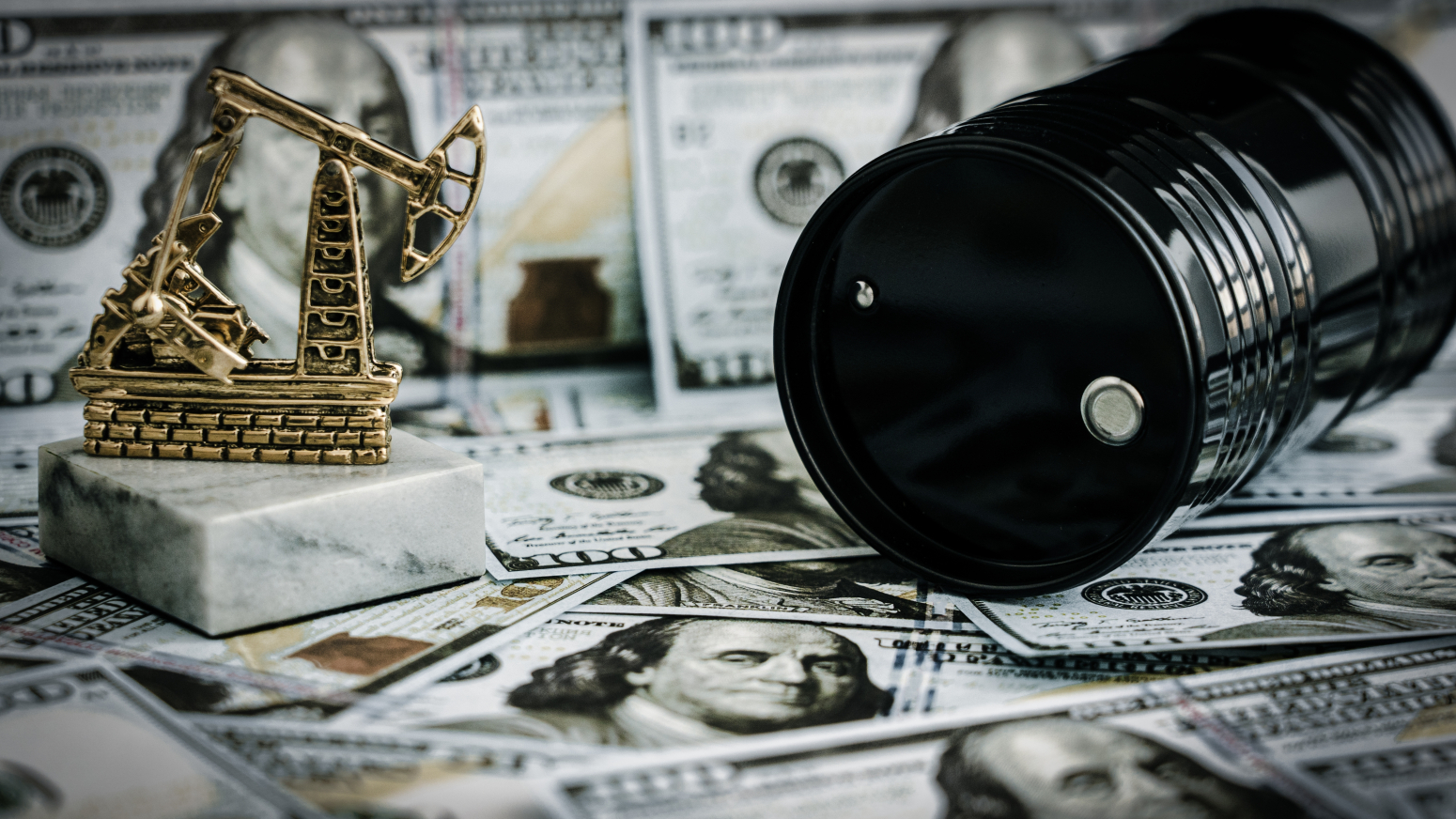
According to the report, the situation has become tense again in recent weeks due to attacks on energy infrastructure in Russia and the Middle East, as well as renewed growth in consumption in Asia.
Macron warned that if the Strait of Hormuz is not quickly reopened and Saudi Arabia’s “East–West” oil pipeline is not brought back into operation, the depletion of the kingdom’s reserves could reduce the global supply of crude oil and refined products by at least 4 million barrels per day.
He warned that this reduction could trigger a sharp rise in prices.
In his letter to Ursula von der Leyen, Macron also expressed concern over reports from French businesses of growing difficulties in confirming deliveries for the coming weeks.
Europe is particularly vulnerable to these disruptions because of its dependence on the Middle East for certain petroleum products. According to data cited by Macron, the region accounts for 36% of Europe’s kerosene imports and 18% of its diesel imports.
His first proposal is to significantly ease European standards governing fuel quality.
The second measure under consideration is increasing the share of biofuels in diesel.
The French president specifically proposes allowing distributors to replace B7 diesel, which contains up to 7% biodiesel and is currently a widely used standard in Europe, with B10 diesel, which can contain up to 10% biodiesel.
The French president has also called for a one-year postponement of the implementation of a new European requirement concerning importers of crude oil, natural gas and coal.
From January 1, 2027, European importers will have to demonstrate that their oil and gas suppliers comply with methane emissions measurement and monitoring rules equivalent to those in the EU.
This requirement could make cooperation with certain foreign producers more difficult if they are unable to provide the necessary data, at a time when Europe is seeking to secure its energy supplies.
Macron nevertheless believes that preparations for the mechanism so far have been inadequate. The European Commission has already recommended that member states postpone the introduction of financial penalties related to these requirements until the end of 2029.
The French president pointed out that, even without those penalties, the new rules would create an additional risk of legal disputes for fossil-fuel importers at a time when Europe needs to mobilize all available supply capacity.
At the same time, Macron called for faster European efforts toward electrification and reduced natural gas consumption, particularly for heating.
0 Komentari
Možda vas zanima

Džoooons! Zvezda slavila u trileru; "Košarkaški bogovi su nekad pošteni"
Košarkaši Crvene zvezde savladali su večeras Asvel u Vilerbanu rezultatom 84:82 u utakmici petog kola Evrolige.
23:00
13.10.2026.
21 h

Potop Partizana u Areni – Panata se "prošetala"; Penjaroja: "Teško je takmičiti se sa lošim šutem"
Košarkaši Panatinaikosa savladali su Partizan sa 55:72 u okviru petog kola Evrolige.
23:43
13.10.2026.
20 h

Uzbuna u Crnom moru; Bugarska odmah traži pomoć NATO-a
Bugarska je zatražila tehničku pomoć Evropske unije i NATO-a u nastavku istrage o napadima dronovima na dva trgovačka broda u bugarskoj isključivoj ekonomskoj zoni Crnog mora.
22:05
12.10.2026.
1 d

Rat – dan 1.691: Rusija udarila na energetiku Ukrajine; Putin nudi rešenje?; "Evropi preti haos" FOTO/VIDEO
Rat u Ukrajini – 1.691. dan. Kremlj poručio da je ruski predsednik Vladimir Putin spreman na obustavu napada tokom izbora u Ukrajini. Za to vreme, evropske bezbednosne službe upozoravaju na moguće nove ruske operacije protiv članica NATO-a.
23:44
12.10.2026.
1 d

Stariji su ga pili svakog dana, a mi smo ga zaboravili: Napitak koji leči
Sve što je nekada pripremano bilo je isključivo prirodno, iz bašte, a jedan napitak je i te kako uticao na zdravlje naših baka i deka, pa bi trebalo da ga vratimo na sto.
16:39
12.10.2026.
2 d












Komentari 0
Pogledaj komentare Pošalji komentar