






04.08.2026.
18:10
Three decades after Operation "Storm": How Subotica became a new home for thousands of displaced persons
Thousands of people displaced after Operation "Storm" found refuge in Subotica, where they rebuilt their lives and became a lasting part of the city's history and identity.



Every August, when the anniversary of Operation "Storm" is commemorated, it is not only the images of endless columns of tractors, cars and people—carrying little more than a few bags and basic belongings as they left their homes—that return. Memories also resurface of the cities that opened their doors to those displaced and offered them a chance to begin again. Subotica was one of those cities.
In the early 1990s, the wars in Croatia and later in Bosnia and Herzegovina brought large numbers of families fleeing the conflict to the northern Bačka region. A new wave of refugees arrived after Operation "Storm," which began on August 4, 1995.
According to the Veritas Documentation and Information Center, around 2,000 Serbs were killed or went missing during and immediately after the operation, while more than 220,000 people fled their homes in the then Republic of Serbian Krajina. Within just a few days, an area where Serbs had lived for centuries was left almost entirely without its Serbian population.
For most of those displaced, the journey led to Serbia and Republika Srpska. Many settled in Vojvodina, and a significant number of families found refuge in Subotica and the surrounding communities. Long known for its multicultural character and diverse traditions, the city became a place where thousands of people sought to rebuild their lives from the ground up.
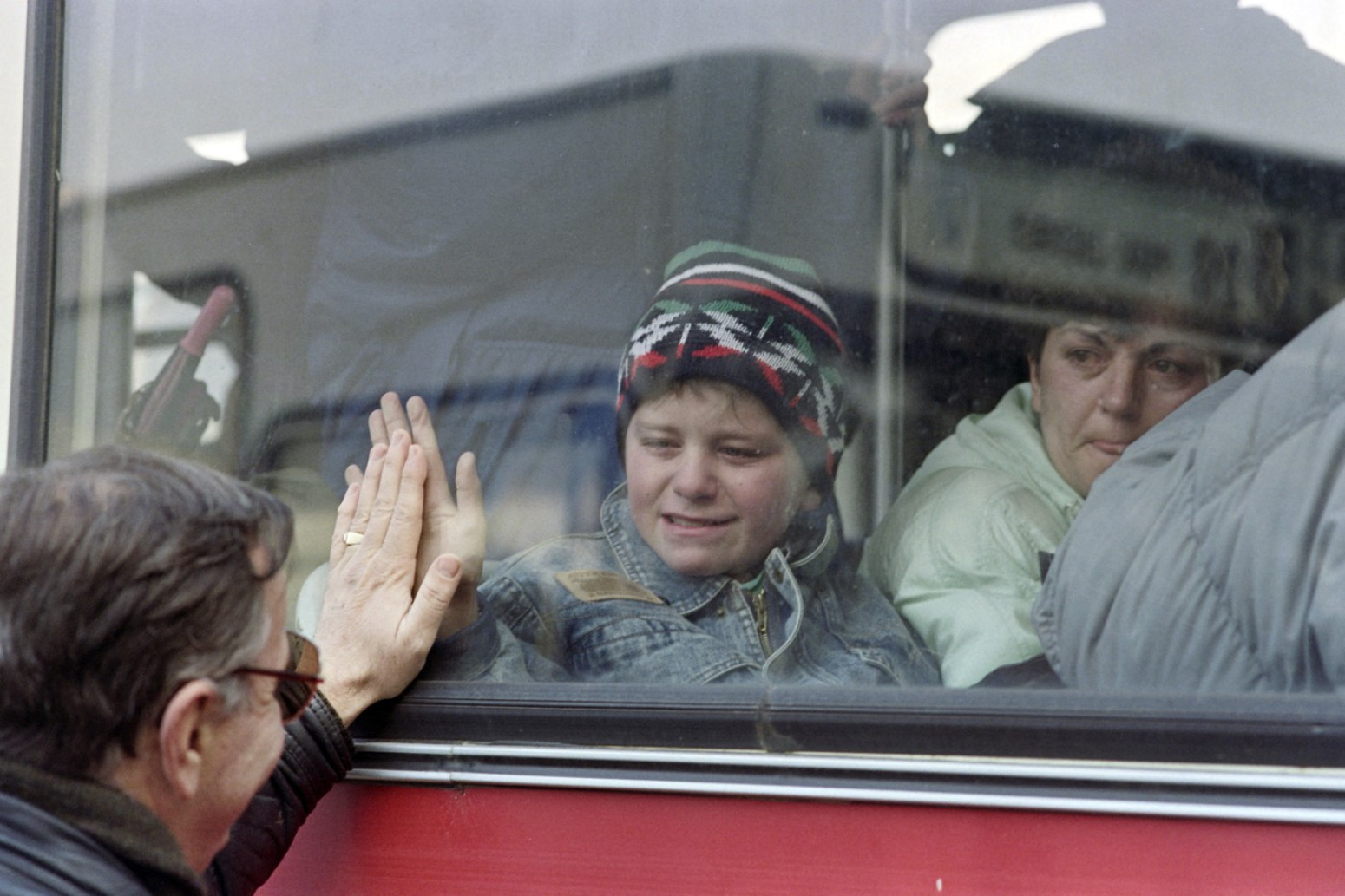
A new beginning far from home
For those who arrived in Subotica, the war was not merely a historical event—it was a personal tragedy. They left behind their homes, property, memories, the graves of their ancestors, and a life to which they could no longer return.
Many arrived in the city with little or no possessions. The first years were marked by uncertainty, the search for employment and housing, and the challenge of rebuilding independent lives for their families.
Over time, they became part of the city's economic, cultural and social life, while their children grew up alongside their peers in Subotica's schools, sports clubs and cultural organizations.
Today, many of those who were once displaced have become successful entrepreneurs, craftsmen, doctors, professors, athletes and artists. Many started families in Subotica, and the generations born after the war know the city as the only home they have ever had.
Preserving their homeland through tradition
Although they built new lives in northern Bačka, many never forgot their roots. Through community associations, homeland gatherings, folklore, music, customs and traditional cuisine, they have continued to preserve the identity of the regions from which they came.
Over time, this diversity became part of Subotica's rich cultural mosaic. A city long known for the coexistence of different peoples, religions and cultures gained another dimension, as those who had been displaced became active members of the community and contributed to its development through their work.
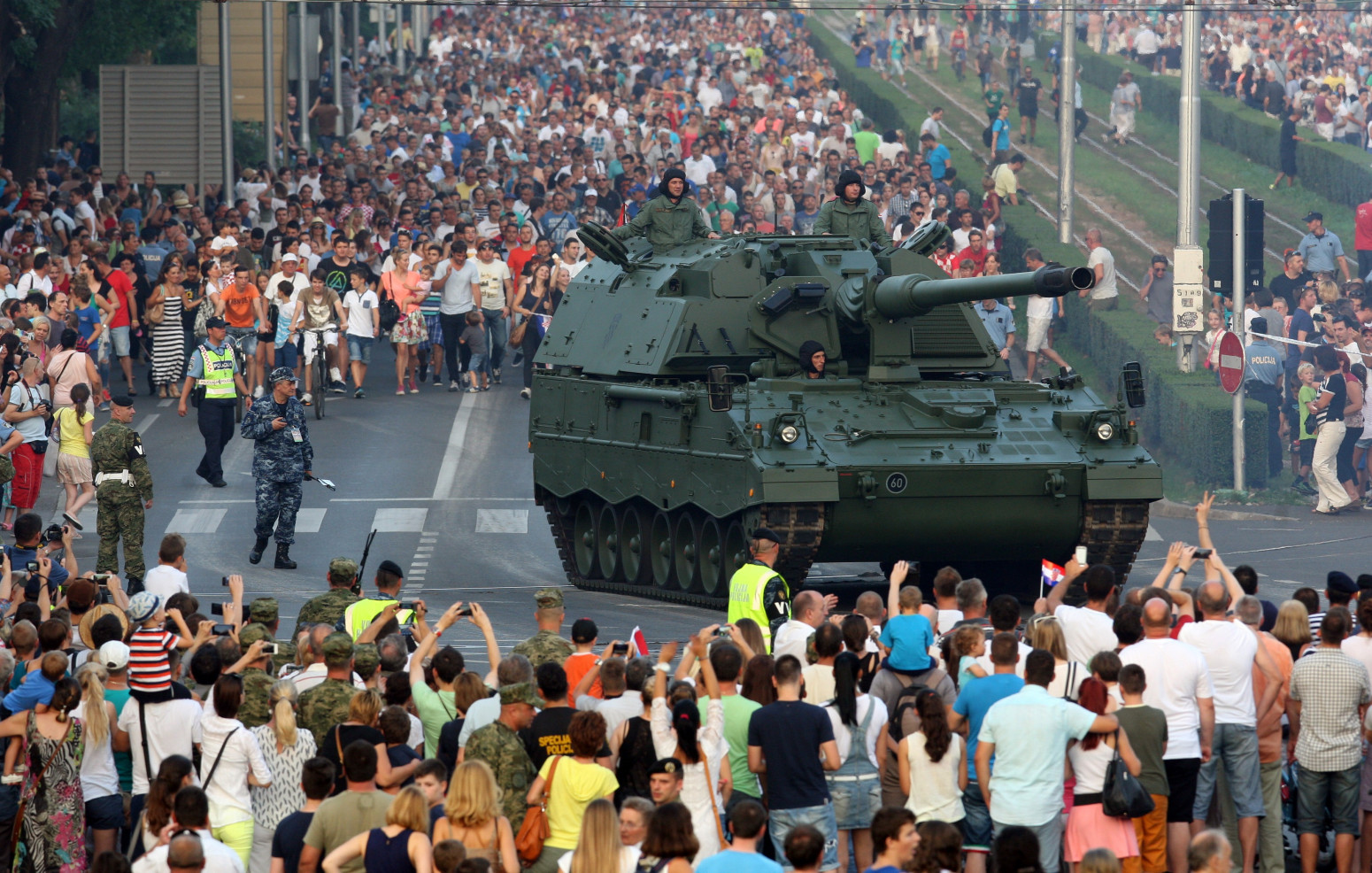
A memory that endures
While Croatia marks August 5 as Victory and Homeland Thanksgiving Day, Serbia and Republika Srpska observe August 4 as a Day of Remembrance for the Serbs who were killed or displaced.
For many families now living in Subotica, the date is more than a historical anniversary. It is a reminder of the homeland they lost, as well as of the difficult journey that ultimately led them to a new home.
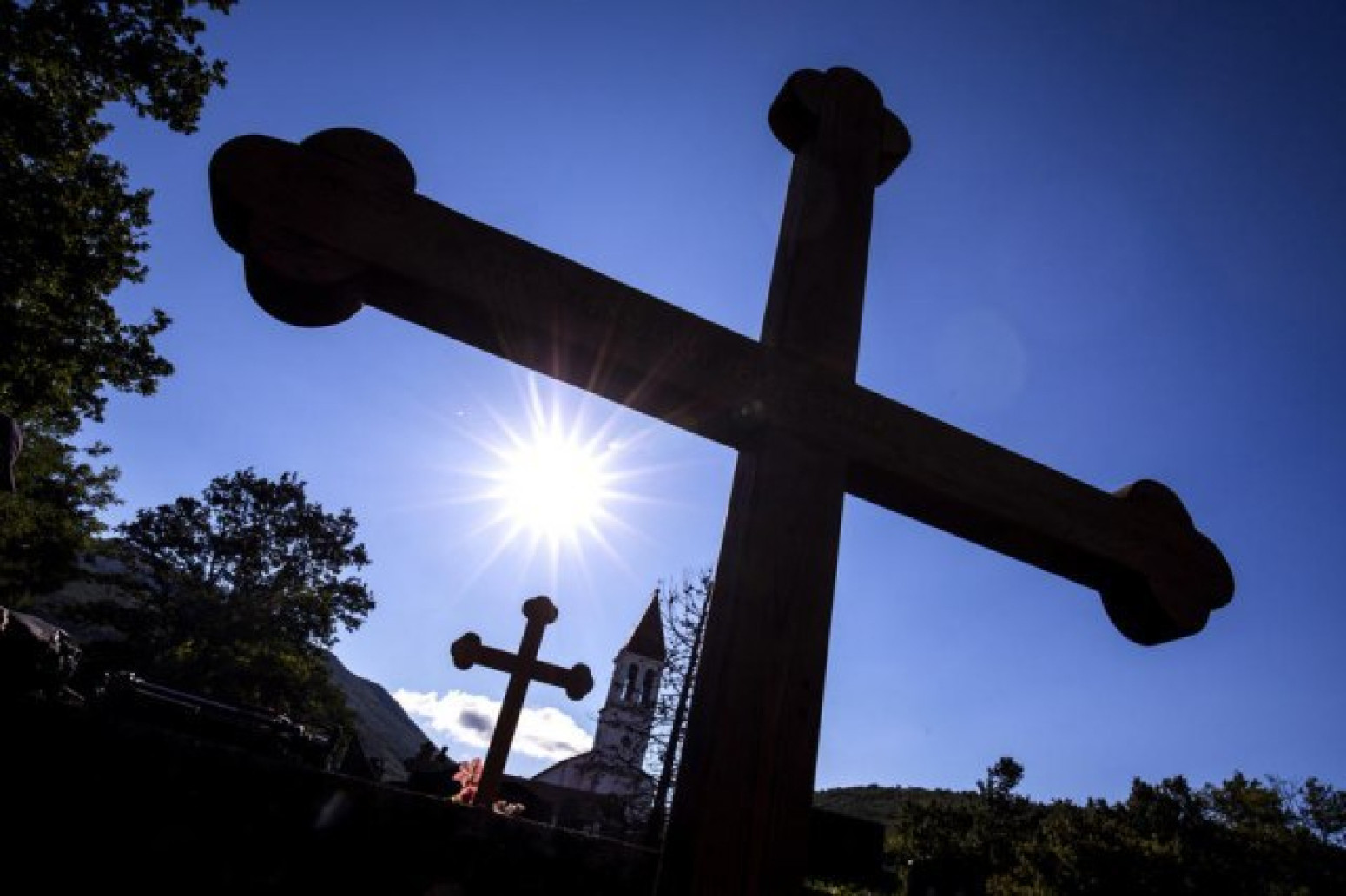
Memorial service for the Serbs killed and displaced
Following the Divine Liturgy, which began today at 9:30 a.m. at the Church of the Holy Ascension of the Lord, a memorial service (parastos) was held for the Serbs who were killed and displaced during Operation "Storm."
As in previous years, citizens gathered to pay tribute to the victims and pray that future generations will never experience the suffering and hardship brought by that period.
This year, Subotica is once again hosting a commemorative program dedicated to the victims and those who were displaced, organized by the Union of Serbian Associations of the North Bačka District and the Svetozar Miletić Foundation.
Such gatherings provide an opportunity to preserve the memory of those events while helping younger generations understand why the conflicts of the 1990s permanently changed the demographic and social landscape of many cities, including Subotica.
Three decades later, many of those who arrived in the city as refugees no longer define themselves that way. Today, they are Suboticans.
Their life stories have become a lasting part of the city's history, bearing witness to how, despite profound loss and tragedy, it is possible to rebuild a life and become part of a community that offered a chance for a new beginning.
0 Komentari
Možda vas zanima

Rat – dan 1.867: Masakr u Kramatorsku – preko 30 mrtvih; Ukrajinci se osvetili Rusima FOTO/VIDEO
Rat u Ukrajini – 1.687. dan. U ruskom napadu na stajalište javnog prevoza i dva autobusa u Kramatorsku, u Donjeckoj oblasti, poginulo je 33 ljudi, dok je 18 povređeno, saopštilo je regionalno tužilaštvo Ukrajine. Ukrajinci su napali rafineriju nafte u Omsku.
23:55
8.10.2026.
1 d

Krah Đokovića na startu Šangaja
Novak Đoković poražen je od Huberta Hurkača sa 2-0 u setovima u 2. kolu Mastersa u Šangaju.
13:54
9.10.2026.
12 h

Kraj jedne ere: Jugoslovenski gigant se prodaje deo po deo
Proces prodaje pojedinačnih delova nekadašnjeg industrijskog giganta Koksare Lukavac počeo je da daje prve konkretne rezultate.
8:16
7.10.2026.
2 d

Talas povećanja primanja stiže u Srbiju: 65.000 dinara za jedne, veće penzije i minimalac od 600 evra za druge
Građane Srbije u narednim mesecima očekuje niz važnih finansijskih novina i državnih mera koje će značajno uticati na kućne budžete.
8:26
7.10.2026.
2 d

Nemačka odbila Kineze: "Ne damo"
Nemačka savezna vlada zabranila je prodaju 80 odsto udela u hamburškoj logističkoj kompaniji "Cipel" kineskoj državnoj brodarskoj kompaniji "Kosko", navodeći kao razlog rizike po nacionalnu bezbednost.
19:31
7.10.2026.
2 d












Komentari 0
Pogledaj komentare Pošalji komentar