






28.08.2026.
15:05
Massive glacier broke off; An avalanche of ice and rock rushed down the river PHOTO/VIDEO
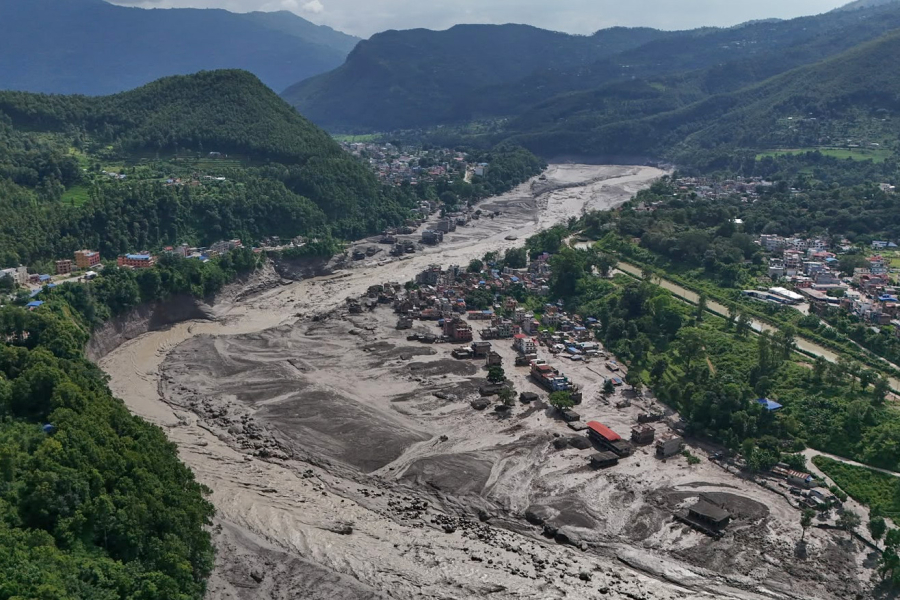
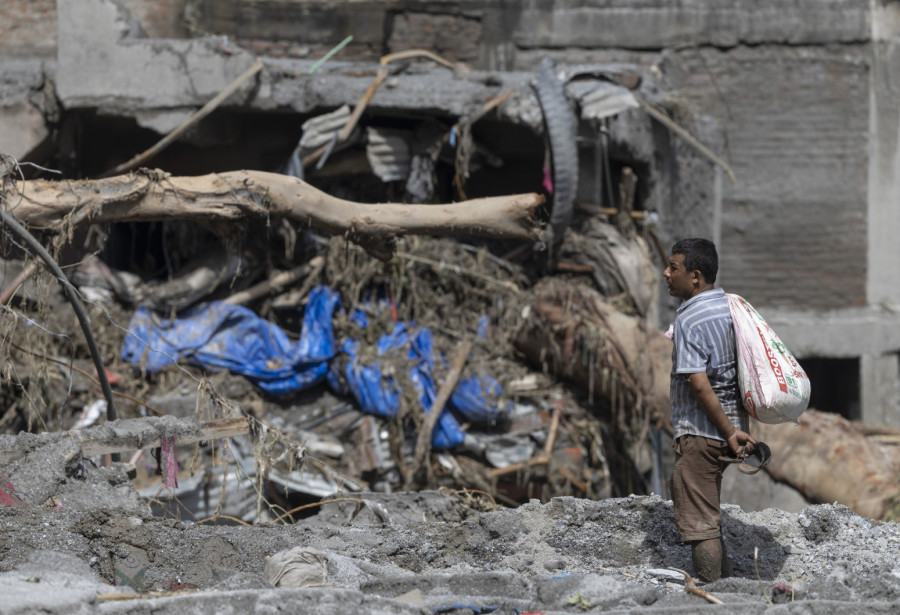
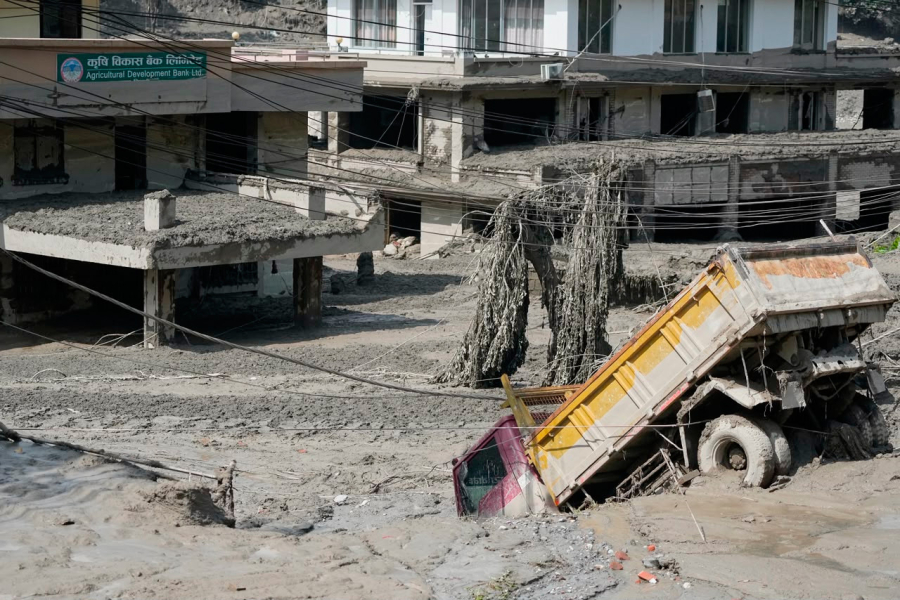
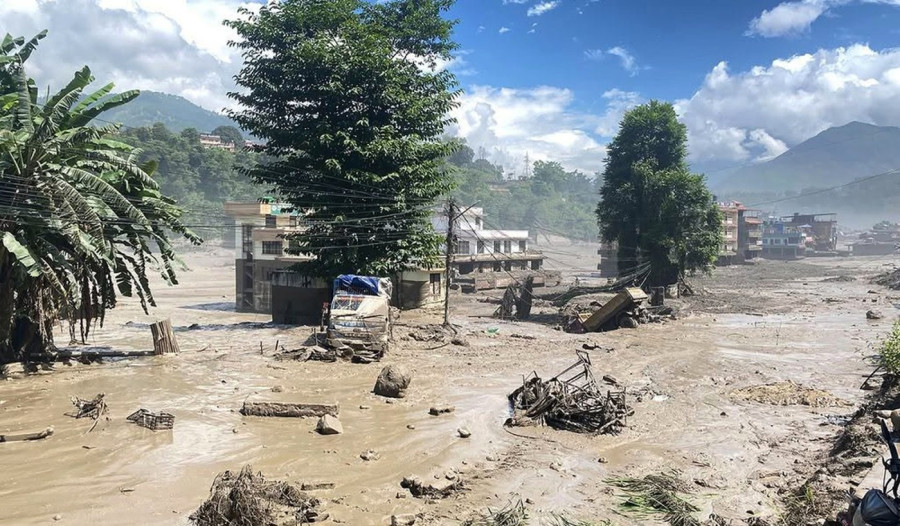
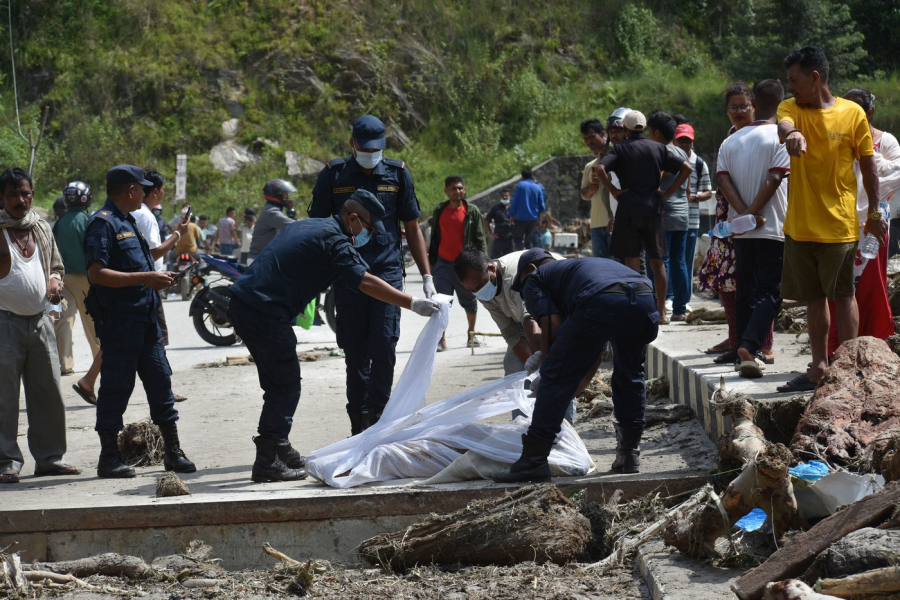
The ice and rock avalanches and flash floods that killed hundreds of people in Nepal and China’s Tibet were triggered when the lower section of a glacier broke away and crashed onto the valley floor hundreds of metres below.



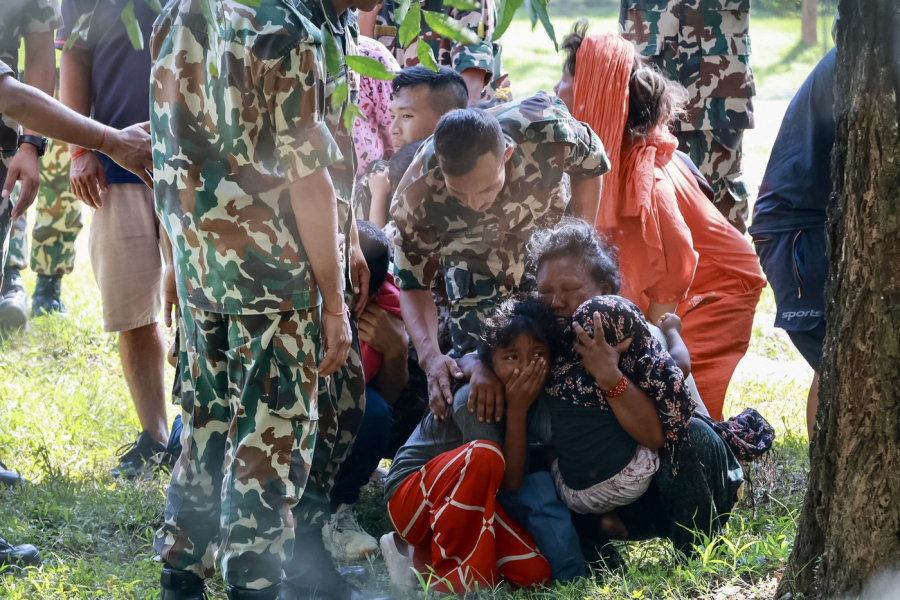
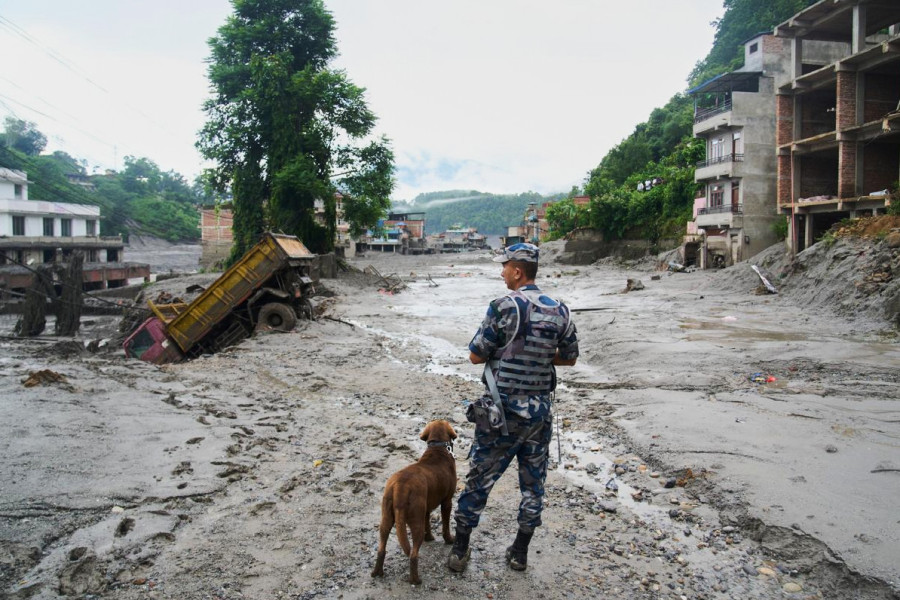
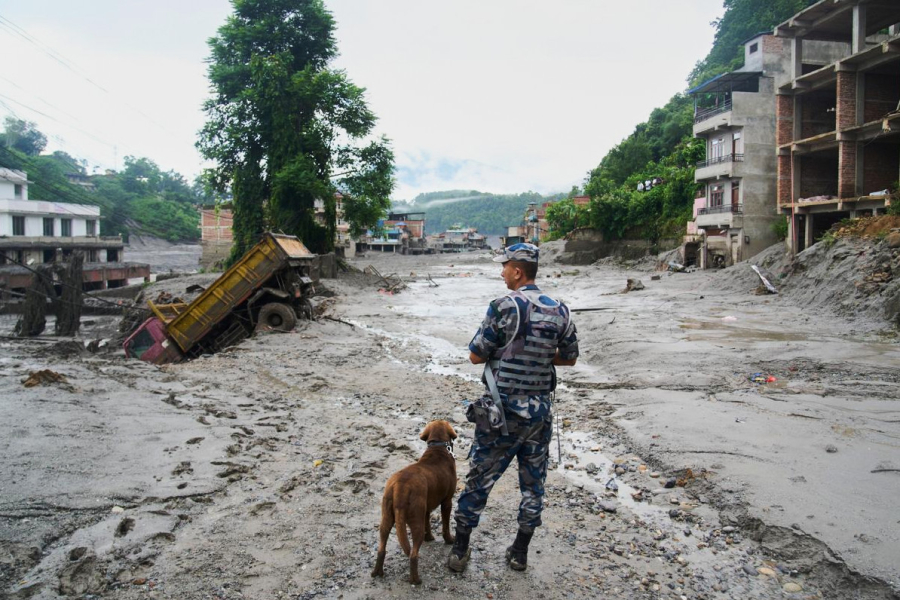
Rescuers continued searching for survivors on Thursday across Nepal’s debris-covered valleys and hillsides, while more than 1,000 people were reported missing.
It remains unclear what caused the glacier collapse. Nepalese officials initially pointed to an earthquake in the region as a possible cause, but the U.S. Geological Survey (USGS) later said the reported tremor was actually seismic energy generated by the collapse of glacial rock and ice, followed by a debris flow.
Satellite imagery shows that a large section of the glacier near the summit of Langtang Lirung broke away compared with images taken just days earlier.
As for the glacier’s size, it was approximately 1.4 kilometres high and one kilometre wide. For comparison, the Statue of Liberty is 93 metres tall, while the Burj Khalifa stands at 828 metres.
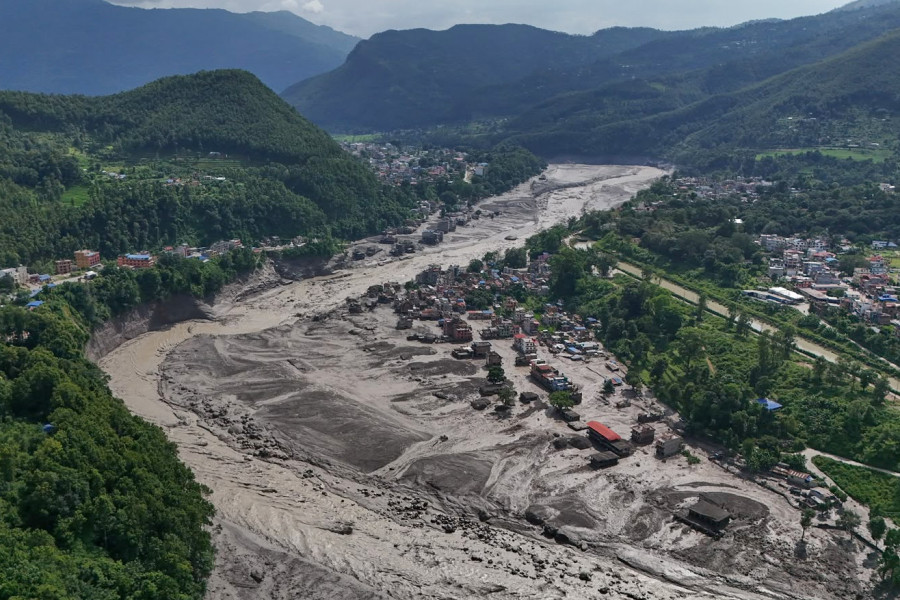
An avalanche of ice and rock swept down the Lhende Khola River, which runs along the mountainous border between Nepal and Tibet.
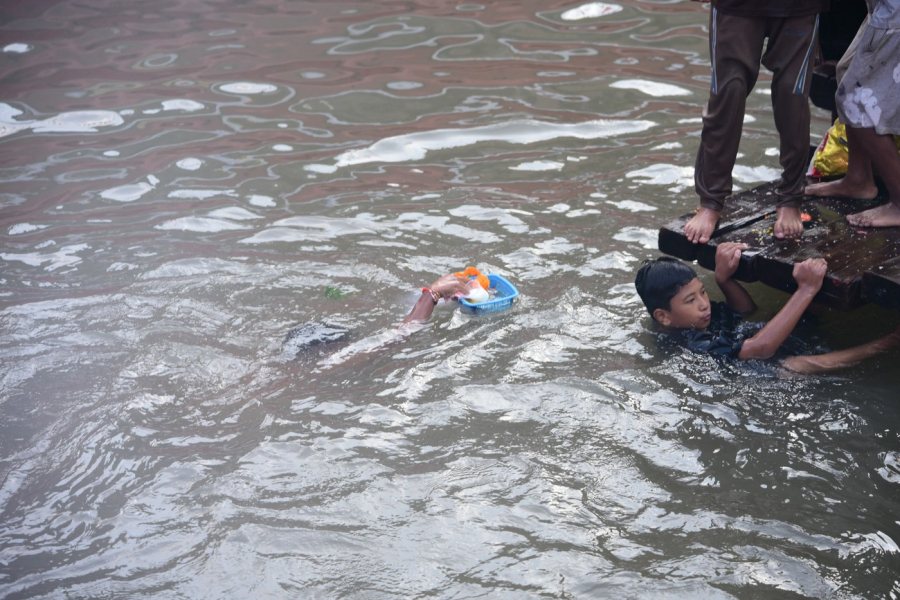
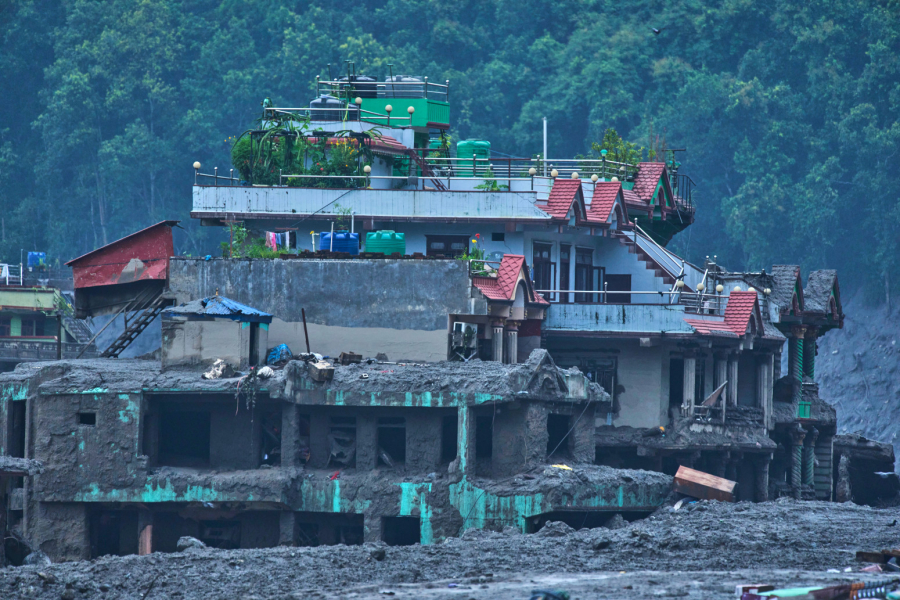
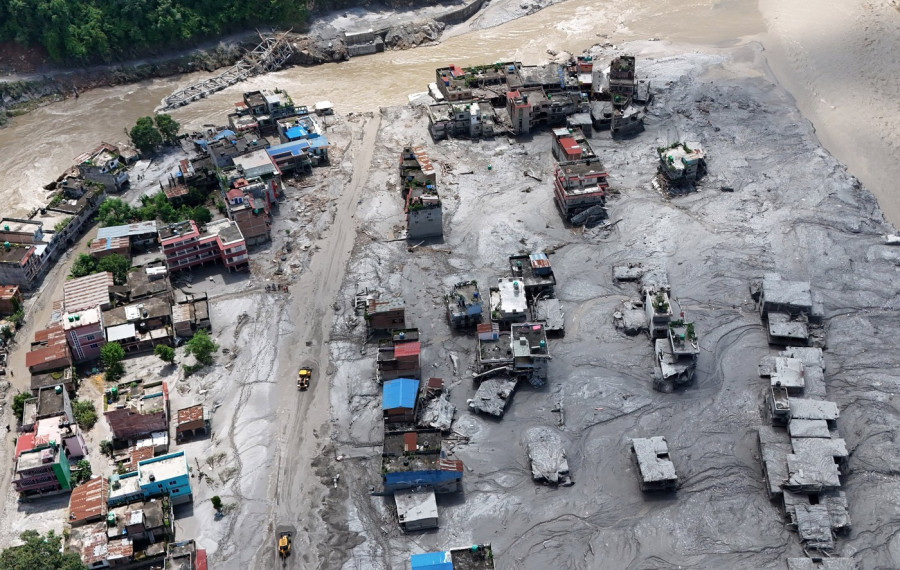
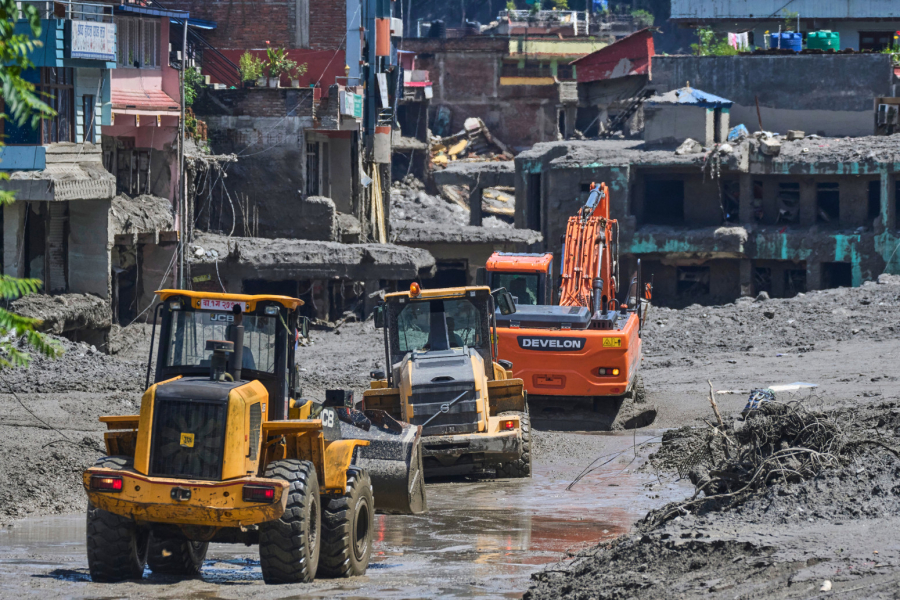
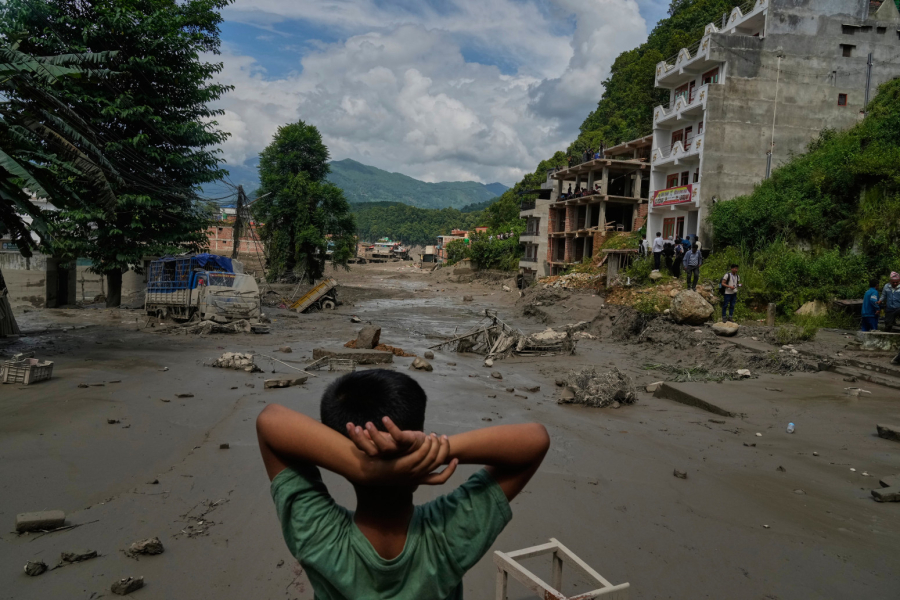
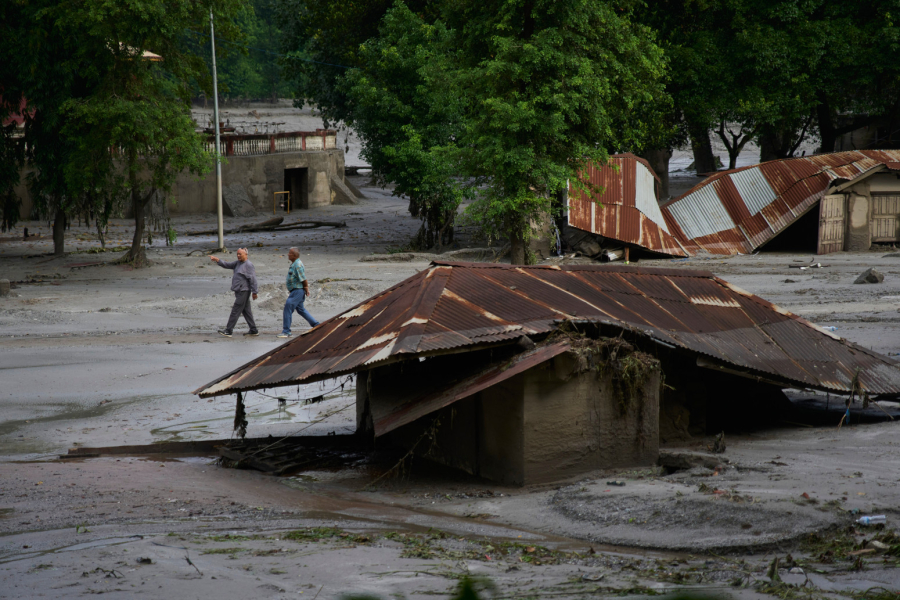
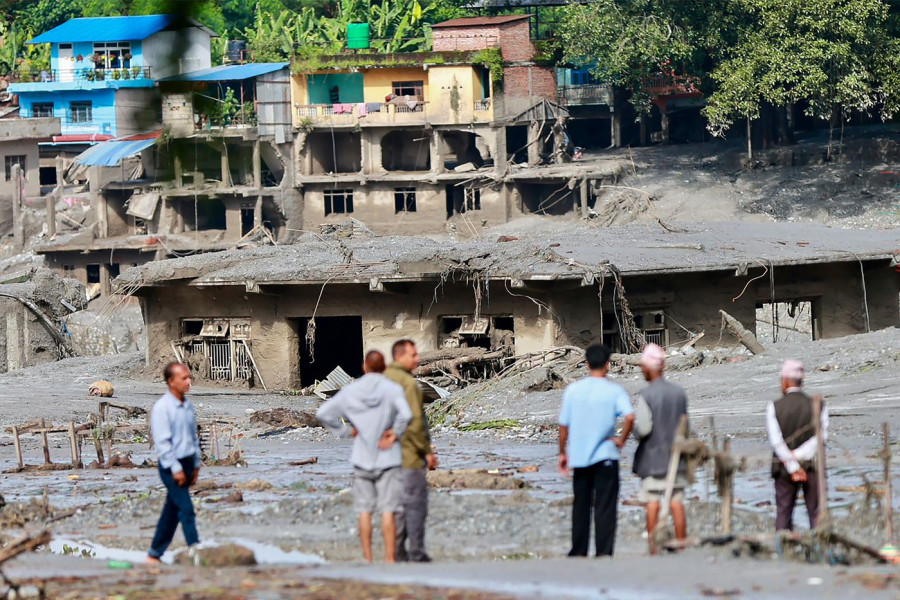
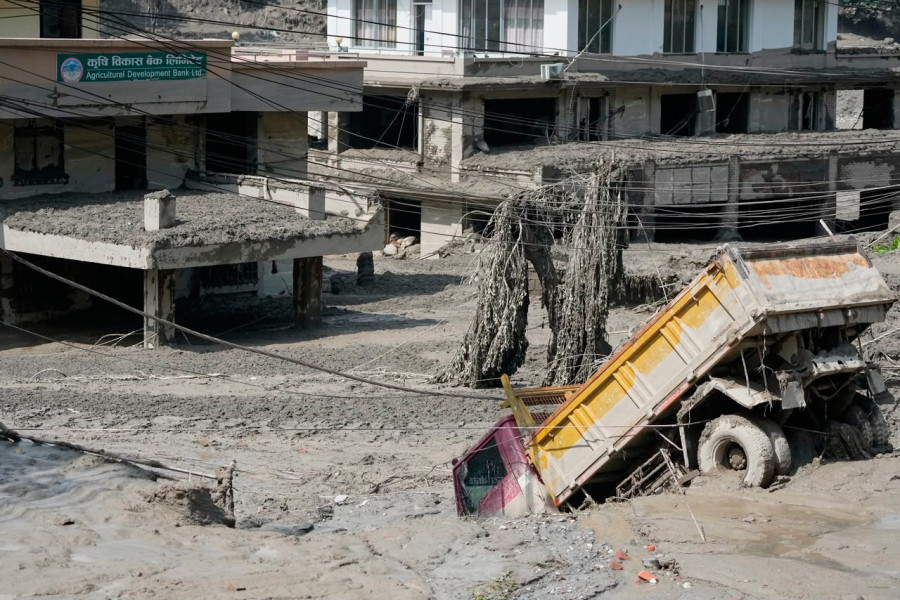
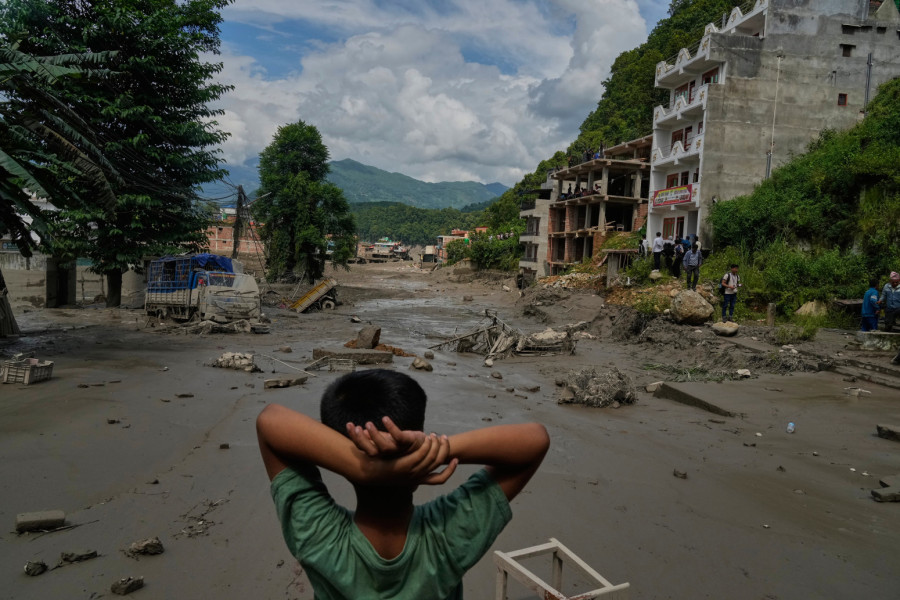
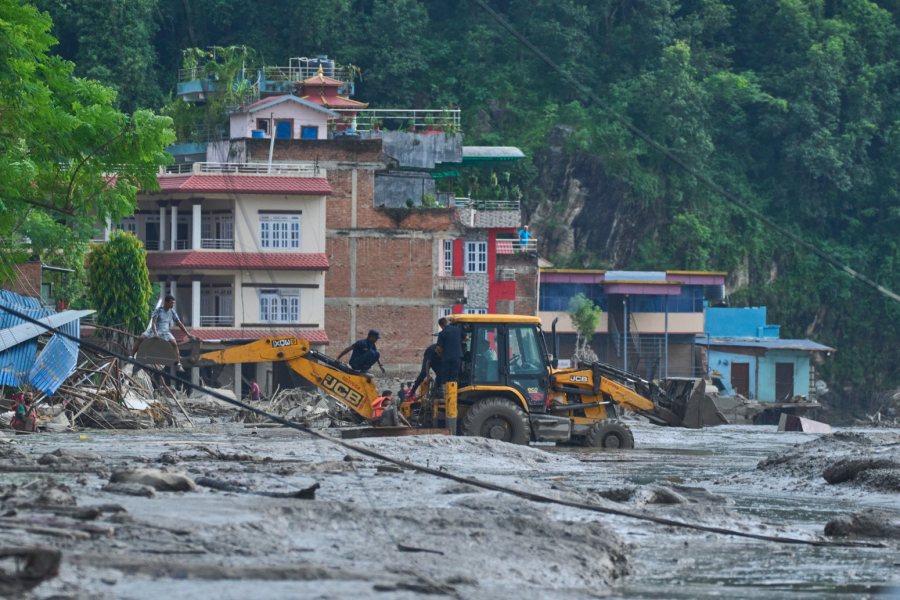
The landslide struck Gyirong Port in Tibet and Nepal, triggering flash floods that swept away entire roads and power facilities and inundated villages.
Video footage shows dozens of people being swept away by the water at the border.
Ice avalanche rushed down at 50 metres per second
Chinese government geologist Guo Zhaocheng said that the ice-avalanche debris flow that triggered the landslide travelled at around 50 metres per second, leaving people with little time to react. He added that the flow extended for more than 20 kilometres.
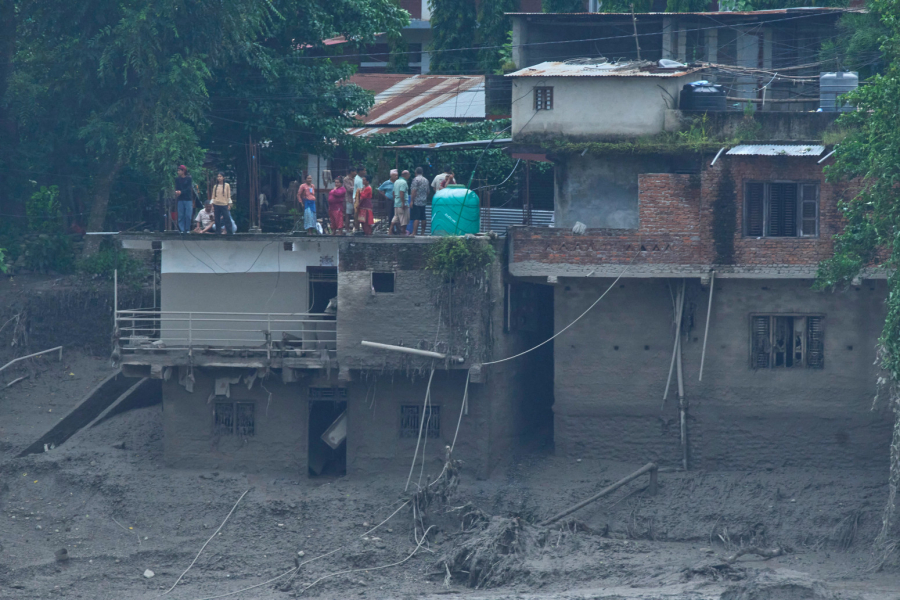
The floodwaters caused by the collapse rushed through valleys in Nepal and altered river channels more than 100 kilometres downstream, near the Indian border, after descending more than 4,500 metres in elevation from the Himalayas.
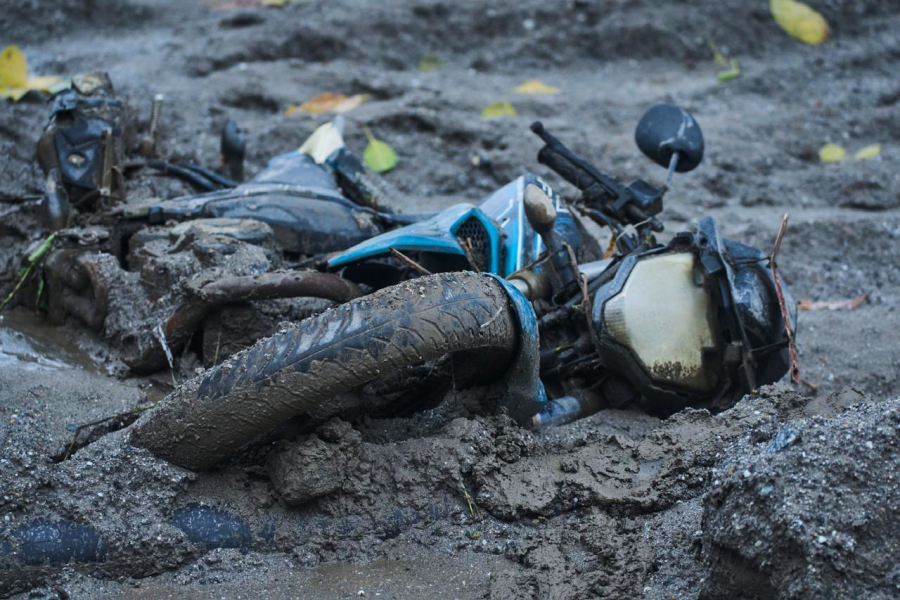
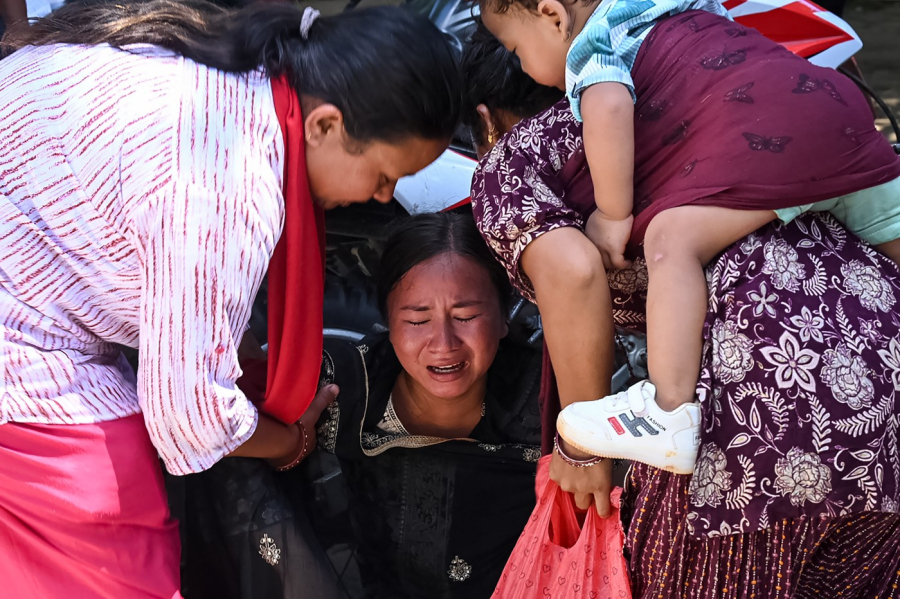
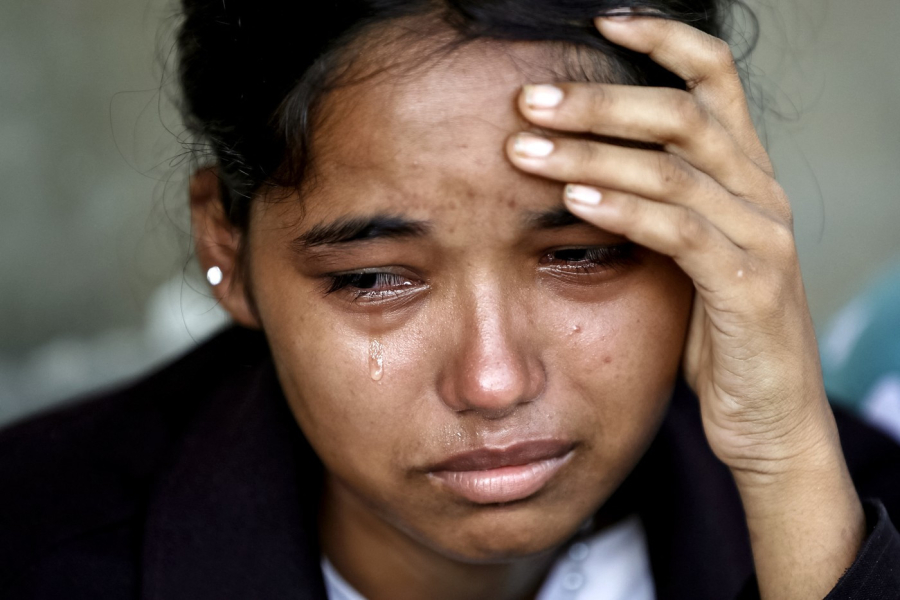
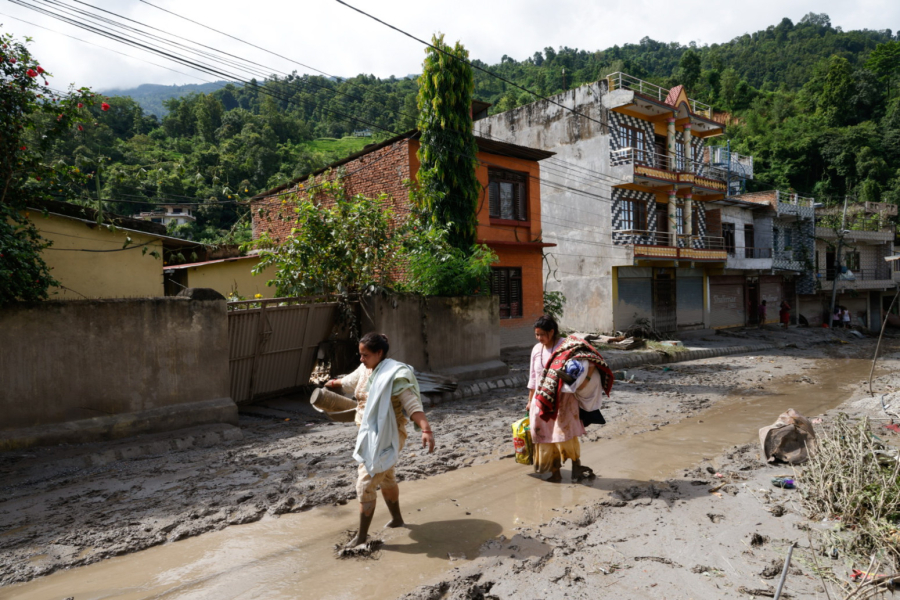
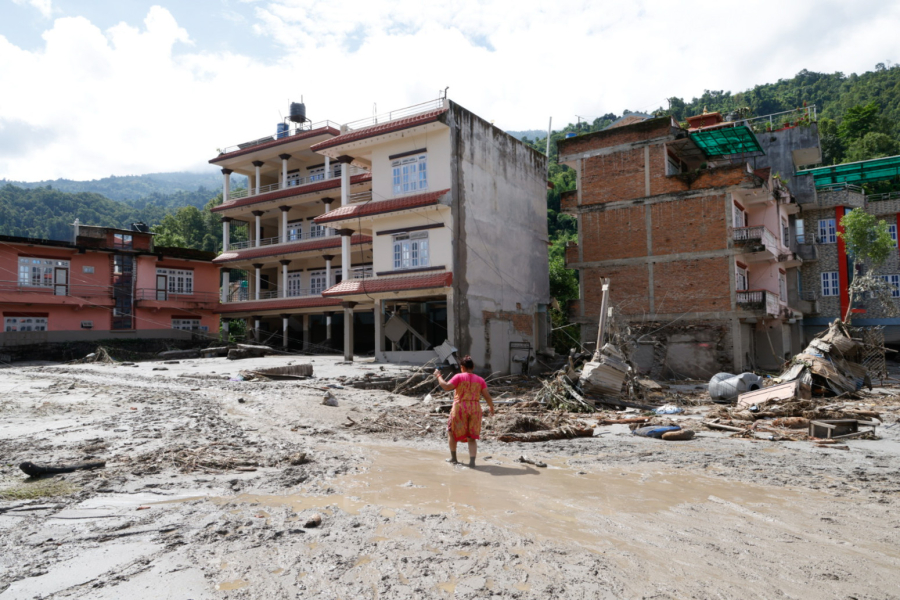
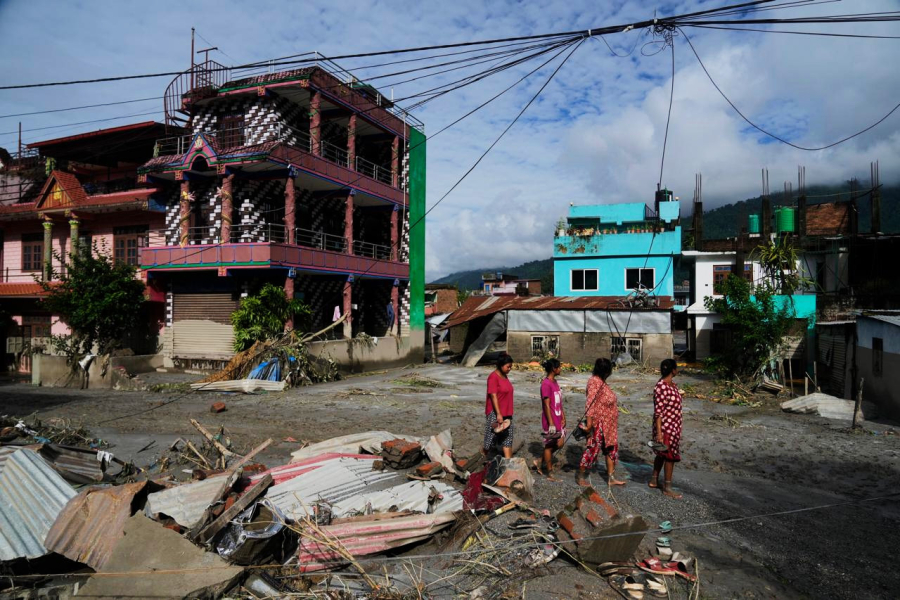
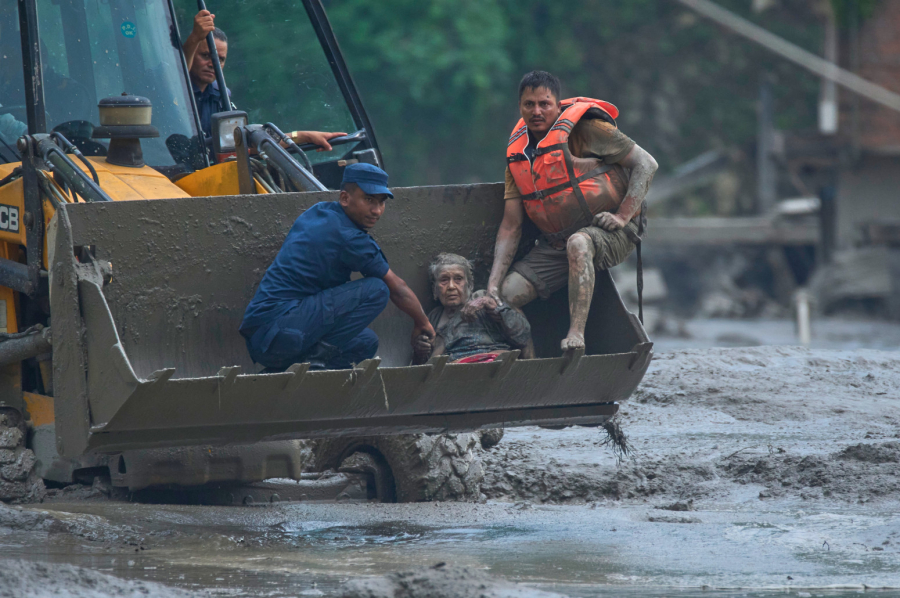
The Red Cross said that entire villages had been destroyed, while impassable roads and bridges had left communities cut off. It added that the full scale of the disaster remains unclear.
Tanjug/AP Photo/Niranjan Shrestha
Katastrofa u Nepalu
Tanjug/AP Photo/Niranjan Shrestha
Katastrofa u Nepalu
Prakash MATHEMA / AFP / Profimedia
Katastrofa u Nepalu
PRABIN RANABHAT / AFP / Profimedia
Katastrofa u Nepalu
PRABIN RANABHAT / AFP / Profimedia
Katastrofa u Nepalu
Credit: AA/ABACA / Abaca Press / Profimedia
Katastrofa u Nepalu
Tanjug/AP Photo/Niranjan Shrestha
Katastrofa u Nepalu
Tanjug/AP Photo/Niranjan Shrestha
Katastrofa u Nepalu
EPA/NARENDRA SHRESTHA
Katastrofa u Nepalu
ZUMA Press Wire / Shutterstock Editorial / Profimedia
Katastrofa u Nepalu
EPA/NARENDRA SHRESTHA
Katastrofa u Nepalu
EPA/NARENDRA SHRESTHA
Katastrofa u Nepalu
Tanjug/AP Photo/Niranjan Shrestha
Katastrofa u Nepalu
Tanjug/AP Photo/Niranjan Shrestha
Katastrofa u Nepalu
Tanjug/AP Photo/Niranjan Shrestha
Katastrofa u Nepalu
Tanjug/AP Photo/Niranjan Shrestha
Katastrofa u Nepalu
Tanjug/AP Photo/Niranjan Shrestha
Katastrofa u Nepalu
Prabin RANABHAT / AFP / Profimedia
Katastrofa u Nepalu
Tanjug/AP Photo/Niranjan Shrestha
Katastrofa u Nepalu
Tanjug/AP Photo/Niranjan Shrestha
Katastrofa u Nepalu
AP Photo/Niranjan Shrestha
Katastrofa u Nepalu
AP Photo/Niranjan Shrestha
Katastrofa u Nepalu
AP Photo/Niranjan Shrestha
Katastrofa u Nepalu
AP Photo/Niranjan Shrestha
Katastrofa u Nepalu
Tanjug/AP Photo/Niranjan Shrestha
Katastrofa u Nepalu
Sunil Sharma / Zuma Press / Profimedia
Katastrofa u Nepalu
ABACA / Shutterstock Editorial / Profimedia
Katastrofa u Nepalu
The International Centre for Integrated Mountain Development (ICIMOD) said on Wednesday that the flash flood generated a powerful surge of water, sediment and boulders through the Bhote Koshi and Trishuli river systems. It added that water levels in the river in the downstream Galchi area reportedly rose by as much as nine metres within 30 minutes.
“Climate change is creating conditions that can destabilize rock and ice in high mountains,” said Simon Cox, chief scientist of the Mountains to Sea programme at Earth Sciences New Zealand.
Although experts caution against describing climate change as the sole, immediate trigger of Wednesday’s collapse, they say that rising temperatures and melting glaciers likely played a role in the disaster.
Warming can reduce the support provided by ice on steep slopes, increase the amount of meltwater, and alter patterns of freezing, thawing and rainfall. These changes can weaken mountain slopes and make large collapses more likely in some areas, Cox added.
Nepal and China warned on Thursday of new flood risks in the Himalayas, as two lakes that had formed on either side of their border threatened to overflow in a region still reeling from this week’s catastrophic floods.

0 Komentari
Možda vas zanima

Rat – dan 1.867: Masakr u Kramatorsku – preko 30 mrtvih; Ukrajinci se osvetili Rusima FOTO/VIDEO
Rat u Ukrajini – 1.687. dan. U ruskom napadu na stajalište javnog prevoza i dva autobusa u Kramatorsku, u Donjeckoj oblasti, poginulo je 33 ljudi, dok je 18 povređeno, saopštilo je regionalno tužilaštvo Ukrajine. Ukrajinci su napali rafineriju nafte u Omsku.
23:55
8.10.2026.
22 h

Krah Đokovića na startu Šangaja
Novak Đoković poražen je od Huberta Hurkača sa 2-0 u setovima u 2. kolu Mastersa u Šangaju.
13:54
9.10.2026.
8 h

Rat – dan 1.686: Žestok ruski napad; Veliki broj mrtvih – među njima i deca; Vanredne mere u Kijevu FOTO/VIDEO
Rat u Ukrajini – 1.686. dan. U kombinovanim ruskim napadima na Ukrajinu danas je ubijeno 25 ljudi, a njih stotinu je ranjeno, izjavio je ukrajinski predsednik Volodimir Zelenski. 19 ljudi, od čega petoro dece, ubijeno je u raketnom napadu u Prilucima.
23:54
7.10.2026.
1 d

Real prekinuo Partizanov niz – Madrid i dalje neosvojiva tvrđava; Penjaroja srećan zbog jedne stvari
Košarkaši Partizana izgubili su od Reala u Madridu 86:76 u 4. kolu Evrolige.
23:25
8.10.2026.
22 h

Fenomenalna Zvezda – Dubai nemoćan!; Navaro: "Dobra odbrana"; Paskval ljut
Košarkaši Crvene zvezde savladali su Dubai sa 77:58 u četvrtom kolu Evrolige.
21:07
8.10.2026.
1 d












Komentari 0
Pogledaj komentare Pošalji komentar